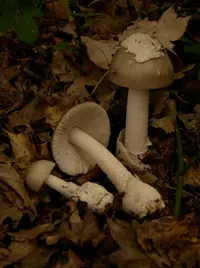
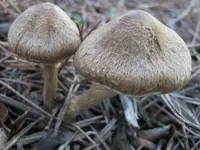
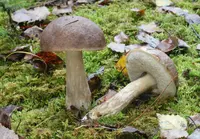
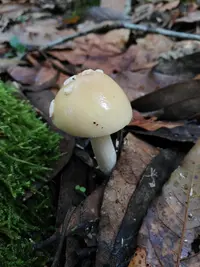
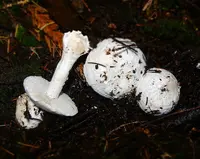
bitter poisonpie Care (Hebeloma sinapizans)

bitter poisonpie

About bitter poisonpie

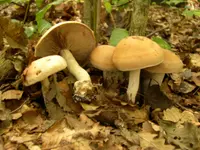
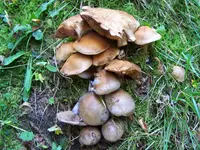
Bitter poisonpie, Hebeloma sinapizans, is a ground-dwelling mushroom rather than a leafy plant. It typically forms pale tan to brown caps with a slightly sticky surface and crowded, clay-colored gills. Caps are often broad and flat at maturity, with a stout, pale stem and a noticeable radish-like or mustard smell.

This fungus occurs in temperate regions, often in woodlands, parklands, and lawns, forming mycorrhizal associations, which means it partners with tree roots for nutrients. It is not a beginner-friendly species to cultivate, as it depends on specific tree partners and soil conditions. Those interested in how to care for bitter poisonpie should understand that it prefers moist, well-drained, undisturbed soil and is usually left to natural habitats rather than managed as a garden feature.

Main Plant Requirements

Care Difficulty

Hard Care

Light Preference

Partial Shade

Water Requirements

Keep Soil Moist

Temperature Preference

Cool Climate

Hardiness Zone

Unknown

Soil Texture

Loamy, Silty, Organic-rich

Soil pH

Acidic (5.5–6.5), Slightly acidic (6.5–7.0)

Soil Drainage

Moist but well-drained

Fertilization

Minimal (feed rarely)

Get Personalized Care Plan

Scan your plant to receive care tips personalized for your specific plant

Available on iOS and Android

How to Care for the bitter poisonpie

This woodland fungus prefers cool, filtered light rather than direct, intense sun exposure.

  • Provide bright dappled shade or light filtered through trees, with only 1–3 hours of gentle morning sun if exposed at the edge of woodland.
  • Avoid strong midday and afternoon sun, which can dry out the substrate and reduce fruiting of bitter poisonpie colonies.
  • Choose a site that gets shifting shade through the day; in summer, prioritize more shade, while in spring and autumn, brief soft sun is acceptable.

Moist but not waterlogged soil supports reliable fruiting for this woodland fungus.

  • Maintain evenly moist soil, allowing only the top 2–3 cm to begin drying between natural rains or supplemental watering in dry spells.
  • Use well-drained, humus-rich ground; puddling, sour smell, or standing water around mycelium indicates harmful overwatering and poor aeration.
  • Watch caps and surrounding soil as indicators; small, dry, cracked fruiting bodies and dusty soil surface suggest the need for gradual re-moistening.

This species fruits best in cool to mild conditions typical of temperate woodlands.

  • Optimal fruiting usually occurs around 50–65°F (10–18°C), often in autumn when soil stays cool and moist.
  • Mycelium in the soil tolerates down to about 28–32°F (-2–0°C) briefly, but repeated hard freezes can damage developing fruiting bodies.
  • Sustained heat above 77°F (25°C) with dry soil suppresses Hebeloma sinapizans; provide shade and consistent moisture during warm spells to protect the habitat.

Humidity is not a major factor for Hebeloma sinapizans, which grows outdoors in typical temperate conditions.

Hebeloma sinapizans develops best in moist, loose, organic-rich woodland soil.

  • Aim for a loamy, humus-rich substrate that stays evenly moist but is never waterlogged.
  • Ensure free drainage by incorporating coarse sand or fine gravel to prevent anaerobic, stagnant pockets.
  • Target a slightly acidic to neutral pH around 5.5–7.0, typical of many forest and lawn soils.
  • Avoid compacted, heavily tilled, or chemically treated ground, which can disrupt the fungal mycelium and host plant roots.

This species is generally not suitable for typical container growing, as it relies on complex soil and root associations in the ground.

This woodland fungus generally relies on natural soil nutrients and usually does not need extra feeding in gardens or managed landscapes.

Pruning is not a standard practice for Hebeloma sinapizans, as individual fruiting bodies are short-lived and do not respond like ornamental plants.

This species is rarely grown in containers; management focuses on transplanting or adjusting habitat rather than classic repotting.

  • Transplant only during cool, moist periods in spring or fall to reduce stress on associated tree roots and fungal mycelium.
  • Move colonized soil gently, keeping as much original root–soil structure intact as possible to maintain the fungus–tree relationship.
  • Avoid frequent disturbance; once established in a suitable site, relocation should be rare and carefully planned.
  • After transplanting, maintain even soil moisture and avoid heavy fertilizer or fungicide use that could disrupt the mycelial network.

Propagation of Hebeloma sinapizans is specialized and usually left to natural spore dispersal rather than garden techniques.

This hardy woodland fungus overwinters naturally in soil and mycelium and usually needs no special winter care in temperate climates.

Care Tips

Spore hygiene

Remove and discard old caps before they collapse and release large amounts of spores to reduce mess, limit inhalation risk in enclosed spaces, and slow uncontrolled self-seeding in the bed.

Substrate renewal

Top-dress the colonized area each year with a thin layer of fresh leaf litter or well-rotted wood chips to maintain the decomposing organic layer that this fungus uses as a food source.

Moisture zoning

Create a slightly raised, free-draining mound for the host trees or shrubs and a gently sloping, more moisture-retentive edge around it so the mycelium can access both air and consistent moisture without waterlogging.

Tool and glove cleaning

Clean and rinse tools, gloves, and collection containers after handling fruiting bodies to avoid unintentionally spreading this toxic species into edible-mushroom beds or vegetable areas.

Clear identification zone

Mark and label the area where fruiting occurs and keep it visually distinct from edible mushroom patches so anyone caring for bitter poisonpie can quickly recognize and avoid accidental harvest for consumption.

Common Pests and Diseases

Fungal mycoparasites

This disease results from other fungi parasitizing the fruiting bodies, causing deformed caps, patchy discoloration, or abnormal surface growths. Symptoms include reduced spore production and premature collapse of mushrooms.

Solution

Remove and discard affected fruiting bodies at the first sign of distortion to reduce local spore spread, and avoid heavily disturbing the surrounding soil. Maintain moderate, not excessive, moisture and good air movement at the fruiting site to limit favorable conditions for aggressive mycoparasitic fungi.

Slugs and snails

These pests feed on the soft tissue of the caps and stems, leaving irregular holes, slime trails, and partially eaten mushrooms. This damage can quickly destroy young fruiting bodies and reduce spore production.

Solution

Hand-pick slugs and snails in the evening or early morning and relocate them away from fruiting areas, and use physical barriers such as copper tape or sharp grit around key patches. Avoid leaving boards, dense mulch, or debris that create cool, moist hiding places immediately next to the mushrooms.

Springtails

These insects live in moist soil and leaf litter and can consume young fungal tissue or gills, especially on very small or decaying fruiting bodies. This pest is usually secondary but can contribute to pitting and surface damage under constantly wet conditions.

Solution

Reduce constant surface wetness by allowing the upper soil or litter layer to dry slightly between waterings in managed beds, and improve drainage where water pools. If populations are high in contained settings, gently remove heavily infested fruiting bodies and replace overly wet substrate with fresh, better-aerated material.

Mite infestations

These insects include various micro-mites that graze on fungal tissue, sometimes creating fine pitting, rough surfaces, or dusty, moving patches on caps and stems. Symptoms include gradual thinning of tissue and uneven cap margins rather than large bite marks.

Solution

Physically remove heavily damaged mushrooms and reduce excess organic waste or rotting material that supports large mite populations. In controlled cultivation, screen vents, keep the area clean, and adjust humidity to a slightly drier, well-ventilated range while still maintaining the moisture level needed for growing bitter poisonpie.

Interesting Facts

Notorious bitter taste

This mushroom is strongly bitter and considered inedible, and the unpleasant taste can persist even after thorough cooking, which helps distinguish it from some edible lookalikes.

Sinapic odor chemicals

The flesh often smells mustard-like when crushed, a trait linked to sinapic acid derivatives that also inspired the species name sinapizans, meaning mustard-smelling.

Frequent urban associate

It commonly fruits in parks, gardens, and roadside plantings in Europe and North America, forming ectomycorrhizal associations with planted broadleaf trees such as beech, oak, and birch.

Botan icon

Did you know?

Molecular and microscopic studies have shown that this species, long confused with several other bitter Hebeloma, plays a key role as a reference taxon for sorting out a complex of similar mustard-smelling species in the genus.

FAQs about bitter poisonpie

This mushroom is considered poisonous and should never be eaten. It can cause strong gastrointestinal upset such as nausea, vomiting, and diarrhea. Identification mistakes with similar edible species are common, so it is safest to avoid consumption entirely.

Grow Healthy Plants with Botan Care

Keep your plants happy and healthy with plant identification, disease detection, and easy care guidance.

Botan plant care app — identify plants on mobile

Explore More Plants