Hebeloma victoriense Care

Hebeloma victoriense

About Hebeloma victoriense

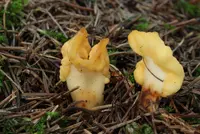
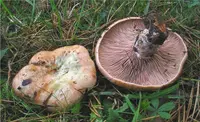
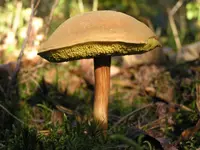
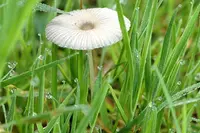
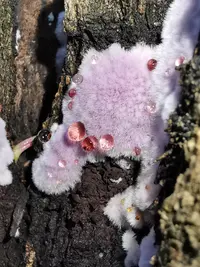
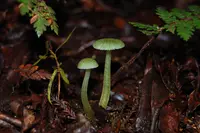
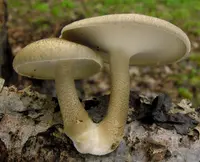
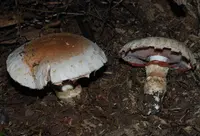
Hebeloma victoriense is a species of mushroom-forming fungus, not a typical foliage houseplant. It produces small to medium, pale brown caps with gills beneath and a slender stem, usually appearing in clusters on soil. This species is associated with trees, forming mycorrhizal relationships, where fungus and roots exchange nutrients.

It is naturally found in forested areas, especially in cooler, moist environments. Due to its specialized habitat and uncertain edibility, it is not recommended for home cultivation, and guides on how to care for Hebeloma victoriense are limited.

In nature, it favors undisturbed, humus-rich soil with consistent moisture and dappled light under tree canopies.

Main Plant Requirements

Care Difficulty

Moderate Care

Light Preference

Partial Shade

Water Requirements

Moderate Water

Temperature Preference

Warm Climate

Hardiness Zone

Unknown

Soil Texture

Loamy, Sandy, Organic-rich

Soil pH

Acidic (5.5–6.5)

Soil Drainage

Moist but well-drained

Fertilization

Minimal (feed rarely)

Get Personalized Care Plan

Scan your plant to receive care tips personalized for your specific plant

Available on iOS and Android

How to Care for the Hebeloma victoriense

This fungus prefers cool, moist, low-light woodland conditions rather than direct sun exposure.

  • Provide dappled or filtered light under shrubs or trees, mimicking forest shade with no more than 1–2 hours of weak morning sun per day.
  • Avoid direct midday or afternoon sun, which can overheat the substrate, dry out organic matter, and inhibit fruiting body formation.
  • In summer, maintain deeper shade and higher humidity; in autumn, slightly more open canopy light can support spore production for Hebeloma victoriense.

Moist, well-drained, organically rich soil is essential for supporting this woodland fungus.

  • Aim to keep the top 2–5 cm of soil or leaf litter consistently moist but not saturated, using rainfall as the main source and supplementing only during extended dry spells.
  • Encourage drainage with loose, humus-rich soil; standing water or waterlogged patches often lead to root-zone anaerobic conditions and decay of fungal mycelium.
  • In warm months, monitor for drying, shrinking, or cracking substrate as a sign to irrigate lightly, while overly slimy, sour-smelling soil suggests excess moisture for Hebeloma victoriense.

This species is adapted to cool to mild woodland climates with distinct seasonal shifts.

  • Optimal activity usually occurs around 50–65°F (10–18°C), often in autumn when soils are cool and consistently moist.
  • The fungus tolerates brief drops near 32°F (0°C) at the soil surface but sustained hard freezes can slow or pause mycelial growth until conditions improve.
  • Prolonged heat above 77–82°F (25–28°C), especially with dry soil, tends to suppress fruiting; partial shade and mulch help buffer temperature swings.

Humidity plays only a minor role for Hebeloma victoriense, which is adapted to outdoor conditions.

This ectomycorrhizal fungus relies on suitable outdoor ground conditions rather than potting mixes.

  • Favor a loose, humus-rich, slightly sandy loam that mimics forest soil and allows air movement around fine fungal structures.
  • Ensure rapid drainage so the upper soil layer does not remain waterlogged, which can disrupt fungal respiration and host tree root health.
  • Aim for slightly acidic to neutral conditions around pH 5.5–7.0, commonly found in many temperate woodland and lawn soils.
  • In compacted or heavy clay ground, incorporate leaf mold and coarse sand into the top 10–15 cm to improve porosity and drainage.

This species is not suitable for typical container growing because it depends on forming symbiotic associations with tree roots in open ground.

This ectomycorrhizal fungus relies mainly on its tree partners and usually needs no additional fertilization.

Hebeloma victoriense does not need intentional pruning, as individual fruiting bodies are short-lived and replaced naturally.

Transplanting focuses on preserving the fungus’s symbiosis with its host tree rather than moving the fungus alone.

  • Transplant only young host trees already associated with the fungus, rather than attempting to move the mushroom directly.
  • Schedule moves during cool, moist seasons, such as early spring or fall, to limit stress on roots and mycelium.
  • Keep as much native soil as possible around the root ball to preserve fungal threads and microbial communities.
  • Water gently but thoroughly after transplanting and maintain even soil moisture until new root growth is established.

Propagation of this ectomycorrhizal mushroom is specialized and rarely attempted by home growers.

In climates where its host trees are hardy, this fungus generally needs no special winter care.

Care Tips

Host tree pairing

Establish the fungus with suitable ectomycorrhizal host trees such as eucalypts or related species, and avoid planting it in isolated beds without compatible woody roots, since the mycelium depends on a living tree partner to persist.

Minimize soil disturbance

Mark and protect colonized zones from digging, raking, and heavy foot traffic so the mycelial network in the upper 5–15 cm of soil is not repeatedly broken, which can sharply reduce fruiting over time.

Use coarse mulch

Apply a thin layer of coarse woodchip or leaf litter over the root zone of the host trees rather than fine compost, as this maintains moisture and mimics natural forest duff without smothering the mycelium.

Irrigation scheduling

If supplemental watering is needed, irrigate deeply but infrequently around the host trees, and then allow the soil surface to dry slightly, which encourages a stable, aerated environment that supports the fungal–root association.

Avoid fungicidal products

Do not use fungicidal drenches, sulfur dusts, or systemic fungicides in areas where you aim at growing Hebeloma victoriense, since these products can damage the beneficial mycelium as effectively as they control pathogens.

Common Pests and Diseases

Nematode infestation

This pest lives in the soil and can colonize the mycelium and surrounding roots, reducing vigor and fruiting of the fungus. Symptoms include sparse, misshapen caps and weak, patchy mycelial growth in cultivation trays or beds.

Solution

Use clean, pasteurized or properly sterilized substrate and tools, and avoid reusing contaminated casing or soil. If nematodes are suspected, discard affected substrate, disinfect containers and benches, and restart with fresh, pathogen-free material, as chemical nematicides are not practical for small-scale growing Hebeloma victoriense.

Trichoderma green mold

This disease is caused by competitive Trichoderma fungi that rapidly colonize the same substrate and overrun Hebeloma mycelium. Symptoms include fast‑spreading white mycelium that turns bright green as spores develop on the surface of beds or containers.

Solution

Remove and discard all visibly contaminated substrate along with a margin of apparently healthy material, as spores spread easily. Improve hygiene by thoroughly cleaning equipment, reducing excess moisture, and maintaining good air exchange so the substrate surface does not stay constantly wet, which favors Trichoderma over Hebeloma victoriense care.

Sciarid fungus gnats

These insects lay eggs in moist organic substrates, and their larvae feed on fine mycelium and developing primordia, lowering yield and causing malformed fruiting bodies. Adults are small dark flies often seen resting on surfaces near the growing area.

Solution

Reduce excess moisture, avoid standing water, and keep the growing area clean of decaying organic debris. Use fine mesh screens, yellow sticky traps for adults, and, if needed, biological controls such as Bacillus thuringiensis israelensis (Bti) in the substrate to target larvae without harming the fungus.

Mite contamination

This pest consists of tiny arthropods that can feed on spores, mycelium, or decaying organic matter, leading to poor colonization and patchy fruiting. Symptoms include slow substrate colonization, uneven stands of mushrooms, and visible specks moving on the surface under close inspection.

Solution

Start with clean substrate and containers, and avoid bringing in contaminated compost or soil. If mites appear, discard heavily infested material, lower organic debris in the grow space, and consider introducing predatory mites specifically sourced for mushroom production to reduce pest populations biologically.

Interesting Facts

Australian type locality

This species was first described from Victoria, Australia, and its scientific name refers to this origin, making it one of the Hebeloma taxa tied specifically to the Australian mycobiota.

Ectomycorrhizal associate

It forms ectomycorrhizal partnerships with the roots of certain trees, exchanging mineral nutrients such as nitrogen and phosphorus for plant-derived carbohydrates, and thereby contributing to forest nutrient cycling.

Taxonomically recent description

Hebeloma victoriense was described comparatively recently in the mycological literature, reflecting ongoing taxonomic work to resolve morphologically similar Hebeloma species using both microscopic characters and DNA sequence data.

FAQs about Hebeloma victoriense

This species is not recommended for consumption. Many Hebeloma fungi contain gastrointestinal irritants that cause nausea, vomiting, and diarrhea. Identification is difficult, so for safety it should be treated as inedible and left unharvested.

Grow Healthy Plants with Botan Care

Keep your plants happy and healthy with plant identification, disease detection, and easy care guidance.

Botan plant care app — identify plants on mobile

Explore More Plants