Fringed polypore Care (Lentinus substrictus)

Fringed polypore

About Fringed polypore

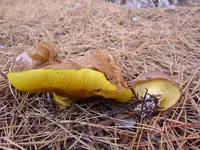
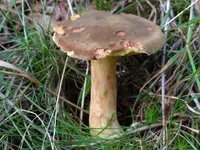
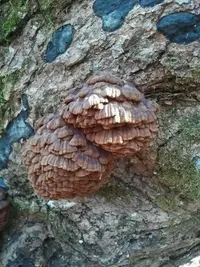
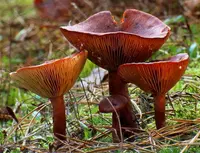
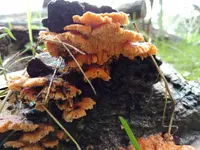
Fringed polypore, Lentinus substrictus, is a wood-decaying fungus rather than a leafy plant. It forms thin, bracket-like caps with fringed, irregular edges and a tough, leathery texture. The caps often appear in overlapping tiers on dead or dying hardwood.

This species occurs in warm, humid regions, especially in tropical and subtropical forests, where it plays an important role in breaking down wood. It is not commonly grown at home, since it needs decaying wood, stable moisture, and suitable fungi-friendly conditions. For anyone exploring how to care for Fringed polypore, it is generally best treated as a specialized cultivation project rather than a typical houseplant.

Main Plant Requirements

Care Difficulty

Moderate Care

Light Preference

Partial Shade

Water Requirements

Keep Soil Moist

Temperature Preference

Warm Climate

Hardiness Zone

Unknown

Soil Texture

Organic-rich, Loamy

Soil pH

Acidic (5.5–6.5)

Soil Drainage

Moist but well-drained

Fertilization

Minimal (feed rarely)

Get Personalized Care Plan

Scan your plant to receive care tips personalized for your specific plant

Available on iOS and Android

How to Care for the Fringed polypore

Lentinus substrictus, often found on dead hardwood, thrives in shaded forest light rather than direct open sun.

  • Aim for dappled or filtered light similar to a woodland edge, with no more than 1–2 hours of weak morning sun and full protection from strong midday and afternoon sun.
  • Choose a site under trees or on the shaded side of logs, where light stays bright but indirect for 4–6 hours, which suits Fringed polypore development.
  • In summer, increase shade or leaf litter cover if caps bleach or crack, while in darker seasons choose slightly more open canopy so fruiting wood still receives soft, indirect light.

Lentinus substrictus develops best on consistently moist, but not waterlogged, woody material.

  • Keep host logs or hardwood pieces evenly damp, allowing the surface to just start drying before rewetting, rather than following a fixed schedule.
  • Provide excellent drainage around the substrate so excess water runs off; standing water around wood encourages rot bacteria and can limit mushroom formation.
  • In warm, windy, or low-humidity periods, monitor by touch and re-moisten when outer 2–3 cm of wood feel dry, while backing off if you notice sour odors or slimy patches.

This saprophytic fungus fruits best in mild conditions and struggles with temperature extremes.

  • Aim for 60–77°F (16–25°C) as the main growth range, which supports steady mycelium activity and reliable fruiting on hardwood.
  • Protect colonized wood from frost below 32°F (0°C); prolonged freezing can kill young tissue, so provide insulation with leaves or move logs to a frost-sheltered spot.
  • Limit exposure to hot, dry conditions above 86°F (30°C); in heat waves, increase shade and humidity around the substrate to prevent desiccation and stalled growth.

This wood-decay fungus develops best in consistently moist, humid air rather than dry conditions.

  • Aim for 70–90% humidity when fruiting, as drier air slows or distorts cap development.
  • Tolerates brief drops to 50–60%, but prolonged low humidity causes cracked, tough, and misshapen brackets.
  • Raise humidity by misting the fruiting area, using a humidity tent or tub, and limiting direct airflow from fans or vents.

Lentinus substrictus fruits on decaying woody material rather than mineral soil, but a supportive substrate mix is still important.

  • Use a coarse, organic-rich substrate such as hardwood sawdust or chips blended with 10–30% wheat bran or other supplement.
  • Ensure the mix drains freely yet holds moisture; particles should not compact into a sludge when squeezed.
  • Keep pH near 5.5–7.0, avoiding strongly alkaline additives like large amounts of limestone or wood ash.
  • Improve aeration by including some larger wood chips or shredded bark so mycelium can colonize without becoming waterlogged.

This species can be grown in containers such as bags or buckets designed for mushroom cultivation.

  • Use food-grade plastic bags or buckets with side holes that allow horizontal fruiting while keeping the substrate contained.
  • Choose a container volume that matches colonization speed so the substrate does not sour before the mycelium fully establishes.
  • Drill or cut small gas-exchange openings and cover with filter patch or breathable tape to balance fresh air and contamination control.

This wood-decaying fungus grows on nutrient-rich logs and typically does not benefit from added fertilizer in gardens or containers.

Pruning is not relevant for Lentinus substrictus because it is a bracket fungus that naturally fruits, ages, and decomposes without structural management.

Transplanting focuses on moving colonized wood rather than handling the fungus as a conventional potted plant.

  • Shift only when the log or stump is fully colonized and fruiting declines, indicating the substrate is becoming exhausted.
  • Plan moves during mild, stable weather to limit desiccation and heat stress on the fungal mycelium.
  • Cut or move intact sections of colonized wood, disturbing the white mycelial network as little as possible.
  • After moving, keep the wood shaded and evenly moist to reduce shock and support renewed fruiting.

Propagation of Lentinus substrictus is possible but usually handled by specialist growers using sterile techniques rather than casual home methods.

  • Use spore collection or tissue culture on sterile agar to obtain clean mycelium for new cultures.
  • Inoculate fresh, clean hardwood blocks or logs with spawn, keeping them at 65–75°F in high humidity.
  • Maintain shaded conditions and steady moisture so mycelium can fully colonize the wood before outdoor exposure.

Outdoor colonies on wood are generally cold hardy and need little specific winter care in most temperate regions.

  • In very cold sites, a light mulch of leaves over colonized buried wood can buffer temperature swings.
  • Avoid moving or cutting colonized logs in midwinter to reduce mechanical damage to dormant mycelium.
  • Container-grown culture blocks, if any, can be overwintered in an unheated but frost-free shed or garage.

Care Tips

Use clean substrate

Prepare hardwood-based substrates such as sawdust or small chips by pressure-sterilizing or thoroughly pasteurizing to reduce competing fungi and bacteria before inoculation.

Layered inoculation

When filling bags or containers, alternate thin layers of substrate and spawn to create multiple colonization points and speed up even mycelium spread.

Controlled ventilation

During fruiting, provide gentle, regular air exchange with a small fan or passive vents to remove CO₂ buildup while avoiding strong drafts that dry the developing brackets.

Targeted surface misting

Mist the air and the immediate surface around the developing brackets rather than soaking the substrate directly, which helps maintain a moist microclimate without encouraging contamination.

Timed harvest stage

Harvest brackets when margins are still pale and flexible, just before the pores darken and toughen, which maintains better texture and encourages subsequent flushes when caring for Fringed polypore.

Common Pests and Diseases

Competing wood-decay fungi

This disease pressure comes from other saprotrophic fungi colonizing the same log or stump, which can suppress or displace Lentinus substrictus. Symptoms include patchy or stalled mycelial growth and fruiting bodies of different fungi emerging from the substrate.

Solution

Remove and discard sections of wood that are heavily colonized by other fungi and, if possible, re‑inoculate fresh, clean hardwood with Lentinus substrictus spawn. Maintain good moisture and shade but ensure strong airflow around the log or block so this species can outcompete contaminants, and avoid using wood that already shows active fungal fruiting.

Green Trichoderma mold

This disease is caused by Trichoderma species that overgrow the mycelium and fruiting sites, forming dense, bright green patches on the substrate. This mold competes aggressively for nutrients and can completely halt fruiting.

Solution

Cut out and discard infected substrate sections promptly and reduce excess moisture or standing water around the culture. Improve ventilation, avoid over-misting, and start new cultures on properly pasteurized or sterilized hardwood-based substrate to limit Trichoderma introduction, following careful hygiene as part of Lentinus substrictus care instructions.

Fungus gnat larvae

This pest targets moist substrates, where larvae feed on mycelium and young fruiting bodies, causing poor or deformed mushrooms and soft, tunneled tissue. Adults are small flies often visible around fruiting areas.

Solution

Reduce overly wet conditions and remove heavily damaged fruits. Use fine mesh or physical barriers to limit adult access, apply yellow sticky traps for adults, and, where allowed, drench substrate edges with a biological control such as Bacillus thuringiensis var. israelensis following label directions to target larvae.

Mite infestations

These insects (technically arachnids) feed on fungal tissue, leading to pitted, scarred, or distorted fruiting bodies and reduced yield. Symptoms include very small moving dots on caps, gills, or substrate, sometimes visible as pale or dusty patches.

Solution

Discard heavily infested fruits and clean the growing area thoroughly, removing old substrate and debris that harbor mites. Improve airflow, avoid overcrowding cultures, and, if needed, use horticultural-grade predatory mites or carefully applied miticidal soaps around but not directly on developing mushrooms, always testing on a small area first.

Interesting Facts

Distinct fringed cap

The fruiting body forms a tough, leathery cap with conspicuously fringed or toothed margins, a key feature used by mycologists to distinguish it from similar polypores and agarics in the field.

Pores that turn gills-like

Although classified as a polypore, it has elongated, maze-like pores on the underside of the cap that can look somewhat like thick, shallow gills, illustrating its intermediate morphology within the polypore group.

Wood-decaying specialist

This fungus grows on dead or decaying wood, especially hardwoods, contributing to lignin and cellulose breakdown and helping recycle nutrients in forest ecosystems.

Botan icon

Did you know?

Some collections of Lentinus substrictus have been documented fruiting repeatedly on the same piece of dead wood over multiple seasons, showing how durable and long-lived its underlying mycelial network can be in stable forest conditions.

FAQs about Fringed polypore

This bracket fungus is considered inedible because the flesh is very tough and corky, even when young. It is not used as a culinary mushroom and is mainly of ecological and occasional medicinal interest rather than a food source.

Grow Healthy Plants with Botan Care

Keep your plants happy and healthy with plant identification, disease detection, and easy care guidance.

Botan plant care app — identify plants on mobile

Explore More Plants