Xerocomus ferrugineus Care

Xerocomus ferrugineus

About Xerocomus ferrugineus

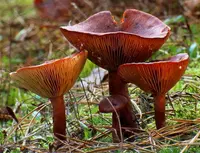
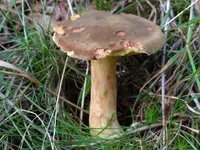
Xerocomus ferrugineus, often called the bay bolete relative or rusty bolete, is a small to medium mushroom-forming fungus, not a typical houseplant. It produces soft, brown to rusty caps with a sponge-like pore surface underneath, and a sturdy, pale to brownish stem. This species usually grows on soil in coniferous or mixed forests, often in mossy or acidic sites across temperate regions of Europe and parts of North America.

It forms mycorrhizal partnerships with tree roots, which means it relies on living trees and cannot be grown in a normal pot. Because of this close forest dependence, attempts to care for Xerocomus ferrugineus at home are rarely successful, even with careful control of moisture, shade, and soil type.

Main Plant Requirements

Care Difficulty

Moderate Care

Light Preference

Partial Shade

Water Requirements

Regular Water

Temperature Preference

Cool Climate

Hardiness Zone

Unknown

Soil Texture

Loamy, Silty, Organic-rich

Soil pH

Acidic (5.5–6.5), Slightly acidic (6.5–7.0)

Soil Drainage

Moist but well-drained

Fertilization

Minimal (feed rarely)

Get Personalized Care Plan

Scan your plant to receive care tips personalized for your specific plant

Available on iOS and Android

How to Care for the Xerocomus ferrugineus

This woodland bolete prefers dappled, forest-like light rather than open, direct sun.

  • Aim for bright, filtered light under trees, with 2–4 hours of soft morning sun and shade or broken light the rest of the day.
  • Avoid strong midday and afternoon sun, which can overheat the soil surface and dry the mycelium, reducing fruiting of Xerocomus ferrugineus.
  • In summer, provide more shade if caps show cracking or bleaching; in spring and autumn, slightly more open canopy improves mushroom formation.

Moist but not waterlogged soil supports healthy mycelium and reliable fruiting.

  • Check the top 3–5 cm of soil or forest duff; if it feels dry and loose, gentle irrigation or natural rainfall is beneficial.
  • Ensure soil drains freely; standing water or foul smell indicates overwatering and risks root-zone rot, which suppresses mushrooms.
  • During hot, dry periods, increase moisture with light, infrequent soakings, while in cool or rainy seasons rely mainly on natural precipitation and avoid adding extra water.

This species fruits best in mild, temperate conditions without extreme heat or hard frost.

  • Optimal fruiting typically occurs around 55–70°F (13–21°C), with stable, cool nights encouraging steady development.
  • Growth slows below about 40°F (4°C), and repeated hard frosts can damage fruiting bodies, though underground mycelium often survives winter.
  • Sustained heat above 80–85°F (27–29°C) combined with dry soil reduces fruiting; partial shade, mulch, and consistent moisture help buffer temperature swings.

Humidity is not a meaningful care factor for Xerocomus ferrugineus, which grows naturally in outdoor forest conditions.

This ectomycorrhizal mushroom relies on natural forest soils rather than prepared mixes, but certain soil conditions favor reliable fruiting.

  • Aim for a loose, sandy to sandy-loam texture with ample leaf litter or conifer needles to maintain organic structure and porosity.
  • Ensure very fast drainage; choose sites where water does not pool after rain and avoid compacted or heavily amended garden beds.
  • Slightly acidic soil around pH 4.5–6.0 is typical; avoid limed or strongly alkaline sites where compatible tree partners are less effective.
  • Promote aeration by leaving fine roots, old litter, and small wood debris undisturbed instead of digging or tilling the soil surface.

This species is not suitable for container growing because it depends on complex mycorrhizal relationships with trees in undisturbed soil.

This ectomycorrhizal fungus normally gains nutrients through its tree partners, so additional fertilizer is not required for Xerocomus ferrugineus in natural or semi-natural settings.

As a wild ectomycorrhizal mushroom forming seasonal fruiting bodies, Xerocomus ferrugineus does not require pruning in the horticultural sense.

This species fruits from underground mycelium associated with host tree roots, so it is not suited to normal pot culture or frequent transplanting.

  • Avoid disturbing soil where the fungus is established; digging, tilling, or moving host trees can reduce or stop fruiting.
  • If moving a young host tree, transplant in cool, moist weather and keep as much original root-ball soil as possible to preserve mycelium.
  • Water transplanted trees consistently after moving so the root zone stays evenly moist, supporting recovery of the mycorrhizal network.
  • Expect slow re-establishment; fruiting of Xerocomus ferrugineus may pause for several seasons after major soil or root disturbance.

Reproducing Xerocomus ferrugineus under controlled conditions is specialized work and not a routine home propagation task.

This temperate ectomycorrhizal mushroom is naturally cold hardy and needs no special winter care in the ground within its normal climate range.

Care Tips

Host tree matching

Establish this mycorrhizal fungus near compatible hosts such as pine, spruce, or birch, since fruiting is far more reliable when the mycelium can associate with the correct tree roots in low-competition sites like the edge of a woodland or a lightly managed grove.

Stable leaf litter

Maintain a thin, consistent layer of leaf litter over the inoculated area to protect mycelium from moisture loss and temperature swings, but avoid piling it too thickly, which can reduce oxygen in the upper soil where fruiting bodies form.

Gentle harvesting

Cut mushrooms at the base with a clean knife rather than pulling them out, and leave the basal tissue and surrounding soil undisturbed to protect the underlying mycelial network and improve the chances of future flushes.

Minimal soil disturbance

Avoid digging, tilling, or heavy foot traffic where the fungus is established, and if path access is needed, lay stepping stones so the main colonized zones of soil remain structurally intact.

Moisture buffering

In dry spells, use a fine-rose watering can or low-pressure sprinkler to moisten the area in the evening and allow the upper 2–5 cm of soil to rehydrate gradually, which supports mycelial activity important for growing Xerocomus ferrugineus.

Common Pests and Diseases

Mycoparasitic molds

This disease appears when other fungi or molds colonize and consume the fruiting body, causing white, gray, or fuzzy overgrowth and rapid decay. Symptoms include deformation, softening, and discolored patches on the cap and stem.

Solution

Remove and discard affected fruiting bodies to limit spread, and avoid handling or transporting visibly moldy specimens near healthy ones. For those studying or cultivating boletes outdoors, reduce dense organic litter and maintain better air flow around fruiting sites to lower prolonged surface moisture that favors these molds.

Slug and snail damage

These pests feed on the soft cap and pores, leaving irregular holes, slime trails, and sometimes hollowed-out fruiting bodies. Symptoms include missing tissue along cap edges and moist, chewed areas that quickly discolor.

Solution

Hand-pick slugs and snails during damp evenings, and use physical barriers such as copper tape or rough mulch around known fruiting zones. If protection of study or collection sites is important, deploy iron phosphate slug baits placed away from non-target wildlife and follow label directions carefully.

Fungal larval infestation

This pest problem is caused by fly larvae (maggots) that burrow into the cap and stem, creating tunnels and internal browning. Symptoms include spongy texture, small entry holes, and rapid breakdown of the mushroom tissue from the inside.

Solution

Harvest fruiting bodies promptly when they first appear and avoid collecting specimens that already show small holes or soft spots. In areas where growing Xerocomus ferrugineus is being monitored, remove and dispose of heavily infested mushrooms so fewer adult flies emerge to reinfest new fruiting bodies.

Bacterial soft rot

This disease develops in very wet or warm conditions, leading to water-soaked, slimy, and foul-smelling fruiting bodies. Symptoms include rapid collapse of the cap, sticky surfaces, and dark, mushy tissue.

Solution

Do not handle or transport rotting mushrooms, and remove them from paths or monitoring plots to reduce bacterial spread by contact and insects. In managed outdoor sites, limit excessive trampling and standing water around fruiting areas, which can damage tissue and create ideal conditions for bacterial invasion.

Interesting Facts

Rusty-brown pore coloration

Mature fruiting bodies develop a distinctly ferrugineous, or rusty-brown, pore surface that helps distinguish this species from other small brown boletes in mixed coniferous forests.

Preference for acidic soils

This bolete is typically found in nutrient-poor, acidic soils, especially under pines and spruces, indicating a high level of adaptation to low-calcium, low-base environments.

Subtle blue staining reaction

The flesh may show only a very faint or slow blue staining when bruised or cut, which can make identification challenging compared to more strongly blue-staining bolete relatives and is important to note when learning how to take care of Xerocomus ferrugineus in cultivation studies.

FAQs about Xerocomus ferrugineus

This bolete is generally considered edible but of low culinary value due to its soft texture and mild flavor. Accurate identification is essential, as some similar boletes can cause gastrointestinal upset if misidentified or undercooked.

Grow Healthy Plants with Botan Care

Keep your plants happy and healthy with plant identification, disease detection, and easy care guidance.

Botan plant care app — identify plants on mobile

Explore More Plants