Rufous Milkcap Care (Lactarius rufus)

Rufous Milkcap

About Rufous Milkcap

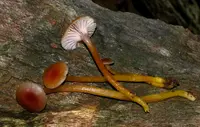
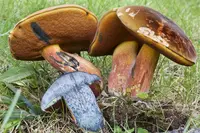
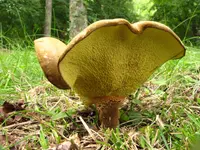
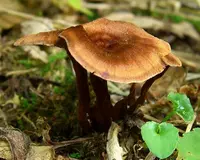
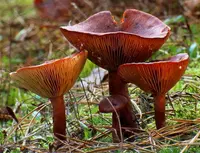
Rufous milkcap, Lactarius rufus, is a wild mushroom-forming fungus rather than a typical houseplant. It forms symbiotic relationships with tree roots, especially in coniferous forests. Caps are reddish-brown with a depressed center, and the milk it exudes is white but turns slightly darker on exposure. This species is common in northern and montane regions of Europe, Asia, and North America. It is not a good choice for beginners who want to care for Rufous Milkcap, because it depends on specific tree partners and natural soil fungi communities. In nature it favors acidic, well-drained forest soils with steady moisture and dappled light under trees.

Main Plant Requirements

Care Difficulty

Hard Care

Light Preference

Partial Shade

Water Requirements

Regular Water

Temperature Preference

Cold Hardy

Hardiness Zone

2–7

Soil Texture

Sandy, Loamy, Organic-rich

Soil pH

Strongly acidic (4.5–5.5), Acidic (5.5–6.5)

Soil Drainage

Moist but well-drained

Fertilization

Minimal (feed rarely)

Get Personalized Care Plan

Scan your plant to receive care tips personalized for your specific plant

Available on iOS and Android

How to Care for the Rufous Milkcap

This mycorrhizal mushroom prefers woodland light conditions rather than open, full sun sites.

  • Provide dappled or filtered light under conifers or mixed woodland, roughly 2–5 hours of soft morning or late-afternoon sun per day.
  • Avoid strong midday sun in open clearings, which can overheat the soil surface and dry the upper fungal habitat too quickly for Rufous Milkcap.
  • In summer, favor shadier, north- or east-facing forest edges; in cooler seasons, slightly more open canopy light still keeps conditions suitable.

This forest fungus relies on steady, naturally moist but not waterlogged soil around its tree partners.

  • Aim for evenly moist mineral soil where the top 2–5 cm do not stay saturated; standing water or boggy patches increase rot risk for Lactarius rufus mycelium.
  • Use soils with good drainage and a loose litter layer; coarse organic matter and slight slope help excess water move away after rain.
  • In dry spells, observe the forest floor: prolonged cracking, dusty soil, and wilted ground vegetation indicate that supplemental moisture or site adjustment is needed.

This species is adapted to cool to mild forest climates with distinct seasonal shifts.

  • Optimal fruiting often occurs around 50–65°F (10–18°C), with mycelium growth possible from roughly 40–70°F (4–21°C) in the soil.
  • The fungus tolerates cold and brief drops near 25°F (-4°C) in dormant phases, but repeated freeze–thaw of bare, exposed soil can damage fine mycelial strands.
  • Sustained heat above 77–82°F (25–28°C), especially with dry conditions, slows activity; deep litter and shade help buffer temperature extremes during hot spells.

This ectomycorrhizal fungus requires consistently moist air and substrate to fruit reliably.

  • Aim for 70–90% humidity around the fruiting area, using a tented setup or fruiting chamber if conditions are dry.
  • Dry air leads to cracked caps, pale, stalled primordia, and rapid shriveling of Lactarius rufus fruiting bodies.
  • Increase humidity by misting chamber walls, adding open trays of water, and reducing direct airflow over developing mushrooms.

This species fruits in symbiosis with tree roots, so soil preparation focuses on suitable forest-like conditions, not standard potting mixes.

  • Use a loose, sandy to sandy-loam mineral soil with high organic matter from leaf litter or conifer duff to mimic natural forest floors.
  • Ensure free drainage with no standing water; waterlogged conditions reduce oxygen around roots and suppress mycorrhizal development.
  • Maintain slightly acidic soil, pH 4.5–6.0, by incorporating pine needles or acidified compost rather than liming the substrate.
  • Avoid dense clay, heavy peat-only media, or fertilizers high in soluble salts, which interfere with Lactarius rufus mycelium and host root health.

This species is generally unsuitable for container growing because it depends on long-term ectomycorrhizal association with trees in open soil.

This forest mushroom forms a mycorrhizal partnership with trees and does not need direct fertilization.

Lactarius rufus produces short-lived fruiting bodies, so intentional pruning is neither practical nor required.

This fungus is not suited to container culture, so management focuses on where host trees grow rather than on repotting.

  • Transplant only young host trees in early spring or early fall, keeping as much native soil around the roots as possible.
  • Avoid disturbing the root zone of established trees, since fungal mycelium threads are intertwined with fine roots.
  • If moving soil from a known colony, transfer it gently and keep it evenly moist to limit mycelium stress.

Reproducing this mycorrhizal mushroom at home is technically complex and rarely attempted by typical gardeners.

In its normal outdoor habitat, this species is fully cold hardy and needs no targeted winter care.

Care Tips

Host tree selection

Establish this mycorrhizal fungus only with suitable conifer hosts such as pine or spruce, and avoid mixing incompatible broadleaf species in the same small planting area, since the fungus depends on a close, specific root partnership to form fruiting bodies.

Minimal soil disturbance

Keep the soil around the host tree roots undisturbed after inoculation by avoiding tilling, deep digging, or frequent raking, since breaking fine roots and fungal threads can sharply reduce future mushroom production.

Low‑nutrient management

Maintain relatively low nutrient levels by avoiding rich composts and concentrated fertilizers near the host tree, as high nutrient availability can reduce the tree’s dependence on the fungus and suppress fruiting when growing Rufous Milkcap.

Controlled leaf litter

Allow a thin, natural layer of needles or leaves to remain over the root zone for moisture retention, but gently remove or thin out heavy, compacted mats each year so that developing mushrooms can emerge through the surface.

Targeted irrigation zones

When irrigation is needed, water the outer root zone of the host tree (the drip line) rather than the trunk base, since this is where most active fine roots and fungal associations occur and where mushrooms are more likely to fruit.

Common Pests and Diseases

Fungal mycelium parasites

This disease involves other competitive soil fungi colonizing and weakening the Lactarius rufus mycelium in the forest floor. Symptoms include sparse or disappearing fruiting bodies in patches that previously produced well.

Solution

Manage by avoiding soil disturbance, compaction, and chemical use around host trees, and maintain a stable, moist but not waterlogged forest floor with an intact litter layer. If managing a cultivated site, rotate host trees or planting areas and introduce clean, locally sourced inoculum to reestablish healthy mycelium.

Mycophagous flies

These insects lay eggs in young mushroom caps, and the larvae tunnel through the flesh, causing soft, discolored, and wormy fruiting bodies. This pest often makes mushrooms unsuitable for harvest but usually does not kill the underground mycelium.

Solution

Reduce impact by harvesting mushrooms as soon as caps emerge and before they fully expand, then trimming away any affected tissue. In managed woodland or outdoor beds, remove and discard heavily infested fruiting bodies to lower local fly populations over time.

Slug and snail grazing

These pests feed on young and mature fruiting bodies, leaving ragged edges, holes, and slime trails. Damage can be extensive in damp, shaded sites where slugs and snails are abundant.

Solution

Limit damage by hand-picking slugs and snails during cool, damp periods and removing plant debris or boards that serve as daytime shelters. In cultivation settings, use physical barriers such as copper tape or coarse, dry mulch rings, and avoid using broad-spectrum pellets that harm non-target wildlife when caring for Rufous Milkcap.

Mite infestation

These insects are tiny arthropods that can colonize the gills and cap surface, feeding on spores and tissue. Symptoms include fine pitting, discolored patches, and dusty-looking gills under close inspection.

Solution

Manage by promptly removing and discarding heavily infested mushrooms and maintaining good airflow and moderate humidity in any controlled cultivation area. Keep surrounding organic debris from piling up excessively, which reduces hiding places and long-term buildup of mite populations.

Interesting Facts

Sharp peppery taste

The milk exuded by this mushroom is extremely acrid and peppery, so strong that it can cause burning sensations in the mouth if eaten raw, a key field character used by mycologists to separate it from milder Lactarius species.

Boreal forest specialist

This species is strongly associated with coniferous and boreal forests, particularly forming mycorrhizal partnerships with pine and spruce in nutrient‑poor, acidic soils.

Cold‑tolerant fruiting

It commonly fruits in late summer to autumn in cool climates and can appear in large numbers even in relatively low temperatures typical of northern and high‑altitude regions.

Botan icon

Did you know?

In some northern European traditions, especially in parts of Scandinavia and Russia, this otherwise inedible, acrid mushroom has long been eaten only after thorough processing, such as repeated boiling and brining, which leaches out the pungent compounds before it is used as a salted or pickled food.

FAQs about Rufous Milkcap

This mushroom is considered edible by some traditions but is very acrid raw and can cause stomach upset if not properly processed. Correct identification, thorough cooking, and regional guidance are essential before any consumption.

Grow Healthy Plants with Botan Care

Keep your plants happy and healthy with plant identification, disease detection, and easy care guidance.

Botan plant care app — identify plants on mobile

Explore More Plants