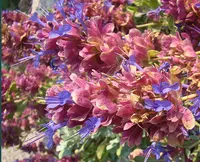
shrubby yellowcrest Care (Heimia salicifolia)

Also known as: sun opener, Sinicuichi, Willow-Leaf Heimia
shrubby yellowcrest

About shrubby yellowcrest

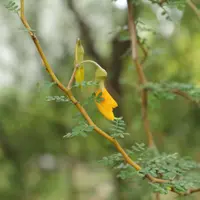
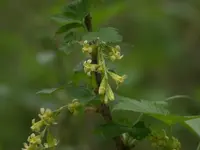
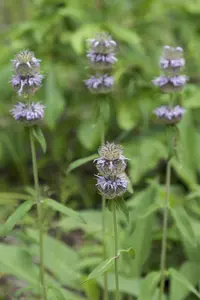
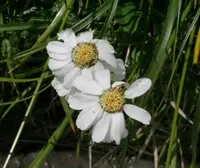
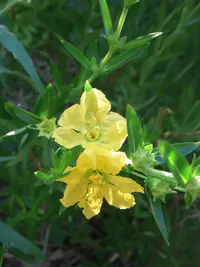
Shrubby yellowcrest (Heimia salicifolia) is a small, deciduous shrub known for its narrow, willow-like leaves and bright yellow, star-shaped summer flowers. It usually forms a dense, upright clump with fine-textured foliage that gives a light, airy look in the garden.

This species is native to warm regions of Mexico, Central America, and parts of South America, where it grows in open, sunny, often seasonally moist habitats. It is generally considered moderately easy to grow if provided with consistent moisture, full sun, and well-drained soil.

Gardeners who want to learn how to care for shrubby yellowcrest should note its preference for warm conditions and protection from hard frost, especially in cooler climates.

Main Plant Requirements

Care Difficulty

Moderate Care

Light Preference

Full Sun

Water Requirements

Regular Water

Temperature Preference

Warm Climate

Hardiness Zone

8–11

Soil Texture

Sandy, Loamy, Organic-rich

Soil pH

Acidic (5.5–6.5), Slightly acidic (6.5–7.0)

Soil Drainage

Moist but well-drained

Fertilization

Light (every 4–6 weeks)

Get Personalized Care Plan

Scan your plant to receive care tips personalized for your specific plant

Available on iOS and Android

How to Care for the shrubby yellowcrest

Heimia salicifolia grows best in bright, direct sun with some protection from intense afternoon heat.

  • Provide 6–8 hours of direct sun daily, ideally strong morning sun with light afternoon shade in hotter regions.
  • Plant shrubby yellowcrest in an open, south or west-facing spot; it tolerates light or dappled shade but flowering and density decrease below about 4 hours of direct sun.
  • Monitor leaves in summer; pale, scorched, or crisp edges indicate too much intense afternoon sun, while sparse, leggy stems signal insufficient light.

This species prefers evenly moist but not saturated soil, with short dry periods between waterings.

  • Outdoors in the ground, water when the top 3–5 cm of soil feels dry, allowing deeper soil to remain slightly moist, especially in the first 1–2 growing seasons.
  • Use well-drained soil; persistent puddling, algae on the surface, yellowing leaves, or soft stems suggest overwatering and poor aeration around the roots.
  • In hot, dry weather, expect faster drying and increase checks, while in cool or rainy seasons reduce watering and watch for wilting, crisp leaf edges, or leaf drop as signs of underwatering.

This shrub prefers warm, frost-free conditions with moderate seasonal variation.

  • Optimal growth occurs around 70–85°F (21–29°C), typical of warm temperate to subtropical climates during the main growing season.
  • The plant is sensitive to frost; growth slows below about 55°F (13°C) and tissue damage can occur if exposed to prolonged temperatures near or below 32°F (0°C).
  • Heimia salicifolia tolerates brief heat up to about 95°F (35°C) if soil moisture is adequate, but extended extreme heat may cause leaf scorch and requires additional shade and careful watering.

This species handles a wide range of humidity but grows best with moderate moisture in the air.

  • Aim for 40–60% humidity, similar to most heated homes.
  • Tolerates drier air but may show browned leaf tips and slower growth under very dry conditions.
  • Increase humidity by grouping plants, placing the pot on a pebble tray, or lightly misting during hot, dry weather.

Heimia salicifolia prefers loose, well-aerated soil that stays evenly moist but not saturated.

  • Use a loamy mix of roughly 40% peat or coco coir, 40% compost, and 20% perlite or coarse sand for structure and drainage.
  • Ensure fast drainage so water passes through within seconds, preventing prolonged root-zone saturation and oxygen loss.
  • Keep pH slightly acidic to neutral, around 6.0–7.0, which supports nutrient availability and stable growth.
  • Avoid heavy clay, compacted mixes, or soils with a high proportion of fine silt that stay wet and smear when squeezed.

This shrub grows reliably in containers when given adequate root space and drainage control.

  • Choose a deep, slightly wider-than-rootball pot to support the shrub’s woody root system and reduce tipping in wind.
  • Select a heavy, thick-walled container in exposed sites to stabilize the plant as stems become tall and bushy.
  • Raise the pot on feet or bricks outdoors so drainage holes stay clear and excess water escapes quickly after rain or watering.

Heimia salicifolia responds well to modest feeding during its active growing season.

  • Use a balanced liquid fertilizer (e.g., 10-10-10) at 1/2 strength every 4–6 weeks in spring and summer for shrubby yellowcrest.
  • Alternatively, top-dress with a thin layer of compost once in spring to support steady growth.
  • Choose slow-release granules for containers, applied sparingly according to label rates.
  • Stop feeding in fall and winter to allow natural dormancy and prevent weak, leggy growth.

Pruning Heimia salicifolia keeps the shrub compact and encourages denser flowering growth.

  • Carry out main pruning in late winter or early spring before strong new growth starts.
  • Remove dead, damaged, or crossing stems first, then thin overcrowded interior branches.
  • Shorten long, lanky shoots to maintain a rounded, bushy shape and stimulate new flowering shoots.
  • Use clean, sharp hand pruners and make cuts just above outward-facing buds for good structure.

This shrub is often grown outdoors, but container plants or young Heimia salicifolia benefit from occasional repotting or transplanting.

  • Look for roots circling the pot drainage holes, dry-out very quickly, or slowed growth as signs it needs more space.
  • Plan to move to a slightly larger container or garden position in early spring, every 2–3 years for potted plants.
  • Gently loosen circling roots, trim any dead portions, and set the plant at the same soil level in fresh, well-drained mix.
  • Water thoroughly after moving and keep the plant shaded or in mild light for 3–5 days to limit transplant shock.

Heimia salicifolia is commonly propagated from semi-ripe cuttings or seeds under warm, bright conditions.

  • Take 7–10 cm semi-ripe stem cuttings in late spring or summer, removing lower leaves.
  • Dip cut bases in rooting hormone and place in a moist, free-draining medium, keeping humidity high and temperatures around 70–75°F.
  • Sow fresh seeds on the surface of fine seed mix in spring, pressing lightly without deep covering, as many need light to germinate.
  • Provide bright, indirect light and consistently slightly moist conditions until roots or seedlings establish.

Heimia salicifolia has limited frost tolerance and benefits from simple winter protection in cooler climates.

  • In regions with frost, apply a 5–8 cm mulch layer around the root zone in late fall, keeping it off the stems.
  • For container plants, move pots into a bright, frost-free space when temperatures drop near freezing.
  • In mild climates, only light mulching and good drainage are usually required for successful overwintering.

Care Tips

Renewal coppice

Every 2–3 years, cut back one-third to one-half of the oldest stems to 10–15 cm above the soil in late winter to renew growth and keep the shrub dense rather than woody and sparse.

Clip-and-strike propagation

When lightly trimming in late spring or early summer, reserve non-flowering tip cuttings 8–10 cm long, remove lower leaves, and root them in a porous, moist propagation mix under bright shade to maintain backup plants and refresh leggy specimens.

Flowering flush timing

Delay major pruning until after the main summer flowering flush, then shear back lightly by 15–20% to encourage a second, more compact wave of blooms instead of a single heavy but brief display.

Targeted wind shelter

In open or breezy sites, place a low, perforated windbreak such as mesh or slatted fencing on the prevailing-wind side to reduce desiccation and stem breakage while still allowing enough air movement to limit fungal issues.

Seasonal container shift

For container plants, shift pots to a slightly more sheltered, heat-reflective spot near a south- or west-facing wall in early spring and fall to extend the active growing period when growing shrubby yellowcrest in cooler regions.

Common Pests and Diseases

Leaf spot

Symptoms include small brown to dark-purple spots on leaves that may merge into larger blotches, often appearing after periods of warm, humid weather or overhead watering.

Solution

Remove and discard heavily spotted leaves, avoid wetting foliage by watering at the soil level, and improve air circulation around the plant; if spread continues in damp conditions, apply a copper-based or chlorothalonil fungicide labeled for ornamental shrubs, following label directions carefully.

Powdery mildew

This disease causes a white to gray, powdery coating on leaf surfaces, which can lead to distortion and reduced vigor in shaded or crowded conditions.

Solution

Increase light and airflow, thin dense growth if needed, and avoid excessive nitrogen fertilization; in persistent cases, use a sulfur or potassium bicarbonate fungicide suitable for ornamentals and repeat as directed until new growth appears clean.

Leaf-chewing caterpillars

These insects create irregular holes or missing sections in leaves and may skeletonize foliage during active feeding periods, especially on outdoor shrubs.

Solution

Hand-pick visible caterpillars in small infestations and encourage natural predators; for heavier damage, use Bacillus thuringiensis (Bt) or spinosad products targeted at caterpillars, applying in the evening and repeating as the label indicates as part of broader Heimia salicifolia plant care.

Aphids

These insects cluster on young stems and leaf undersides, sucking sap and causing curling leaves, sticky honeydew, and sometimes sooty mold growth on the foliage.

Solution

Blast colonies off with a strong stream of water, prune and discard heavily infested shoot tips, and if needed apply insecticidal soap or neem oil thoroughly to all leaf surfaces, repeating every 5–7 days until populations decline.

Spider mites

This pest causes fine stippling, dull or bronzed leaves, and delicate webbing, particularly during hot, dry periods or when plants are kept in very low humidity.

Solution

Rinse foliage thoroughly with water, focusing on leaf undersides, and increase humidity around the plant; in persistent infestations, use horticultural oil or insecticidal soap at 5–7 day intervals, rotating spray direction to reach hidden mites and monitoring new growth closely.

Interesting Facts

Mesoamerican ritual history

This shrub was historically used in central and southern Mexico by Indigenous groups such as the Nahua and Mazatec in divinatory and ritual contexts, where it was valued as a culturally important plant rather than a simple garden shrub.

Alkaloid-rich chemistry

The species produces several quinolizidine-type alkaloids, including vertine (criolline), lyfoline, and lythrine, which have been characterized in pharmacological and phytochemical research for their effects on the central nervous system in laboratory settings.

Riparian habitat preference

In the wild it typically grows along riverbanks, lakeshores, and seasonally flooded areas from Mexico to parts of South America, showing a natural adaptation to periodically moist yet well-drained substrates.

Botan icon

Did you know?

The species was described scientifically in the early 19th century and later became an important reference plant in ethnobotanical research on psychoactive and ritual flora of Mesoamerica, frequently cited as a key example of how traditional cultural knowledge guided modern phytochemical investigation.

FAQs about shrubby yellowcrest

Poor flowering usually comes from insufficient light, lack of nutrients, or heavy, unpruned wood. Provide full sun, feed lightly in spring, and prune after flowering to remove old stems and stimulate new, flower-bearing growth.

Grow Healthy Plants with Botan Care

Keep your plants happy and healthy with plant identification, disease detection, and easy care guidance.

Botan plant care app — identify plants on mobile

Explore More Plants