Anise-Scented Sage Care (Salvia coerulea 'Black and Blue')

Also known as: Brazilian Sage, Blue Anise Sage, Salvia Azul, Salvia, Guarani Sage

About Anise-Scented Sage

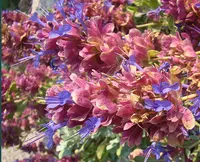
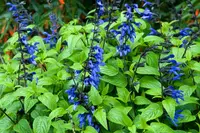
Anise-scented sage, Salvia coerulea 'Black and Blue', is a tender perennial salvia grown mainly for its vivid blue flowers and dark, almost black calyces. It forms a bushy, upright clump with soft, green foliage that releases a light anise scent when brushed.

This plant originates from South America and is often used in borders, wildlife gardens, and large containers in mild and warm climates. Hummingbirds and pollinating insects are strongly attracted to its tubular blooms.

Salvia coerulea 'Black and Blue' is considered easy to moderate to grow, provided it has plenty of sun, good drainage, and protection from hard frost. Understanding how to care for Anise-Scented Sage helps it flower reliably and maintain a compact, healthy shape.

Main Plant Requirements

Care Difficulty

Easy Care

Light Preference

Full Sun

Water Requirements

Moderate Water

Temperature Preference

Warm Climate

Hardiness Zone

7–10

Soil Texture

Sandy, Loamy, Organic-rich

Soil pH

Acidic (5.5–6.5), Slightly acidic (6.5–7.0)

Soil Drainage

Moist but well-drained

Fertilization

Light (every 4–6 weeks)

Get Personalized Care Plan

Scan your plant to receive care tips personalized for your specific plant

Available on iOS and Android

How to Care for the Anise-Scented Sage

This sun-loving perennial thrives in bright conditions but appreciates some relief from intense afternoon rays.

  • Provide 6–8 hours of direct sun daily, with morning sun and light afternoon shade ideal for strong flowering and sturdy growth.
  • Plants tolerate light or dappled shade, especially in hotter climates, but flowering and foliage density decrease in less than 4–5 hours of sun.
  • In caring for Anise-Scented Sage, monitor for leaf scorch, wilting, or bleached foliage in full, hot afternoon sun and consider shifting to a slightly shadier exposure if these appear.

This salvia prefers evenly moist, well-drained soil that dries slightly between waterings rather than staying constantly wet.

  • Water when the top 3–5 cm of soil feels dry, applying a slow, deep soak so moisture reaches the root zone, then allow excess to drain away.
  • Reduce watering in cool seasons or when growth slows, but never let the soil bake hard and pull away from the edges, which signals underwatering.
  • Watch Salvia coerulea 'Black and Blue' for yellowing, soft stems, or a sour smell as signs of overwatering, and crisp, drooping leaves as a sign it needs water.

This species prefers warm growing conditions and does best when protected from hard frost and extreme heat.

  • Optimal growth occurs around 65–80°F (18–27°C); flowering is strongest in sustained mild warmth with consistent moisture and full to partial sun.
  • The plant is frost-tender; light frosts near 30–32°F (-1–0°C) may damage top growth, and harder freezes below 25°F (-4°C) can kill roots without mulch.
  • In hot spells above 90°F (32°C), provide extra mulch and soil moisture; combine with light afternoon shade to limit stress, leaf scorch, and flower drop.

This salvia tolerates a wide humidity range and rarely needs special humidity management outdoors.

  • Performs well at 30–60% humidity, matching most outdoor conditions in temperate climates.
  • Handles dry air without major stress; leaf edge browning usually relates more to drought or heat than humidity alone.
  • If grown in a very hot, arid spot, group plants or use nearby mulch and groundcover to slightly buffer moisture around foliage.

Salvia coerulea 'Black and Blue' prefers loose, well-drained, moderately fertile soil.

  • Use a loamy or sandy base enriched with 20–30% compost to support growth without staying wet.
  • Aim for slightly acidic to neutral pH, around 6.0–7.0, which supports nutrient availability and root health.
  • Improve drainage and aeration by blending coarse sand or perlite at 10–20% of the mix, especially in heavy or clay soils.
  • Avoid compacted, waterlogged, or peat-heavy mixes that stay saturated, as these increase root rot risk and reduce flowering.

This species is well suited to container growing when provided with a stable, well-drained setup.

  • Choose a heavy, wide-based pot to prevent tall flowering stems from tipping the container in wind.
  • Select a pot deep enough to allow a fibrous root system to spread, typically at least 30 cm depth for mature plants.
  • Ensure drainage holes never sit blocked on solid surfaces by raising the pot on feet or spacers so water exits freely.

This vigorous perennial flowers well with modest, targeted feeding during the growing season.

  • Use a balanced, water-soluble fertilizer at 1/2 strength every 4–6 weeks in spring and summer for Salvia coerulea 'Black and Blue'.
  • Alternatively, mix compost or a slow-release granular fertilizer into the topsoil once in spring.
  • Water before and after feeding to reduce root burn and improve nutrient uptake.
  • Stop fertilizing in late summer to early fall so growth hardens before winter; do not feed during winter dormancy.

Thoughtful pruning keeps Salvia coerulea 'Black and Blue' compact and encourages more blooms.

  • In late winter or early spring, cut back old stems to 10–20 cm above soil to stimulate vigorous new growth.
  • During the growing season, remove spent flower spikes to extend blooming and maintain a tidy shape.
  • Snip dead, damaged, or crossing stems with clean, sharp pruners to improve air flow and reduce disease risk.
  • Lightly thin overly tall or sprawling shoots in midsummer to prevent flopping and keep a balanced outline.

Container-grown plants benefit from occasional repotting, while garden plants respond well to thoughtful transplanting.

  • Look for roots circling the pot, pushing through drainage holes, or slowed top growth as signals to move Salvia coerulea 'Black and Blue' to a larger container.
  • Plan repotting or transplanting for early spring, just as new growth starts, to minimize stress and allow fast re-establishment.
  • Repot every 2–3 years into a pot 2–5 cm wider, using free-draining soil and gently loosening circling roots.
  • Water thoroughly after moving, shade from intense sun for a few days, and keep soil evenly moist until growth resumes strongly.

This salvia is commonly multiplied to expand garden displays or share plants.

  • Take 7–10 cm softwood stem cuttings in late spring to early summer, removing lower leaves and inserting into moist, well-draining mix.
  • Provide bright, indirect light and high humidity; maintain 65–75°F for reliable rooting within several weeks.
  • Divide established clumps in early spring, ensuring each division has healthy shoots and a solid root section.
  • Seeds are less reliable; if used, sow shallowly in a light seed mix, keep evenly moist, and maintain warm conditions for germination.

This plant has moderate cold tolerance and benefits from simple winter protection in cooler climates.

  • In USDA zones around 8–10, plants usually overwinter in the ground with minimal intervention.
  • After the first hard frost, cut back blackened stems and apply 5–8 cm of organic mulch over the root zone.
  • In colder zones or exposed sites, treat Anise-Scented Sage as a tender perennial and overwinter in containers.
  • Move potted plants into a cool, bright, frost-free area, watering sparingly to keep the root ball just slightly moist.

Care Tips

Pinch Early Shoots

Lightly pinch back young growing tips in late spring to encourage bushier growth and more flowering stems rather than a few tall, floppy shoots.

Provide Simple Staking

Install low, discreet stakes or a short ring support around the clump in early summer so stems have something to lean on once flower spikes become top-heavy in wind or rain.

Renew Plants Yearly

Cut back old, woody stems hard in late winter and replace tired clumps every 3–4 years by planting fresh divisions or nursery stock to maintain vigor and strong flowering.

Encourage Repeat Bloom

Shear off spent flower spikes and the top few inches of foliage as a light trim every few weeks during the flowering season to stimulate new flushes of blooms.

Overwintering Strategy

In USDA zones at the edge of its hardiness, mulch the root zone with 5–8 cm of loose organic material after frost and mark the planting spot, since caring for Anise-Scented Sage often involves protecting crowns that resprout late in spring.

Common Pests and Diseases

Spider mites

This pest often appears in hot, dry weather and feeds on the undersides of leaves, causing stippling, pale foliage, and fine webbing on stems and buds.

Solution

Rinse foliage thoroughly with a strong but gentle stream of water, focusing on leaf undersides, and repeat every few days; in heavier infestations, use insecticidal soap or a neem oil spray and increase humidity and air movement around plants to make conditions less favorable for mites.

Whiteflies

These insects congregate on young growth and leaf undersides, causing sticky honeydew, yellowing leaves, and reduced flowering when populations build up.

Solution

Shake stems to check for small white insects flying up, then use yellow sticky traps to reduce adults and spray the plant with insecticidal soap or horticultural oil, making sure to cover the undersides of leaves; remove heavily infested leaves to slow population growth.

Botrytis blight

This disease thrives in cool, damp conditions and causes soft, brown spots on leaves and flowers that develop fuzzy gray mold, especially on dense growth and aging blooms.

Solution

Remove and discard all affected leaves and flower spikes, avoid overhead watering, and improve spacing and airflow; in persistently wet conditions, a preventive fungicide labeled for ornamentals can be used according to label directions.

Powdery mildew

This disease produces white, powdery patches on leaves and stems, which can lead to leaf curling, distortion, and reduced vigor in crowded or shaded plantings.

Solution

Thin stems to improve airflow, avoid wetting foliage late in the day, and prune off heavily affected leaves; if the problem persists, apply a sulfur or potassium bicarbonate fungicide labeled for ornamentals, coating both upper and lower leaf surfaces.

Aphids

These insects cluster on tender shoot tips and flower spikes, sucking sap and causing distorted new growth along with sticky honeydew that can attract sooty mold.

Solution

Spray stems and undersides of leaves with a firm stream of water to knock aphids off, pinch back heavily infested shoot tips, and use insecticidal soap or neem oil for ongoing control while encouraging natural predators such as lady beetles in outdoor plantings.

Interesting Facts

Hummingbird specialist blooms

The long, tubular blue flowers with contrasting black calyces are shaped and positioned to match hummingbird feeding behavior, which is why this plant is notably more attractive to hummingbirds than many other salvias in North American gardens.

Color contrast adaptation

The dark, almost black calyces provide a strong visual contrast to the vivid blue corollas, which enhances floral visibility to pollinators that see color contrasts differently from humans.

Vigorous tuberous growth

This salvia forms fleshy, tuberous roots that store energy, allowing it to resprout vigorously after light frosts or hard pruning in suitable climates.

Botan icon

Did you know?

This cultivar is valued by plant breeders and enthusiasts because its distinctive combination of deep blue flowers and black calyces is relatively rare among ornamental salvias, making it an important parent or comparison plant in breeding programs focused on novel flower coloration.

FAQs about Anise-Scented Sage

Poor flowering often results from too little light, excess nitrogen fertilizer, or lack of deadheading. Crowded roots, recent transplant shock, or very young plants also reduce bloom. Light pruning and balanced fertilizer usually restore flowering over time.

Grow Healthy Plants with Botan Care

Keep your plants happy and healthy with plant identification, disease detection, and easy care guidance.

Botan plant care app — identify plants on mobile

Explore More Plants