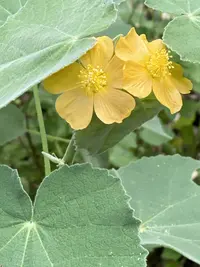
ashy sunflower Care (Helianthus mollis)

ashy sunflower

About ashy sunflower

Ashy sunflower, Helianthus mollis, is a hardy perennial wildflower native to central and eastern North America. It typically grows in open prairies, roadsides, and dry, sunny fields.

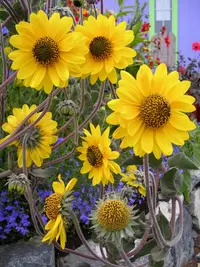
Plants form clumps of upright stems with soft, grayish, hairy leaves and bright yellow daisy-like flower heads in late summer. The foliage’s silvery cast gives the plant its common name.

This species is adapted to poor, well-drained soils and tolerates heat and drought once established, which makes it relatively low-maintenance. Gardeners who care for ashy sunflower usually value it for its resilience and strong support for pollinators such as bees and butterflies.

Main Plant Requirements

Care Difficulty

Easy Care

Light Preference

Full Sun

Water Requirements

Moderate Water

Temperature Preference

Cold Hardy

Hardiness Zone

4–9

Soil Texture

Sandy, Loamy, Clay

Soil pH

Slightly acidic (6.5–7.0), Neutral (7.0)

Soil Drainage

Well-drained

Fertilization

Minimal (feed rarely)

Get Personalized Care Plan

Scan your plant to receive care tips personalized for your specific plant

Available on iOS and Android

How to Care for the ashy sunflower

Helianthus mollis thrives in open, sunny sites where it receives strong direct light.

  • Provide 6–8 hours of direct sun daily; 4–5 hours plus bright, open sky can still support flowering.
  • Allow light afternoon shade in hotter regions, as intense sun with dry soil can scorch foliage on ashy sunflower.
  • Avoid planting in areas shaded by trees or buildings; too little sun causes lanky stems, fewer blooms, and weak growth, especially in late summer.

This prairie perennial prefers moderately dry to evenly moist soil rather than constant wetness.

  • Water when the top 3–5 cm of soil feels dry, giving a deep soak that reaches the full root zone rather than frequent light splashes.
  • During hot, windy periods, check soil every 2–3 days; in cool or rainy weather, hold off until the surface fully dries and soil feels just slightly damp below.
  • Ensure fast drainage; soggy soil, yellowing lower leaves, and soft stems suggest overwatering, while drooping with dry, crumbly soil signals underwatering in Helianthus mollis.

This hardy perennial tolerates a wide temperature range typical of temperate climates.

  • Active growth is strongest around 65–85°F (18–29°C), with sturdy stems and reliable flowering in full sun.
  • Mature plants withstand winter cold down to about -20°F (-29°C) in-ground when soils are well drained and crowns are not waterlogged.
  • Summer heat up to 95°F (35°C) is tolerated if soil does not completely dry out; repeated frost in spring can nip new shoots but plants usually resprout from the base.

This species handles a wide humidity range and rarely needs special humidity management outdoors.

Helianthus mollis prefers lean, well-drained soil that stays relatively dry between waterings.

  • Use sandy or sandy-loam soil with modest organic matter to mimic its native prairie conditions.
  • Aim for slightly acidic to neutral pH around 6.0–7.2 for steady nutrient availability.
  • Improve drainage and aeration by blending mineral topsoil with coarse sand and a small amount of compost.
  • Avoid heavy clay, compacted, or constantly wet substrates that promote root rot and weak, leggy growth.

This species can be grown in containers if the pot is managed to prevent waterlogging and tipping.

  • Choose a deep, heavy container that resists tipping as stems elongate and flower heads develop.
  • Fill the pot with a gritty, fast-draining mix such as 50% mineral topsoil, 30% coarse sand, and 20% compost.
  • Elevate the container slightly so drainage holes stay clear and excess water never pools under the base.

Helianthus mollis thrives in lean soil and usually needs only light feeding in garden settings.

  • In average garden soil, apply a thin layer of compost around plants once in spring to support steady growth.
  • For poor or sandy sites, use a balanced slow-release fertilizer (around 10-10-10) at 1/2 strength in early spring.
  • In containers, use diluted balanced liquid fertilizer at 1/2 strength every 4–6 weeks during active growth.
  • Stop feeding as growth slows in late summer and avoid fertilizer in fall and winter to prevent weak, frost-tender shoots.

Pruning Helianthus mollis is mainly done to maintain shape, encourage flowering, and remove tired growth.

  • In late winter or early spring, cut back old, dead stems to just above ground level using clean hand pruners.
  • During summer, deadhead spent flower heads to extend blooming and keep plants tidy.
  • Thin crowded or weak stems at the base to improve air movement and reduce disease risk.
  • After flowering peaks, lightly shape tall stems to prevent flopping, but leave some seedheads for birds if desired.

This deep-rooted perennial is usually grown in the ground, so focus on careful transplanting rather than frequent repotting.

  • Transplant clumps in early spring or early fall when growth is slow and temperatures are mild.
  • Move plants if growth declines, flowering drops, or clumps become congested and spread beyond their space.
  • Dig widely around the root zone, lifting the clump with as much soil as possible to limit root stress.
  • Replant at the same depth in well-drained soil, water thoroughly, and keep evenly moist for 1–2 weeks while roots re-establish.

New plants of Helianthus mollis are commonly produced by division or seed under suitable conditions.

  • Divide established clumps in early spring or early fall, when soil is workable and top growth is limited.
  • Lift the clump and separate sections with several healthy shoots and roots using a sharp knife or spade.
  • Replant divisions promptly into well-drained soil, firm lightly, and water to settle soil around roots.
  • For seed, sow in fall or early spring outdoors; light cold exposure often improves germination.

This hardy perennial usually needs minimal winter care in most temperate climates.

  • Once frost blackens foliage, cut stems down to a few cm above soil or leave standing for wildlife habitat.
  • Apply a light mulch layer (5–7 cm) of leaves or compost around the crown in colder regions to buffer freeze–thaw cycles.
  • Container-grown plants benefit from moving to a sheltered, unheated area where roots stay cold but not waterlogged.

Care Tips

Sturdy staking method

Install low, wide plant rings or 2–3 discreet stakes around young clumps in late spring, then loosely tie stems with soft garden ties to prevent lodging in summer storms while still allowing natural movement.

Basal shoot renewal

Every 2–3 years in early spring, thin out the oldest, woodiest basal shoots at ground level to improve air flow, reduce foliar disease pressure, and encourage stronger, more floriferous new stems.

Rhizome spread control

To keep the plant from becoming invasive, cut back and spade a narrow trench around the clump edge every 1–2 years, removing wandering rhizomes and replanting only the healthiest divisions.

Targeted deadheading

For a longer but tidy display, remove spent flower heads before seeds fully mature on outer stems while allowing a few central stalks to set seed for wildlife and limited self-sowing.

Late-winter cleanup

Leave dry stems standing through winter for structural interest and habitat, then cut them back to 5–10 cm above soil level in late winter so new growth emerges cleanly with fewer overwintered pests and diseases, which supports healthier conditions for growing ashy sunflower.

Common Pests and Diseases

Rust

This disease causes yellow flecks and orange to brown powdery pustules on lower leaf surfaces, often leading to early leaf drop in late summer. Symptoms include reduced vigor and patchy thinning of the plant clump.

Solution

Remove and discard heavily infected leaves and any fallen plant debris to reduce spore buildup. Improve spacing and airflow, avoid overhead watering, and if rust recurs yearly, apply a labeled sulfur or chlorothalonil fungicide early in the season at the first sign of spots.

Powdery mildew

This disease forms a white to gray powdery coating on upper leaf surfaces, especially in humid, crowded plantings or partial shade. Symptoms include distorted, dull foliage and reduced flowering over time.

Solution

Thin or divide dense clumps to increase light and air movement and water at soil level to keep foliage dry. Remove badly affected leaves and, in chronic cases, use a labeled powdery mildew fungicide such as a myclobutanil or potassium bicarbonate product applied at the first sign of infection.

Sunflower head moth

This pest lays eggs on developing flower heads; the larvae tunnel into the heads and feed on florets and seeds, causing brown frass, webbing, and deformed seedheads. Symptoms include ragged or partially hollow flower centers.

Solution

Inspect forming flower heads frequently and remove and discard any with visible webbing or damage before larvae complete development. In larger plantings, floating row covers before flowering or a targeted Bacillus thuringiensis (Bt) or spinosad spray timed to early bloom can reduce infestation while limiting impact on pollinators.

Sunflower stem borer

This insect’s larvae tunnel inside stems, causing wilting, stem swelling, or lodging where plants snap in wind. Symptoms include small entry holes and frass on stems and hollow, weakened interiors when cut open.

Solution

Cut and destroy infested stems at ground level as soon as damage is noticed to remove larvae before they mature. In fall, remove and dispose of all old stems and plant debris to break the insect’s life cycle; in high-pressure sites, consider crop rotation and avoid replanting sunflowers in the same spot every year.

Interesting Facts

Native prairie specialist

This species is native to dry, open prairies and glades in central and eastern North America, where it is especially common on sandy or rocky soils that many other sunflowers cannot tolerate.

Velvety gray foliage

Its stems and leaves are densely covered with short, fine hairs, giving the plant a distinctive gray‑green, ashy appearance that helps reduce water loss and reflects intense sunlight.

Rhizomes shape colonies

Helianthus mollis spreads slowly by short rhizomes, forming tight clumps or small colonies that stabilize poor soils and provide long‑lasting structure in prairie plantings.

Botan icon

Did you know?

This species is considered an important late-summer nectar and pollen source for native bees and butterflies in tallgrass and mixed-grass prairie remnants, often flowering when many spring and early-summer wildflowers have already declined.

FAQs about ashy sunflower

This species establishes moderately quickly, usually reaching near-mature size by its second full growing season. Growth is fastest in full sun, with well-drained soil and consistent moisture during spring and early summer, then slowing once flowering begins.

Grow Healthy Plants with Botan Care

Keep your plants happy and healthy with plant identification, disease detection, and easy care guidance.

Botan plant care app — identify plants on mobile

Explore More Plants