Stable moisture microclimate
Maintain a consistently damp microclimate by placing the culture container inside a larger, loosely covered box with a moist (not wet) paper towel or sphagnum layer to buffer against rapid humidity and moisture swings.

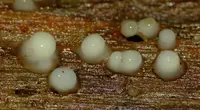
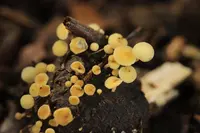
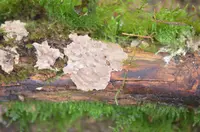
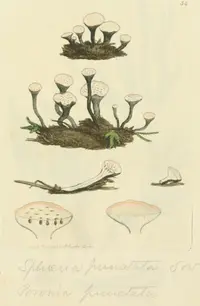
Helicogloea compressa is not a typical houseplant but a jelly-like fungus that forms thin, translucent, often whitish patches on decaying wood. It usually appears on fallen branches or dead trunks in cool, moist forests, especially in temperate regions.
This species plays a role as a decomposer, breaking down dead wood and recycling nutrients into the soil. It has a delicate texture and can be short-lived, appearing after wet weather and disappearing as conditions dry.
Because it is a wood-inhabiting fungus rather than a rooted plant, it is not commonly cultivated, and attempts to care for Helicogloea compressa at home are experimental and challenging.

Care Difficulty
Moderate Care

Light Preference
Partial Shade

Water Requirements
Keep Soil Moist

Temperature Preference
Warm Climate

Hardiness Zone
Unknown

Soil Texture
Loamy, Silty, Organic-rich

Soil pH
Acidic (5.5–6.5)

Soil Drainage
Moist but well-drained

Fertilization
Minimal (feed rarely)
Scan your plant to receive care tips personalized for your specific plant
Available on iOS and Android
This fungus prefers low to moderate natural light that mimics a shaded forest floor.
Moist, not waterlogged, conditions are essential for stable development of this jelly-like fungus.
This species develops best in cool to mild conditions similar to a shaded woodland floor.
This jelly fungus prefers consistently moist, high-humidity environments and reacts poorly to dry air.
This saprotrophic fungus develops best on moist, airy, organic-rich substrates rather than conventional potting soil.
This species can be maintained in containers mainly for culture or observation rather than decorative display.
This fungus usually grows on decaying wood and does not benefit from routine fertilization when left in natural or semi-natural conditions.
Helicogloea compressa needs no true pruning, but minor hygiene work keeps culture surfaces clean in managed settings.
In cultivation, this jelly-like fungus is rarely repotted; instead, its woody substrate is refreshed or replaced.
Propagation focuses on transferring mycelium from colonized wood to fresh substrate rather than using seeds or conventional cuttings.
Outdoor colonies on natural wood typically tolerate normal winter conditions in temperate climates and need little targeted care.

Plant Health Check
Not sure what's wrong with your plant? Check your plant's health inside the app.
This species produces thin, gelatinous, often translucent fruit bodies that form compressed, cushion-like patches on decaying wood, rather than typical mushroom caps or brackets.
It occurs as a saprotroph on well-rotted, often barkless dead wood, contributing to the late stages of wood decomposition by breaking down complex structural polymers such as cellulose.
In temperate regions, fruiting is often recorded in cool, moist periods outside the main growing season for many other fungi, which reduces competition and favors its gelatinous tissue structure.
This jelly-like fungus is not considered a common edible species. It lacks established culinary use and has limited safety data. It is best treated as inedible and left in place for its ecological role in wood decomposition.
Keep your plants happy and healthy with plant identification, disease detection, and easy care guidance.