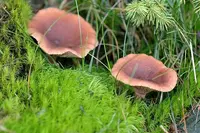
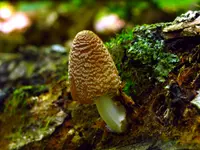
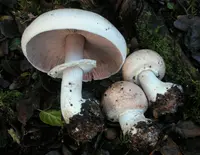
nut disco Care (Hymenoscyphus fructigenus)

nut disco

About nut disco

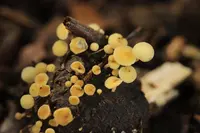
Nut disco, Hymenoscyphus fructigenus, is a small cup fungus rather than a leafy houseplant. It typically appears as tiny, pale to yellowish discs on the surface of fallen beech nuts and other hardwood fruits. These fruiting bodies form in clusters, giving a speckled look across decaying nut husks.

In nature, it occurs mainly in temperate woodlands across Europe and parts of North America, where it plays a role in breaking down forest litter. Because it depends on specific dead host material and stable humidity, it is challenging to maintain or care for nut disco in typical indoor or garden settings.

Main Plant Requirements

Care Difficulty

Moderate Care

Light Preference

Partial Shade

Water Requirements

Keep Soil Moist

Temperature Preference

Cool Climate

Hardiness Zone

Unknown

Soil Texture

Loamy, Organic-rich

Soil pH

Acidic (5.5–6.5)

Soil Drainage

Moist but well-drained

Fertilization

Minimal (feed rarely)

Get Personalized Care Plan

Scan your plant to receive care tips personalized for your specific plant

Available on iOS and Android

How to Care for the nut disco

This small fungus prefers low, indirect light beneath tree canopies rather than open sun.

  • Provide dappled shade with 1–3 hours of weak morning or late-afternoon sun filtering through branches, never direct midday sun.
  • Grow nut disco on fallen beech or other suitable hardwood in woodland shade where surrounding foliage blocks harsh light most of the day.
  • Avoid full, exposed sun, which dries the substrate quickly; in summer, ensure constant shade, while in winter short, low-angle light through trees is acceptable.

This woodland fungus depends on consistently moist, not waterlogged, leaf litter and decaying wood.

  • Maintain evenly moist substrate; the top 2–3 cm of leaf litter or wood should feel damp but not soggy when pressed between fingers.
  • In wet spring and fall, rely mostly on rainfall for Hymenoscyphus fructigenus; in dry spells, lightly moisten the substrate when it starts to feel just barely damp at the surface.
  • Avoid standing water or compacted, poorly draining soil; signs of excess moisture include sour smell and slimy decay, while underwatering shows as brittle, overly dry leaf litter.

This species thrives in cool to mild woodland temperatures with moderate seasonal variation.

  • Aim for 50–68°F (10–20°C) as the main active range, typical of shaded forest floors in spring and fall.
  • It tolerates short dips to around 32°F (0°C) when dormant but prolonged hard frost below 28°F (-2°C) can damage the fruiting bodies.
  • Sustained heat above 77–82°F (25–28°C), especially combined with low humidity, dries the substrate; deep shade and moisture help buffer high summer temperatures.

This fungus has modest humidity needs but benefits from conditions that do not let substrates dry out completely.

  • Aim for ambient humidity around 50–70% when culturing on substrate, avoiding prolonged air below 40%.
  • Tolerates short dry spells if the substrate itself stays slightly moist, but fruiting reduces in very dry air.
  • Low humidity stress shows as aborted or shrunken cups and rapid surface cracking of the substrate.
  • Increase humidity with a loose‑covered propagation box or terrarium-like chamber that still allows some fresh air exchange.

This saprophytic fungus grows on decaying beech nuts and similar debris rather than in conventional potting soil.

  • Provide a loose, organic-rich layer of well-rotted beech nuts, leaf litter, and fine woody fragments instead of mineral soil.
  • Maintain a crumbly structure that drains freely yet retains moisture, similar to a forest floor duff layer.
  • Slightly acidic conditions (around pH 5.5–6.5) suit Hymenoscyphus fructigenus, which naturally colonizes beech litter in temperate woodlands.
  • Improve aeration by mixing in shredded bark or coarse leaf mold and avoid compacted, waterlogged, or fertilizer-enriched garden soil.

This species is only loosely suitable for container growing, mainly for experimental or educational culture rather than display.

  • Use a shallow, wide tray so the organic substrate forms a thin layer that mimics a forest-floor litter bed.
  • Choose a rigid container that does not flex when moved, so the delicate fruiting bodies are not disturbed by substrate shifting.
  • Provide side ventilation slots or a loose-fitting lid above the tray to balance high humidity with enough fresh air to limit mold overgrowth.

This fungus grows on fallen nuts and wood debris and does not require direct fertilization in cultivation.

Pruning is not applicable for Hymenoscyphus fructigenus because it is a small, short-lived fungus rather than a woody plant.

Transplanting focuses on adjusting the substrate rather than moving individual structures of this tiny saprophytic fungus.

  • Move colonized nut shells or wood fragments only if growth is declining or the substrate is decomposed and drying out.
  • Carry out any transfer in cool, moist conditions, ideally in early autumn, to limit desiccation stress.
  • Shift material gently into a fresh, similar damp leaf-litter or decaying-wood mix without shaking off mycelium.
  • Keep the new site shaded and evenly moist for several weeks so the mycelium can re-establish.

Propagation of Hymenoscyphus fructigenus is handled mainly through its natural spore production rather than active garden techniques.

Specific winter care is generally unnecessary, as this fungus persists in decaying nut shells or wood and appears in suitable moisture and temperature windows.

Care Tips

Substrate rotation

Periodically rotate or replace the decaying nut and leaf substrate so the fungus always has fresh, moderately decomposed beech or oak material instead of exhausting one spot.

Moisture micro-zones

Arrange the nuts in shallow trays with some clustered closely and others spaced out to create slightly different moisture levels, then keep the most consistently fruiting zone as the main production area.

Clean culture tools

Use disinfected tweezers or small tools when moving nuts or scraping old fruiting bodies to limit contamination from aggressive molds that can overrun the fungus.

Controlled airflow

Provide gentle, indirect airflow over the culture area to reduce stagnant moisture film on the nuts, which helps limit bacterial and mold problems without drying the substrate completely.

Seasonal resting phase

After a heavy fruiting flush, allow a short drier, cooler rest period before rehydrating the substrate, which often synchronizes the next flush and supports long-term stability when growing nut disco.

Common Pests and Diseases

sap beetle feeding

These insects are attracted to the moist, decaying acorn tissues that this fungus inhabits and may chew through fruiting bodies. Damage appears as ragged edges, missing tissue, or small holes in the cups.

Solution

Collect and discard heavily infested acorns and surrounding litter, and avoid storing acorns in warm, damp conditions where beetles thrive. For display or culture, keep acorns in well-ventilated containers with fine mesh or tight lids to exclude beetles and regularly remove any that show active insect activity.

fungal overgrowth by molds

This disease results from fast-growing molds such as Penicillium or Aspergillus colonizing the same acorn surface and outcompeting the small cup-like discs. Symptoms include fuzzy blue-green, gray, or black mold that quickly covers the hymenium (spore-bearing surface).

Solution

Improve air movement and reduce surface moisture around acorns by spacing them out on a breathable tray and avoiding misting. Remove and discard any acorns with aggressive mold overgrowth and refresh the substrate or display material to keep conditions clean and moderately dry.

bacterial soft rot of acorns

This disease affects the host acorn tissue, turning it soft, wet, and foul-smelling, which can destabilize or destroy the fruiting bodies. Symptoms include collapsing acorn tissue that leaks fluid and attracts flies or other insects.

Solution

Discard any acorns that become mushy or emit a sour odor, and clean containers or display surfaces with hot water and mild detergent before reusing. Maintain cooler temperatures, moderate humidity, and good ventilation to slow bacterial growth and preserve intact acorn substrates for longer-term Hymenoscyphus fructigenus plant care.

Interesting Facts

Acorn cup specialist

This fungus almost exclusively fruits on old acorn cups of oaks, especially pedunculate oak (Quercus robur) and sessile oak (Quercus petraea), where it forms dense clusters of tiny disc-shaped cups.

Tiny but brightly colored

Its apothecia, the open cup-like fruiting bodies, are only a few millimeters wide but often show a distinctive yellow to orange disc with a paler margin, making it visible against the dark, weathered acorn shells.

Late-season decomposer

The species commonly appears from late summer into winter in temperate Europe, contributing to the slow breakdown of acorn tissues and helping return their nutrients to woodland soils.

FAQs about nut disco

This fungus naturally grows on fallen beech nuts in temperate woodlands. It appears on decaying seed husks, usually in moist, shaded forest floors with good air circulation and abundant leaf litter to sustain its saprophytic lifestyle.

Grow Healthy Plants with Botan Care

Keep your plants happy and healthy with plant identification, disease detection, and easy care guidance.

Botan plant care app — identify plants on mobile

Explore More Plants