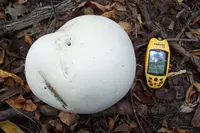
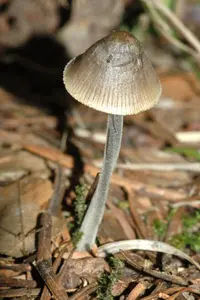
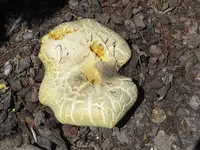
Sulcate Sunhead Care (Heliocybe sulcata)

Sulcate Sunhead

About Sulcate Sunhead

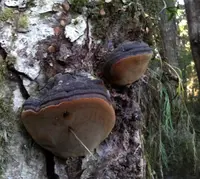
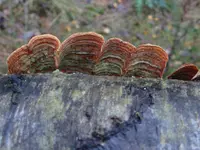
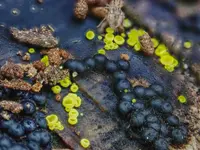
Sulcate Sunhead, Heliocybe sulcata, is a small wood-inhabiting fungus rather than a leafy houseplant. It forms bright orange to rusty, sunburst-like caps with distinct radial grooves. The fruiting bodies usually appear on very dry, dead conifer or hardwood, often on old fence posts, timber, or fallen branches.

This species occurs in temperate regions of North America, Europe, and parts of Asia, favoring well-aerated, sun-exposed wood. It is not commonly cultivated, since it relies on decomposing wood and specific environmental conditions. For anyone trying to care for Sulcate Sunhead, the main challenge is providing consistently dry, dead wood and outdoor-like exposure instead of conventional pot culture.

Main Plant Requirements

Care Difficulty

Moderate Care

Light Preference

Partial Shade

Water Requirements

Moderate Water

Temperature Preference

Warm Climate

Hardiness Zone

Unknown

Soil Texture

Loamy, Organic-rich

Soil pH

Slightly acidic (6.5–7.0)

Soil Drainage

Moist but well-drained

Fertilization

Minimal (feed rarely)

Get Personalized Care Plan

Scan your plant to receive care tips personalized for your specific plant

Available on iOS and Android

How to Care for the Sulcate Sunhead

This wood-decay fungus prefers bright woodland conditions with moderate, indirect sun rather than full exposure.

  • Aim for 2–4 hours of gentle morning sun with dappled or filtered light the rest of the day, similar to open woodland edges where Sulcate Sunhead often appears.
  • Tolerates partial shade, but dense, constant shade reduces fruiting, so ensure some direct or bright indirect light reaches the site daily.
  • Avoid harsh afternoon sun in exposed spots, which can dry the substrate quickly and desiccate fruiting bodies, especially in hot, dry seasons.

This fungus depends on consistently moist but not waterlogged wood to develop healthy fruiting bodies.

  • Ensure the woody substrate or log remains evenly moist, allowing the outer 1–2 cm to dry slightly between soakings rather than staying saturated.
  • During warm, dry periods, increase moisture by deep soaking less often instead of frequent light splashes, watching for cracking or shrinking wood as a sign of dryness.
  • Reduce supplemental watering in cool or wet seasons to avoid standing water, which encourages rot and mold rather than healthy Heliocybe sulcata growth.

This species is adapted to temperate climates and fruits best in mild to warm conditions without temperature extremes.

  • Optimal fruiting typically occurs around 60–75°F (16–24°C), with steady moisture and moderate air movement around the host wood.
  • Can tolerate cooler conditions down to about 40°F (4°C), but growth slows markedly and fruiting may pause until temperatures rise again.
  • Avoid prolonged exposure above 86°F (30°C) or direct, scorching sun, as excessive heat and drying can halt development and damage existing fruiting bodies.

Humidity is not a major factor for Heliocybe sulcata, which naturally tolerates relatively dry air.

This wood-decaying fungus relies more on its woody substrate than on traditional soil conditions.

  • Mimic a coarse, woody, organic-rich base using well-rotted hardwood chips mixed with small bark pieces and a little leaf litter.
  • Ensure very rapid drainage; the substrate should feel loose and airy, never compacted, soggy, or muddy.
  • Keep the mix slightly acidic to neutral, around pH 5.5–7.0, similar to typical forest-floor conditions.
  • Avoid peat-heavy, fine-textured, or clay-based mixes that hold continuous moisture and restrict air movement around the mycelium.

This species is not well suited to conventional container growing, since it specializes in fruiting from solid, decaying wood rather than from a potting substrate.

This wood-decay fungus does not need intentional feeding; it obtains nutrients from dead wood, so fertilizer is unnecessary for caring for Sulcate Sunhead.

Heliocybe sulcata does not require pruning, as the visible part is a short-lived fruiting body rather than a persistent plant structure.

Heliocybe sulcata is not managed through repotting or transplanting, since it colonizes and fruits from dead woody material rather than growing as a potted plant.

  • Leave colonized wood in place; moving it can disrupt the fungal mycelium that supports fruiting.
  • If relocation is unavoidable, move the entire wood piece intact, keeping it shaded and moist to limit stress.
  • Avoid breaking, cutting, or scraping the substrate surface, which can damage active hyphae.
  • Do not attempt routine container culture; standard potting mixes do not mimic the required decomposing wood habitat.

Propagation of Heliocybe sulcata is not typically attempted in home settings, as it spreads naturally via spores and colonization of suitable dead wood.

No special winter care is needed, as this fungus persists mainly as mycelium in wood and fruits when conditions suit it.

Care Tips

Use sterile substrate

Grow cultures on sterilized hardwood sawdust or well-pasteurized wood chips to reduce competition from molds and other fungi, which is critical for reliable fruiting when growing Sulcate Sunhead.

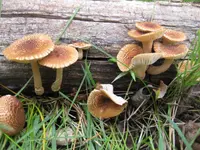
Mimic wood exposure

Partially expose colonized wood to fresh air and indirect light by brushing off a thin layer of loose material, which encourages the characteristic sunken caps and helps trigger fruiting bodies.

Control air exchange

Provide gentle but regular fresh-air exchange, such as opening vents several times a day in a fruiting chamber, to prevent carbon dioxide buildup that can distort growth and suppress spore production.

Monitor substrate moisture

Check the interior moisture of the wood or wood-based block by weight and feel rather than only surface appearance, and rehydrate with a controlled soak or mist if it feels significantly lighter or dry inside.

Rotate fruiting blocks

Turn colonized logs or blocks by 90° every few days during fruiting so developing caps have even access to air and light, reducing malformed or one-sided fruiting clusters.

Common Pests and Diseases

Wood-decay fungi

This disease involves competing saprotrophic fungi that colonize the same dead wood and can suppress Heliocybe sulcata fruiting. Symptoms include shrinking or disappearance of the characteristic small, sulcate caps where competitors dominate the substrate.

Solution

Remove and discard heavily colonized wood pieces, then place Heliocybe sulcata on fresh, undecayed hardwood with clean cut surfaces to reduce competition. Maintain good airflow and avoid stacking wood too densely so the target fungus has drier, better-ventilated conditions than many common competitors prefer.

Bark beetle activity

These insects tunnel under bark and through sapwood, altering moisture levels and wood structure so that fruiting bodies become sparse, distorted, or stop forming. This pest is most relevant when the fungus is maintained on cut logs or decorative wood indoors or under shelter.

Solution

Inspect logs for fresh bore holes and fine sawdust, and remove heavily infested pieces from the growing area. Store replacement wood off the ground, under cover, and use fine mesh or screened storage to limit beetle access, then shift fruiting pieces to more stable, cooler, and drier locations that are less attractive to active beetle populations.

Wood-boring larvae

This pest consists of moth or beetle larvae that feed within dead wood, creating galleries that destabilize the substrate and can physically destroy colonized zones. Symptoms include soft, crumbly areas, hollow sections, and collapse of fruiting clusters on affected wood.

Solution

Cut away and discard heavily tunneled wood sections and move remaining colonized pieces onto sound, untreated hardwood. For decorative or cultivation pieces kept indoors, reduce attractiveness to adult insects by storing wood in cool, dry, well-ventilated areas and rotating in new, clean logs before old ones become heavily infested.

Green mold contamination

This disease is caused by fast-growing Trichoderma and related molds that overrun colonized wood, producing green patches that suppress or replace fruiting bodies. Symptoms include a fine white mold that quickly turns bright or dull green on the wood surface around the fungus.

Solution

Remove and discard wood that shows extensive green mold, and reduce humidity and surface wetness around any remaining colonized pieces. Improve airflow, avoid direct contact with soil, and use only clean, debarked or freshly cut hardwood for growing Sulcate Sunhead to lower the chance of mold introduction.

Interesting Facts

Deeply grooved caps

The cap surface forms striking, radial, groove-like furrows as it matures, which is reflected in the species name sulcata, meaning furrowed or grooved. These grooves, along with the dry, often orange‑brown surface, make it relatively easy to recognize among small wood-inhabiting fungi.

Preference for very dry wood

This species is notable for appearing on extremely dry, sun-exposed, often dead conifer or hardwood surfaces such as fence posts, timber, or weathered logs. It is frequently recorded on wood that looks too desiccated to support fungal growth, showing a strong adaptation to low-moisture substrates.

Strong wood-decay specialist

The fungus is a saprotroph, meaning it feeds on dead organic matter, and it plays a role in breaking down lignocellulosic tissues in wood. By decomposing this tough material, it contributes to nutrient cycling and gradual structural weakening of long-exposed timber and dead branches.

Botan icon

Did you know?

Field mycologists have reported that dried basidiomata of this species can sometimes rehydrate and resume spore production after rainfall, even after long periods of desiccation, illustrating an unusual level of tolerance to drying among small wood-decay fungi.

FAQs about Sulcate Sunhead

This fungus is not considered an edible species. It is small, tough, and grows on dry, dead wood, offering no known culinary value. It should be treated as inedible and left for observation only.

Grow Healthy Plants with Botan Care

Keep your plants happy and healthy with plant identification, disease detection, and easy care guidance.

Botan plant care app — identify plants on mobile

Explore More Plants