grooved bonnet Care (Mycena polygramma)

grooved bonnet

About grooved bonnet

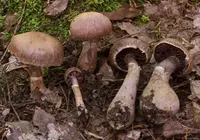
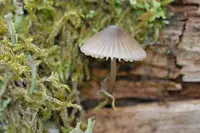
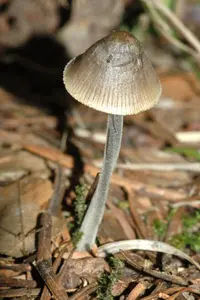
The grooved bonnet, Mycena polygramma, is a small saprophytic mushroom that feeds on decaying wood rather than living as a typical green plant. It forms slender, tall stems with fine longitudinal grooves and small, grayish to brown caps, often appearing in loose clusters on fallen branches or stumps.

This species occurs widely in temperate forests across Europe and North America, especially in moist, shaded woodland habitats. In cultivation, it is considered challenging, as it needs consistently cool, humid, shaded conditions and a steady supply of suitable rotting wood, so attempts to care for grooved bonnet at home are rarely successful.

Main Plant Requirements

Care Difficulty

Hard Care

Light Preference

Shade

Water Requirements

Keep Soil Moist

Temperature Preference

Cool Climate

Hardiness Zone

Unknown

Soil Texture

Loamy, Peaty, Organic-rich

Soil pH

Strongly acidic (4.5–5.5), Acidic (5.5–6.5)

Soil Drainage

Moist but well-drained

Fertilization

Minimal (feed rarely)

Get Personalized Care Plan

Scan your plant to receive care tips personalized for your specific plant

Available on iOS and Android

How to Care for the grooved bonnet

This woodland fungus prefers low, filtered light similar to a shaded forest floor.

  • Site grooved bonnet where it receives dappled light or deep shade, equivalent to less than 2–3 hours of weak, indirect sun per day.
  • Avoid direct midday or afternoon sun, which can dry substrates quickly and damage delicate fruiting bodies.
  • Provide more shade in summer and slightly more open, bright shade in autumn to mimic leaf drop and natural seasonal light changes.

This species requires consistently moist, not saturated, substrate that mimics a damp forest floor.

  • Aim for evenly moist decaying wood or leaf litter; surface should feel damp but not glossy-wet or puddled.
  • Reduce moisture if you see standing water, sour odor, or slimy mycelium, and increase misting if the substrate feels dry or crumbly at 0.5–1 cm depth.
  • Adjust frequency seasonally, providing more frequent light moisture in warm, drying conditions and slightly less in cool, humid weather for stable Mycena polygramma growth.

This fungus thrives in cool to mild conditions typical of temperate woodlands.

  • Support best growth at 50–65°F (10–18°C), with acceptable short periods up to about 70°F (21°C) if humidity stays high.
  • Protect from extremes below 35°F (2°C), since repeated hard frosts can damage fruiting bodies even if underground mycelium survives.
  • Limit heat exposure above 75°F (24°C), which dries substrates quickly; provide shade and extra humidity during hot, dry spells.

This wood-decay fungus requires consistently moist, humid air to fruit and persist.

  • Aim for 70–90% humidity around fruiting wood, using a humidity tent or enclosed terrarium-style setup.
  • Tolerates brief dips to 50–60%, but caps may crack, edges dry, and growth stall in prolonged dry air.
  • Increase humidity with frequent fine misting of the substrate, damp sphagnum nearby, or a loose plastic cover allowing some air exchange.

This species grows on well-rotted wood rather than true soil, but a substrate can be prepared to mimic that habitat.

  • Use a substrate of shredded hardwood, sawdust, and fine bark with high lignin content rather than mineral soil.
  • Ensure the mix drains freely but stays evenly moist by blending in 10–20% vermiculite to hold water without waterlogging.
  • Keep substrate slightly acidic, around pH 5.0–6.0, using hardwood-based materials and avoiding lime or alkaline amendments.
  • Avoid dense garden soil, manure-heavy compost, or any substrate that compacts and blocks air flow around the mycelium of Mycena polygramma.

This fungus is only moderately suitable for containers and performs best in controlled, humid microclimates.

  • Choose a deep, narrow container that fits the length of the colonized wood so the substrate remains stable and evenly moist.
  • Use side-drilled drainage holes or a slotted insert so excess water drains without leaving the wood submerged at the bottom.
  • Place the container inside a larger tray or box to buffer humidity and reduce rapid edge drying that can stop grooved bonnet fruiting.

Mycena polygramma is a forest-dwelling fungus that grows on decaying wood and usually does not need added fertilizer in cultivation.

Pruning is not relevant for Mycena polygramma, as the visible mushrooms are short-lived fruiting bodies rather than a woody plant structure.

When attempting to grow Mycena polygramma in culture, focus on managing the substrate rather than classic repotting.

  • Replace or refresh the woody substrate once fruiting declines or becomes sparse across the surface.
  • Carry out any transfer in cool, stable conditions to avoid stressing the fungal mycelium.
  • Move colonized substrate gently into a new container or log, disturbing the white mycelial network as little as possible.
  • Maintain consistent moisture and shade after transfer to help the fungus reestablish and resume growth.

Propagation of grooved bonnet is specialized and usually handled by mycology enthusiasts using sterile techniques.

  • Use spores collected from mature caps on agar or another sterile nutrient medium as the primary method.
  • Work in late spring to early autumn when temperatures of 55–68°F support mycelial growth.
  • Keep the medium evenly moist, shaded, and well ventilated to limit contamination while spores germinate.
  • Once the mycelium colonizes, transfer small pieces of culture onto prepared hardwood or wood-chip substrate.

Mycena polygramma is naturally cold hardy in temperate forests and generally needs no special winter care outdoors.

Care Tips

Use hardwood debris

Scatter a thin layer of well-rotted hardwood chips or small beech/oak twigs over the substrate to mimic its natural habitat and provide ongoing food for the fungal mycelium.

Create cool microclimates

Place culture trays on the north side of structures, under benches, or in shaded cold frames to keep caps straight and avoid heat stress that can abort fruiting bodies.

Encourage vertical fruiting

Pack substrate slightly deeper (6–8 cm) in tall trays or boxes so the fungus can form longer, straighter stems that are easier to observe and less prone to tipping.

Control air movement

Maintain very gentle, indirect airflow around fruiting trays to prevent stems from drying or bending while still reducing stagnant air that favors mold growth.

Rotate substrates annually

Retire and compost spent logs or trays after 1–2 seasons and start new ones with fresh hardwood material to keep yields reliable when growing grooved bonnet.

Common Pests and Diseases

Fungivorous springtails

These insects feed on fungal tissue and can graze on caps and gills in very damp culture boxes or terrariums. Symptoms include small surface pits, irregular nibbling, and reduced mushroom quality.

Solution

Reduce constant saturation by allowing the substrate surface to dry slightly between mistings, and improve air exchange to lower excess humidity. Manually remove heavily infested pieces of substrate and use fine mesh or tight-fitting lids with air holes to exclude new springtails from entering the growing area.

Fungus gnats

These insects lay eggs in moist mushroom substrate and their larvae feed on mycelium and young pins. Symptoms include slow or distorted fruiting, small feeding tunnels, and tiny black adult flies hovering near the culture.

Solution

Lower standing moisture, avoid waterlogged substrate, and use sticky traps near vents or light sources to capture adults. Cover vents with fine mesh and, if needed, drench the non-fruiting substrate surface with a biological control such as Bacillus thuringiensis israelensis (Bti), keeping direct contact with developing fruit bodies to a minimum.

Green Trichoderma mold

This disease appears as fast-spreading white mycelium that turns dense and bright green, typically on overly wet or contaminated substrate. Symptoms include stalled or aborted fruiting and a strong musty odor from affected areas.

Solution

Physically remove and discard contaminated substrate in a sealed bag to prevent spore spread, then increase fresh air exchange and slightly reduce moisture to favor Mycena polygramma over Trichoderma. Clean containers, tools, and nearby surfaces with a disinfectant and restart cultures from clean, uncontaminated material if the outbreak is extensive.

Bacterial blotch

This disease is caused by opportunistic bacteria in constantly wet, poorly ventilated setups. Symptoms include greasy, water-soaked spots and soft, slimy patches on caps and stems, sometimes with a sour smell.

Solution

Reduce direct overhead misting on fruit bodies and focus on maintaining evenly moist, not dripping-wet, substrate with better airflow. Remove and discard badly affected mushrooms, sanitize tools, and keep future cultures in a space with good air movement and less surface condensation.

Interesting Facts

Distinct grooved stem

This species has a tall, slender stem with sharply defined longitudinal grooves that run its entire length, a feature so characteristic that it inspired the common name grooved bonnet.

Saprobe on hardwood litter

It lives as a saprobic fungus, breaking down fallen hardwood leaves and small twigs on the forest floor, and plays a role in nutrient recycling in temperate deciduous woodlands.

Weak bioluminescent mycelium

Reports indicate that the mycelium of this species, the thread-like vegetative part in the substrate, can show faint bioluminescence, although the fruiting bodies themselves are usually not visibly glowing.

Botan icon

Did you know?

This species often fruits in dense, aligned groups along buried wood or woody roots, creating striking lines or clusters of small grey-brown caps that trace the hidden course of decomposing branches under the forest leaf litter.

FAQs about grooved bonnet

This mushroom is generally considered inedible due to its small size, tough texture, and lack of culinary value. It is not known as a choice edible and should not be collected for food.

Grow Healthy Plants with Botan Care

Keep your plants happy and healthy with plant identification, disease detection, and easy care guidance.

Botan plant care app — identify plants on mobile

Explore More Plants