Robust Bracket Care (Phellinus robustus)

Robust Bracket

About Robust Bracket

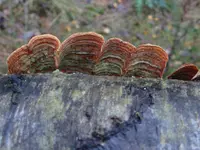
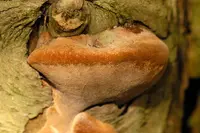
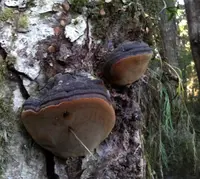
Robust bracket, Phellinus robustus, is a perennial wood-decay fungus that forms hard, hoof-shaped brackets on trunks and branches of mature broadleaf trees. The fruiting bodies are woody, brown to dark brown, and can persist for many years.

It occurs mainly in temperate regions, especially in Europe and North America, where it lives as a parasite and later a decomposer on oak and other hardwoods. Its slow, durable growth and reliance on established host trees make it unsuitable as a typical houseplant, so care for Robust Bracket focuses on supporting healthy host trees and leaving brackets undisturbed outdoors.

Main Plant Requirements

Care Difficulty

Moderate Care

Light Preference

Partial Shade

Water Requirements

Moderate Water

Temperature Preference

Cool Climate

Hardiness Zone

Unknown

Soil Texture

Loamy, Organic-rich

Soil pH

Slightly acidic (6.5–7.0)

Soil Drainage

Moist but well-drained

Fertilization

Minimal (feed rarely)

Get Personalized Care Plan

Scan your plant to receive care tips personalized for your specific plant

Available on iOS and Android

How to Care for the Robust Bracket

This wood-decay fungus favors stable, lightly shaded woodland light rather than full exposure.

  • Aim for bright dappled shade or high, open shade, with 2–4 hours of gentle morning sun and protection from intense afternoon sun.
  • Allow surrounding trees or shrubs to provide natural shade; Robust Bracket typically forms on trunks in woodland or park settings rather than in open fields.
  • Excessive direct sun and repeated drying of the host wood can slow fruiting, while deep, continuous shade under dense canopy can reduce spore production.

Moist but not waterlogged host wood supports stable fruiting of this bracket fungus.

  • Ensure the host tree or log stays in soil that drains freely; standing water around roots or timber for more than 24–48 hours increases rot patterns that may destabilize the host rather than support Phellinus robustus.
  • Allow the surrounding soil surface to dry slightly between rains or irrigations, roughly the top 2–5 cm, while avoiding prolonged drought that cracks bark and desiccates the wood.
  • Signs of excess moisture include soft, collapsing wood and foul odor, while very dry conditions lead to hardened, brittle brackets and reduced new growth along the colonized area.

This species is adapted to temperate climates with cool to mild seasonal variation.

  • Optimal activity occurs around 50–75°F (10–24°C), typical of shaded woodland conditions in spring and autumn.
  • Fruiting bodies tolerate short dips near 20–25°F (-6 to -4°C), but repeated hard freezes below 15°F (-9°C) can damage exposed brackets and slow internal spread.
  • Sustained heat above 85–90°F (29–32°C), especially combined with dry air and sun exposure, can dry and crack brackets, so partial shade and some ambient humidity help maintain structure.

Humidity is not a significant factor for Phellinus robustus, which naturally grows on dry, exposed wood.

Phellinus robustus develops on dead or living hardwood, so focus on mimicking firm, well-aerated woody conditions rather than conventional potting soil.

  • Use dense, seasoned hardwood logs or large branches rather than loose, crumbly substrates to support fungal colonization.
  • Ensure the wood remains well drained and not submerged; brief surface wetting is acceptable, but standing water around the log promotes competing fungi and rot.
  • Maintain slightly acidic to neutral conditions (pH about 5.5–7.0) by avoiding lime-treated lumber or alkaline concrete contact.
  • If using wood chunks in a container, pack them tightly to provide stable structure while leaving small air gaps for gas exchange.

This bracket fungus is not well suited to conventional container culture, since it naturally colonizes standing or fallen hardwood rather than soil-filled pots.

This bracket fungus develops on host trees and does not need supplemental fertilizer in typical landscape or woodland settings.

As a perennial wood-decaying bracket fungus, Phellinus robustus is not maintained through pruning in the way vascular plants are.

Transplanting is generally unnecessary because this fungus establishes directly on host tree wood rather than in containers or beds.

  • In managed settings, focus on tree health instead of moving existing brackets, which are firmly attached and integrated into the wood.
  • If removal is needed for safety or inspection, cut fruiting bodies flush with the trunk using a clean, sharp saw or chisel.
  • Disinfect tools with alcohol or a 10% bleach solution after cutting to limit spread of other pathogens.
  • Avoid wounding healthy trees when cutting brackets, as fresh injuries can create new infection courts for wood-decay organisms.

Intentional propagation of this wood-decaying fungus is rarely recommended outside research or specialized cultivation contexts.

This bracket fungus is naturally cold hardy and does not require special winter care in outdoor landscapes.

Care Tips

Select Correct Host

Establish this fungus on long-lived, non-high-value hardwoods such as oak or chestnut, since it is a heart-rot pathogen and can structurally weaken timber over time.

Use Clean Inoculum

Only use lab-cultured or reliably sourced, disease-free plug or wedge inoculum to reduce the risk of introducing unwanted fungi or wood-decay organisms when trying to grow Phellinus robustus.

Control Inoculation Sites

Drill small, clean holes at a controlled depth and spacing on the host trunk or log, then seal them with melted wax or tree-friendly sealant to protect the inoculation points from contamination and desiccation.

Monitor Structural Safety

Regularly inspect colonized trees for signs of internal decay such as hollows, cracking, or crown dieback, and consult an arborist if the host stands near buildings, paths, or parking areas.

Manage Spread Proactively

When caring for Robust Bracket in managed landscapes, remove and properly dispose of heavily infected branches or stumps if the goal is to limit further spread to nearby high-value trees.

Common Pests and Diseases

White rot on hardwood hosts

This disease develops in living or dead hardwood trees that host Phellinus robustus, causing a slow white rot of the heartwood. Symptoms include brittle, pale wood with a stringy texture and often a large, hard bracket conk on the trunk or large branches.

Solution

Management focuses on tree safety rather than curing the fungus: have an arborist inspect infected trees regularly, prune or cable branches that show internal decay, and remove severely weakened trees that pose a risk to people or structures. When planting new trees in high‑value sites, select less‑susceptible species and avoid wounding trunks or large limbs, since wounds make it easier for P. robustus to colonize.

Secondary bark cankers

This disease arises when the host tree, already colonized internally by Phellinus robustus, becomes stressed and develops sunken or cracked bark patches near infection sites. Symptoms include localized bark death, oozing, and reduced vigor in the affected limb.

Solution

Prune out affected branches during dry weather, cutting well back into healthy wood and disinfecting tools between cuts to limit spread of other fungi and bacteria. Reduce stress on the tree by avoiding soil compaction, correcting chronic drought with deep, infrequent watering, and monitoring for additional structural weakness caused by internal decay.

Wood‑boring beetles

These insects are attracted to weakened or dead wood in trees already affected by Phellinus robustus decay and tunnel through the heartwood and sapwood. Symptoms include small round exit holes, fine sawdust (frass), and further structural weakening of infected branches or trunks.

Solution

Remove and dispose of heavily infested deadwood and severely compromised limbs to reduce beetle breeding sites and improve safety. For high‑value trees, an arborist may recommend timing pruning to avoid peak beetle flight periods and, if regionally appropriate, using targeted trunk or bark treatments that specifically address wood‑boring beetles without harming surrounding vegetation.

Interesting Facts

Oak specialist fungus

This bracket fungus is strongly associated with mature oaks, where it acts mainly as a heart-rot pathogen, decomposing the inner dead and weakened wood while the outer living tissues can remain functional for many years.

Hard, hoof-like brackets

The fruiting bodies form very hard, woody, perennial brackets that resemble a horse’s hoof, often persisting on the same trunk for many years and adding new growth in layered zones.

White rot wood decay

It causes white rot, a decay type in which enzymes break down both lignin and cellulose, leaving the wood pale, stringy, and structurally weakened, which can eventually contribute to limb or trunk failure in affected trees.

Botan icon

Did you know?

This species is considered a bioindicator of long-term woodland continuity in parts of Europe, since it tends to occur on old, veteran oaks that have experienced minimal intensive management over many decades.

FAQs about Robust Bracket

This wood-decay fungus is best grown outdoors on dead or dying hardwood, where it can colonize logs or stumps. Indoors, it is difficult to maintain due to its need for natural airflow, fluctuating temperatures, and substantial woody substrate.

Grow Healthy Plants with Botan Care

Keep your plants happy and healthy with plant identification, disease detection, and easy care guidance.

Botan plant care app — identify plants on mobile

Explore More Plants