Mycena subcaerulea Care

Mycena subcaerulea

About Mycena subcaerulea

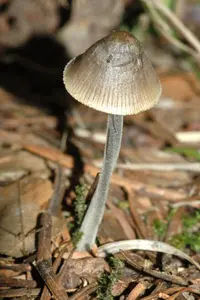
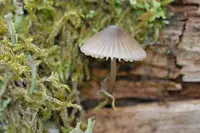
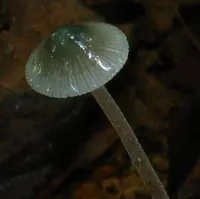
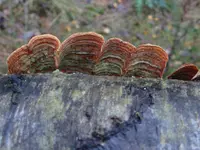
Mycena subcaerulea is a small saprophytic mushroom that feeds on decaying wood and leaf litter rather than living as a typical green plant. It produces delicate, slender stems with tiny blue‑tinged caps that appear in moist, shaded forest habitats.

This species is native to temperate woodlands, often emerging in clusters on fallen branches after rainy periods. It is considered challenging to cultivate because it depends on specific dead wood substrates, stable moisture, and cool, humid air.

For those who attempt to care for Mycena subcaerulea in controlled conditions, success usually depends on providing consistently damp, clean woody material, low light, and good air exchange without strong drafts.

Main Plant Requirements

Care Difficulty

Hard Care

Light Preference

Shade

Water Requirements

Keep Soil Moist

Temperature Preference

Cool Climate

Hardiness Zone

Unknown

Soil Texture

Loamy, Silty, Organic-rich

Soil pH

Strongly acidic (4.5–5.5), Acidic (5.5–6.5)

Soil Drainage

Moist but well-drained

Fertilization

Minimal (feed rarely)

Get Personalized Care Plan

Scan your plant to receive care tips personalized for your specific plant

Available on iOS and Android

How to Care for the Mycena subcaerulea

This small woodland fungus prefers cool, shaded conditions that mimic a moist forest floor.

  • Provide bright shade or dappled light under trees, avoiding direct midday sun, which can dry the substrate and bleach caps.
  • Aim for 0–2 hours of very soft early-morning sun at most; consistent filtered light through foliage is safer for Mycena subcaerulea.
  • In summer, increase shading to protect from intense sun; in autumn, slightly thinner canopy light is acceptable if the substrate stays moist.

Moist, not waterlogged, conditions are essential for this forest-floor mushroom.

  • Maintain evenly moist leaf litter or wood substrate; the surface should feel damp but not squishy when pressed with a finger.
  • Allow only the top 0.5–1 cm of substrate to begin drying before misting or gently watering, then stop when moisture reaches just below the surface.
  • Reduce watering during cool spells to prevent standing water, which leads to sour smell and slimy mycelium, signs of overwatering stress.

This species fruits best in cool to mild conditions typical of shaded woodland habitats.

  • Target an active growth range of 50–65°F (10–18°C), which supports stable mycelium development and reliable fruiting.
  • Avoid temperatures below 32°F (0°C); hard frost can kill exposed fruiting bodies, though protected mycelium may survive short cold snaps.
  • Limit exposure above 75°F (24°C); extended heat above 80°F (27°C) combined with low humidity dries the substrate and suppresses fruiting.

This small saprobic mushroom prefers consistently moist, humid air around the fruiting site.

  • Aim for ambient humidity around 70–90% in cultivation chambers or terrariums.
  • Dry air causes caps to shrivel, edges to crack, and pins to abort before maturing.
  • Increase humidity with a closed or partially covered container, frequent fine misting of the substrate (not the caps), and a humidifier nearby while maintaining some fresh air exchange.

This fungus fruits best on a loose, organic-rich substrate rather than typical garden soil.

  • Use a fine, well-aerated mix of decayed hardwood sawdust, leaf litter, and a small portion of sterilized compost, kept evenly moist but not waterlogged.
  • Ensure rapid drainage by adding coarse particles such as shredded bark or wood chips so excess water runs through quickly while the surface stays damp.
  • Maintain a slightly acidic to neutral environment (pH 5.5–7.0), avoiding liming agents that push pH too high and reduce fungal performance.
  • Avoid dense clay, heavily fertilized mixes, or sterile mineral substrates, which restrict air flow, trap water, and hinder Mycena subcaerulea mycelial spread.

This species can be grown in shallow containers that mimic a consistently damp forest floor.

  • Choose a broad, shallow tray to spread substrate in a thin layer, which stabilizes moisture while allowing enough surface for fruiting.
  • Select rigid plastic or glazed ceramic containers to slow evaporation and keep the microclimate stable around delicate caps.
  • Elevate the container and use a catch tray so brief pooling can drain away without saturating the substrate for long periods.

This delicate saprophytic fungus grows on decaying wood and usually needs no added fertilizer when the substrate is fresh and rich in organic matter.

As a short-lived mushroom, Mycena subcaerulea does not benefit from classic pruning, but light hygiene removal is useful in culture setups.

  • Remove collapsed, moldy, or decaying fruiting bodies with clean tweezers or scissors to limit contamination.
  • Cull overcrowded clusters if they touch and trap moisture, which can encourage bacterial or fungal rot.
  • Avoid cutting substrate or mycelium; disturbing these structures can reduce future fruiting and weaken the colony.

This species is typically cultured on sterilized wood-based substrates rather than grown as a potted plant, so management focuses on renewing or transferring colonized material.

  • Prepare fresh, pasteurized or sterilized hardwood chips or sawdust when the existing substrate is fully colonized and fruiting declines.
  • Transfer small chunks of colonized substrate onto the fresh medium, keeping handling gentle to limit mycelium breakage and stress.
  • Work during cooler, stable conditions, keeping the substrate evenly moist but not waterlogged to support recovery and recolonization.
  • Use clean tools and containers to reduce competing molds, which can quickly overwhelm slow-growing mycelium after transfer.

In practice, Mycena subcaerulea is propagated by mycelium transfer rather than by spores when consistent traits and reliable fruiting are desired.

  • Collect fully colonized substrate from healthy clusters during active growth, avoiding areas with discoloration or off smells.
  • Move small pieces of this substrate onto fresh, moist hardwood-based medium under clean conditions to reduce contamination risk.
  • Maintain cool, shaded conditions with high humidity and gentle air exchange to support steady mycelial spread.
  • Once the new substrate is well colonized, adjust airflow and surface moisture to encourage fruiting body formation.

Outdoor colonies on natural wood usually need no deliberate winter care, as the fungus survives mainly as mycelium within the substrate.

  • In cold climates, leave fallen logs or wood pieces undisturbed so the insulated interior protects the mycelium from freeze–thaw stress.
  • For container culture, keep colonized blocks in a cold but frost-free space around 34–45°F, with substrate slightly moist, not saturated.

Care Tips

Sterile substrate prep

Use pressure-sterilized or oven-pasteurized hardwood sawdust or fine wood shavings before inoculation to reduce competing fungi and bacteria that easily overtake this delicate species.

Thin, even layering

Spread colonized substrate in a very thin, even layer (0.5–1 cm) in shallow trays to support proper gas exchange and promote uniform, small fruiting bodies rather than dense, suffocating clumps.

Strict moisture control

Maintain a fine mist using a spray bottle or ultrasonic humidifier aimed away from the tray so surfaces stay moist but not glossy-wet, which helps caps form without collapsing or rotting.

Low-light orientation

Provide diffuse, indirect light from one consistent direction so the mushrooms orient upright rather than stretching or twisting, which keeps the delicate stems from kinking and falling over.

Short harvest window

Harvest clusters as soon as caps fully open but before edges curl upward, using clean tweezers or scissors to cut at the base, which limits decay and contamination in ongoing Mycena subcaerulea care instructions.

Common Pests and Diseases

Fungus gnats

This pest is attracted to damp, decaying organic matter around wild or cultivated fruiting bodies and may lay eggs in the moist substrate. Larvae can tunnel through soft fungal tissue and feeding adults can spread fungal spores and bacteria between colonies.

Solution

Reduce excess surface moisture around cultures, use fine-mesh covers on containers, and promptly remove decaying organic debris. In controlled setups for growing Mycena subcaerulea, use sticky traps to catch adults and allow the upper substrate layer to dry slightly between mistings while maintaining overall humidity.

Mite infestation

These insects are actually tiny arachnids that feed on fungal mycelium and gills, sometimes leaving pits, rough patches, or deformed caps. Symptoms include slowed colony expansion, patchy growth on the substrate, and fine moving dots visible under magnification or close inspection.

Solution

Isolate affected cultures, remove and discard heavily infested material, and improve hygiene by sterilizing or pasteurizing new substrates. In small indoor culture setups, reduce overcrowding, increase airflow, and use clean tools and containers to prevent reintroduction from contaminated materials.

Competitive mold contamination

This disease occurs when fast-growing molds such as Trichoderma or Penicillium colonize the substrate or fruiting area before or alongside the mycelium. Symptoms include fuzzy, often green, blue, or gray patches that overrun the delicate white mycelial network and suppress normal fruiting.

Solution

Discard heavily contaminated batches, as separation is rarely practical, and thoroughly clean or sterilize containers and tools before restarting. For future cultures, use properly pasteurized or sterilized substrate, minimize handling, and maintain good airflow without strong drafts to limit airborne spore load.

Bacterial blotch

This disease causes water-soaked, greasy-looking spots on caps and stems that may turn yellow-brown and emit an unpleasant odor. Symptoms include slimy patches where free water sits on fruiting bodies for extended periods, especially in stagnant, humid air.

Solution

Remove and discard affected fruiting bodies and reduce free water on caps by using gentler, indirect misting and better air exchange. Clean surrounding surfaces, lower humidity slightly while keeping the substrate from drying out, and avoid overhead water pooling on the mushrooms.

Interesting Facts

Distinct bluish tint

Fresh fruiting bodies often show a subtle bluish tone, especially on the cap and upper stem, which helps distinguish this species from many duller grey or brown Mycena relatives in the field.

Small forest decomposer

This species grows on decaying hardwood leaves and small woody debris in moist forests, playing a role in breaking down leaf litter and recycling nutrients back into the soil.

North American distribution

It is primarily documented from eastern North America, especially in mixed and deciduous woodlands, and is not considered a widespread cosmopolitan fungus.

FAQs about Mycena subcaerulea

Yes, this small mushroom can be cultivated in shallow containers if given consistently damp, sterile wood-based substrate and high humidity. It is short-lived and decorative, better suited to observation projects than long-term display plantings.

Grow Healthy Plants with Botan Care

Keep your plants happy and healthy with plant identification, disease detection, and easy care guidance.

Botan plant care app — identify plants on mobile

Explore More Plants