Sweet-scented Hellebore Care (Helleborus odorus)

Sweet-scented Hellebore

About Sweet-scented Hellebore

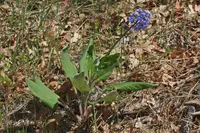
Sweet-scented hellebore, Helleborus odorus, is a perennial woodland plant grown mainly for its early, nodding flowers and persistent leathery foliage. It forms compact clumps with divided, dark green leaves that stay attractive through much of the year.

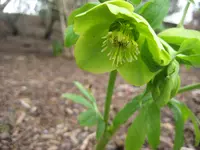
The flowers are usually soft green to yellowish, often lightly fragrant, appearing in late winter to early spring when few other plants bloom. It is native to parts of southeastern Europe, where it grows in open woods and shady slopes.

This species is generally long-lived and cold hardy but can be slow to establish. To care for Sweet-scented Hellebore, provide partial shade, evenly moist but well-drained soil, and protection from harsh, drying sun or wind.

Main Plant Requirements

Care Difficulty

Moderate Care

Light Preference

Partial Shade

Water Requirements

Moderate Water

Temperature Preference

Cold Hardy

Hardiness Zone

5–8

Soil Texture

Loamy, Clay, Organic-rich

Soil pH

Acidic (5.5–6.5), Slightly acidic (6.5–7.0)

Soil Drainage

Moist but well-drained

Fertilization

Minimal (feed rarely)

Get Personalized Care Plan

Scan your plant to receive care tips personalized for your specific plant

Available on iOS and Android

How to Care for the Sweet-scented Hellebore

This woodland perennial prefers soft light and protection from intense midday sun.

  • Provide 3–5 hours of gentle morning sun with bright dappled or open shade the rest of the day for Sweet-scented Hellebore.
  • Site plants where they receive high, filtered light under deciduous trees so winter and early-spring sun reaches them before the canopy fills in.
  • Avoid harsh afternoon sun, which can scorch foliage and dry soil quickly; too-deep shade leads to weak growth and fewer flowers.

This species likes consistently moist but not waterlogged soil, especially during active growth.

  • Water when the top 3–5 cm of soil feels barely dry, aiming for evenly moist soil during fall, winter, and early spring flowering.
  • Use well-drained, humus-rich soil; pooling water, sour smell, yellowing leaves, or blackened crowns indicate overwatering or poor drainage.
  • In summer heat, allow the surface to dry slightly deeper between waterings; drooping, dull foliage in dry soil signals that Helleborus odorus needs water.

This cold-hardy perennial tolerates winter chill but grows best in cool to mild conditions.

  • Optimal growth occurs around 45–65°F (7–18°C), with flowering often in late winter to early spring while temperatures are still low.
  • Plants tolerate winter lows near 5–10°F (-15 to -12°C) once established, especially with mulch protecting the root zone.
  • In summer, aim to keep roots cool when air temperatures rise above 80°F (27°C) by providing shade and organic mulch to reduce heat stress.

Humidity is rarely a concern for Helleborus odorus, which adapts well to typical outdoor levels in temperate regions.

Helleborus odorus prefers deep, moisture-retentive but free-draining soil with high organic content.

  • Use a loamy structure with plenty of leaf mold or compost to mimic woodland conditions and support root health.
  • Aim for slightly acidic to neutral pH, roughly 6.0–7.0, avoiding very alkaline or chalky ground unless heavily amended with organic matter.
  • Improve drainage and aeration by incorporating fine bark chips or grit into heavy clay, especially in wetter climates.
  • Avoid compacted, waterlogged, or very sandy soils that either suffocate roots or dry out too rapidly.

This species can be grown in containers outdoors if the pot supports its deep, slowly spreading root system.

  • Choose a tall, stable pot that is at least 30–35 cm deep to accommodate the plant’s deeper roots and prevent tipping in wind.
  • Use a heavy, frost-resistant container material that buffers temperature swings and anchors the plant’s evergreen winter growth.
  • Elevate the pot slightly on feet or bricks so drainage holes stay clear and winter wet does not accumulate under the base.

This species benefits from light, steady feeding rather than heavy fertilization.

  • Apply a balanced slow-release fertilizer (around 10-10-10) in early spring as new growth of Sweet-scented Hellebore emerges.
  • Top-dress annually with compost or well-rotted leaf mold to enrich soil and support long-term health.
  • Use fertilizer at 1/2 label strength in fertile garden soil to avoid excessive leafy growth.
  • Skip additional feeding in late fall and winter, when growth slows and nutrient demand is low.

Thoughtful pruning keeps Helleborus odorus healthy, tidy, and flowering well.

  • In late winter to very early spring, remove old, tattered, or diseased leaves at the base before flower stems elongate.
  • Cut off spent flower stems after blooming to direct energy back into the crown and roots.
  • Thin crowded or crossing foliage lightly to improve airflow and reduce fungal problems.
  • Use sharp, disinfected pruners and make clean cuts close to the base without damaging emerging shoots.

This hellebore prefers to stay undisturbed, so transplant only when clearly necessary.

  • Consider moving or dividing plants only every 5–7 years, when clumps are congested or flowering declines.
  • Transplant Helleborus odorus in early spring or early fall, avoiding hot, dry weather to reduce stress.
  • Lift with a wide root ball, keep as much soil around the roots as possible, and replant at the same depth.
  • Water thoroughly after planting, shade lightly for 1–2 weeks, and keep soil evenly moist until new growth resumes.

Propagation is usually done by division or seed, each with different timing and expectations.

  • Divide mature clumps of Helleborus odorus in early fall, when soil is moist and temperatures are mild.
  • Lift the plant carefully, then split into large pieces with at least 2–3 buds and a solid root mass each.
  • Replant divisions immediately in humus-rich, well-drained soil and water consistently until established.
  • For seed propagation, sow fresh seed in pots outdoors, allowing natural cold stratification over winter.

This hellebore is cold hardy and usually needs minimal winter care in most temperate gardens.

  • Tolerates typical winter frosts in USDA zones 5–8, though flowers may scorch in severe cold snaps.
  • Apply a 5–8 cm layer of leaf mold or compost mulch around the root zone in late fall, keeping it off the crown.
  • Leave evergreen foliage for extra protection, cutting back only leaves that are diseased or severely damaged.
  • In very cold regions, overwinter container plants in a sheltered, unheated space that stays just above freezing.

Care Tips

Deep mulch ring

Maintain a 5–8 cm ring of leaf mold or composted bark around the crown each autumn to keep roots cool, conserve moisture, and protect emerging buds from winter heave without burying the crown itself.

Seedling self-thinning

If seedlings carpet the soil around established plants, remove the weaker ones in late spring and leave only a few strong, well-spaced seedlings so they do not compete with the mother plant for nutrients and light.

Winter bud protection

In very cold, exposed sites, place a low, breathable barrier like evergreen boughs or horticultural fleece over the clump during hard freezes to shield fat buds and early flowers from windburn and ice damage.

Targeted deadheading

After flowering, cut off spent flower stems at the base while leaving healthy foliage intact, which reduces unwanted self-seeding and directs the plant’s energy into root and leaf growth.

Divide only when necessary

Divide mature clumps only if flowering declines or the crown becomes congested, doing so in early spring with a sharp, clean spade and replanting divisions immediately at the same depth to maintain vigor when caring for Sweet-scented Hellebore.

Common Pests and Diseases

Black death

This disease causes severe black streaking and mottling on leaves, stems, and sometimes flowers, leading to plant decline. Symptoms include stunted growth and distorted, misshapen foliage.

Solution

Remove and destroy any plants showing clear symptoms, including nearby plant debris, as there is no reliable cure. Disinfect tools, avoid dividing or propagating from suspect plants, and control sap-sucking insects that can spread the virus-like agent to reduce risk when caring for Sweet-scented Hellebore.

Leaf spot

This disease produces brown to black spots with possible yellow halos on older leaves, which may merge into larger blotches. Symptoms include premature leaf yellowing and cosmetic damage to the plant.

Solution

Cut off and dispose of affected leaves, keeping the crown area clear of old foliage and debris. Improve air circulation, avoid overhead watering, and, in severe or repeated cases, apply a suitable ornamental fungicide labeled for leaf spots, following label directions carefully.

Downy mildew

This disease appears as pale, yellowish patches on the upper leaf surface with a grayish to white downy growth underneath. Symptoms include distorted leaves that may curl, thicken, and eventually drop.

Solution

Remove and dispose of heavily infected leaves and reduce leaf wetness by watering at soil level. Increase spacing and airflow around plants, and use a registered downy mildew fungicide on surrounding healthy foliage if conditions remain cool and humid.

Aphids

These insects cluster on new growth and flower stalks, sucking sap and causing distorted leaves and sticky honeydew deposits. This pest can also transmit viruses between hellebores and nearby plants.

Solution

Wash colonies off gently with a strong stream of water and pinch off heavily infested soft tips. If populations persist, apply insecticidal soap or a light horticultural oil, ensuring thorough coverage of stems and the undersides of leaves while avoiding applications in high heat or direct midday sun.

Vine weevils

This pest causes notched feeding damage along leaf edges by adults, while larvae feed on roots and crowns, leading to wilting or sudden collapse. Symptoms include plants that seem loose in the soil and fail to thrive despite adequate moisture.

Solution

Inspect pots and soil around crowns for white, C-shaped grubs and remove them by hand. In container or garden settings, use biological controls such as beneficial nematodes targeting vine weevil larvae, and at night hand-pick adult beetles from foliage or use physical barriers around pots to reduce reinfestation.

Interesting Facts

Early-spring nectar source

This species flowers very early in late winter to early spring, providing one of the first reliable nectar and pollen sources for emerging bees in its native Balkan habitats.

Distinct spicy fragrance

Unlike many hellebore species, its greenish-yellow flowers have a noticeable sweet, spicy scent, which likely helps attract early-season pollinators when few other blooms are available.

Preference for limestone soils

In the wild it often grows on calcareous, limestone-rich substrates in open woodlands and forest edges, reflecting an adaptation to alkaline to neutral soils rather than acidic ones.

Botan icon

Did you know?

Genetic and morphological studies place this species within a small group of green-flowered, fragrant hellebores, and it naturally hybridizes with close relatives such as Helleborus cyclophyllus and Helleborus odorus subsp. cyclophyllus, contributing to complex variation in wild Balkan hellebore populations.

FAQs about Sweet-scented Hellebore

This species is semi-evergreen in many climates. Old foliage often looks tired after winter but is usually replaced by fresh leaves in late winter or early spring, especially in cooler, temperate regions with consistent moisture.

Grow Healthy Plants with Botan Care

Keep your plants happy and healthy with plant identification, disease detection, and easy care guidance.

Botan plant care app — identify plants on mobile

Explore More Plants