Helminthosphaeria clavariarum Care

Helminthosphaeria clavariarum

About Helminthosphaeria clavariarum

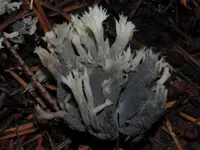
Helminthosphaeria clavariarum is not a typical ornamental plant but a small, specialized fungus associated with other fungi, rather than a leafy green plant. It usually appears as dark, minute fruiting structures on decaying club or coral fungi in forest habitats.

This species occurs mainly in temperate woodlands, where humidity and organic debris support its life cycle. It is of interest mostly to mycologists and advanced enthusiasts, since it is not practical to cultivate or use decoratively.

For those who still wish to explore how to care for Helminthosphaeria clavariarum, conditions that mimic cool, moist woodland litter with stable humidity are most relevant, though consistent success remains challenging.

Main Plant Requirements

Care Difficulty

Moderate Care

Light Preference

Partial Shade

Water Requirements

Moderate Water

Temperature Preference

Warm Climate

Hardiness Zone

Unknown

Soil Texture

Loamy

Soil pH

Slightly acidic (6.5–7.0)

Soil Drainage

Well-drained

Fertilization

Minimal (feed rarely)

Get Personalized Care Plan

Scan your plant to receive care tips personalized for your specific plant

Available on iOS and Android

How to Care for the Helminthosphaeria clavariarum

This fungus is typically found on decaying plant material in cool, shaded woodland conditions.

  • Provide bright but fully indirect light, such as dappled forest shade or consistent shade with only brief early-morning sun (1–2 hours).
  • Avoid direct midday or afternoon sun, which can dry out substrates and damage associated host material; aim for filtered light under trees or shade cloth.
  • In summer, protect from strong sun and drying winds; in winter, allow more open shade so substrates still receive diffuse daylight for several hours.

Moisture conditions should mimic a cool, consistently damp forest floor without waterlogging.

  • Keep the substrate evenly moist, allowing only the top 1–2 cm to begin to dry before re-moistening, especially during active fruiting periods.
  • Use a loose, well-draining mix of decaying wood, leaves, and soil so excess water drains away, reducing the risk of mold, foul odor, and collapse of fruiting structures.
  • In warmer months, monitor more often and increase misting or light watering; in cooler seasons reduce frequency but prevent the substrate from fully drying out.

Stable, cool to mild temperatures support the best development of this wood-inhabiting fungus.

  • Aim for 55–70°F (13–21°C) for steady growth, avoiding rapid swings that dry the substrate or stress the mycelium.
  • Protect from frost below 32°F (0°C), which can damage fruiting bodies, and from prolonged heat above 80°F (27°C), which speeds drying and may halt development.
  • In hot summers, provide deep shade and higher humidity to offset heat; in cooler seasons, shelter from freezing winds while allowing natural temperature fluctuations.

Humidity is not a key factor for Helminthosphaeria clavariarum in typical outdoor conditions.

This fungus develops best on consistently moist, well-aerated organic substrates rather than true mineral soil.

  • Use a loose, crumbly, high-organic substrate such as decaying wood chips, leaf litter, or composted bark to mimic natural conditions.
  • Ensure rapid drainage so the substrate stays moist but never waterlogged, which encourages competing molds and bacterial rot.
  • Maintain slightly acidic conditions around pH 5.0–6.5 by using conifer bark, leaf mold, or peat-based components.
  • Avoid compacted, clay-heavy, or sterile potting mixes, since low aeration and low organic matter strongly limit fruiting and mycelial spread.

This species is not well suited to conventional ornamental container growing but can be maintained experimentally in trays or boxes.

  • Use broad, shallow containers to spread a thick layer of woody or leaf-based substrate that supports surface colonization and fruiting.
  • Choose rigid plastic or wood boxes that retain moisture evenly yet have side or base perforations to prevent stagnant water pockets.
  • Raise containers slightly off the ground to improve air movement around drainage holes and reduce colonization by aggressive soil fungi.

This fungus typically grows on decaying plant material and does not require intentional fertilization in cultivation.

Helminthosphaeria clavariarum is not managed like a garden shrub, so intentional pruning is generally unnecessary.

When grown in research or specialty culture, this fungus is moved mainly to refresh substrate rather than for pot size.

  • Transplant or replate when growth slows, the substrate is exhausted, or contamination appears.
  • Time moves for mild conditions, avoiding temperature or moisture extremes during handling.
  • Shift to fresh, sterile, well-drained organic substrate similar to its natural woody host material.
  • Handle mycelium and substrate gently, minimizing disturbance and keeping humidity stable afterward.

Propagation of Helminthosphaeria clavariarum is typically a specialist task performed in laboratory or controlled culture settings.

In natural conditions this fungus overwinters within host debris and generally needs no deliberate winter care.

Care Tips

Host selection

Establish this fungus on naturally occurring, already-decaying club-shaped fungi or similar saprophytic hosts from the same site rather than moving foreign substrates, which reduces the risk of introducing pathogens or incompatible microbes.

Moisture staging

Arrange host material in a shaded, sheltered microhabitat with layered leaf litter above and below it so moisture is buffered after rain but surfaces still dry slightly between wet periods, which supports fruiting without promoting rot of the substrate base.

Low-disturbance access

When monitoring or documenting fruiting bodies, step on stable stones or boards placed in advance and avoid treading directly on the surrounding mycelial zone so the fine feeding network in upper soil and litter is not compacted or crushed.

Seasonal substrate renewal

Once the original host bodies are visibly exhausted and collapse, add fresh compatible host material nearby rather than on top of existing growth so new colonization can occur without smothering active mycelium.

Targeted documentation

Use close-range photography and notes on host species, moisture level, and surrounding vegetation each season; this record helps refine site management and timing when growing Helminthosphaeria clavariarum in the same locality over multiple years.

Common Pests and Diseases

Mycophagous springtails

These insects feed on fungal tissues and can be seen moving in groups over the fruiting bodies in very moist substrates. This pest may scar or partially consume young, tender stromata, reducing their visibility and longevity.

Solution

Reduce excess surface moisture and improve aeration of the substrate so it remains slightly damp rather than waterlogged, which lowers springtail numbers naturally. If populations are high, physically flush them from the surface with a gentle stream of water and allow the surface to dry slightly between mistings while monitoring for recurring activity.

Fungus gnats

These insects are attracted to persistently wet, fungus-rich substrates and their larvae feed within the upper layer of the medium. This pest can disturb and graze on developing stromata, especially in container or terrarium culture.

Solution

Allow the top layer of the substrate to dry slightly between waterings while keeping deeper layers moist to discourage egg laying. Use fine mesh over ventilation openings, introduce yellow sticky traps to capture adults, and, if needed, apply a biological larvicide based on Bacillus thuringiensis israelensis (BTI) to target larvae without harming the fungus.

Competing saprophytic molds

This disease complex involves fast-growing molds that colonize the same decaying organic matter and can overrun slower-forming stromata. Symptoms include fuzzy white, gray, or green patches that cover or displace the characteristic black structures.

Solution

Remove and discard heavily overgrown substrate sections and reduce overall moisture to the lowest level that still supports the desired fungus. Improve air exchange, thin dense organic layers, and, when possible, start with fresh, well-pasteurized substrate to reduce initial mold load and support more stable Helminthosphaeria clavariarum care.

Interesting Facts

Specialized coral fungus parasite

This species is a highly specialized parasite that grows almost exclusively on the fruiting bodies of coral fungi in the genus Clavaria, rather than on wood, soil, or living plants like many other ascomycete fungi.

Black coating on host

Its dark fruiting structures form a dense, velvety or granular black coating over the delicate coral clubs of its host, often obscuring the original color and shape of the Clavaria basidiocarps.

European distribution pattern

It is mainly recorded from temperate Europe, where it appears in grasslands and mossy habitats wherever suitable Clavaria hosts occur, and its presence often indicates a relatively undisturbed, semi-natural grassland mycobiota.

FAQs about Helminthosphaeria clavariarum

Yes, this fungus develops from spores, which function like seeds. In cultivation, it is typically propagated by introducing colonized substrate or spore slurry onto suitable decaying wood or soil rich in decomposing organic matter.

Grow Healthy Plants with Botan Care

Keep your plants happy and healthy with plant identification, disease detection, and easy care guidance.

Botan plant care app — identify plants on mobile

Explore More Plants