Substrate hygiene
Remove spent mushroom tissue and any slimy or moldy substrate promptly, and replace with fresh, pasteurized material to reduce contamination pressure and keep future fruiting bodies healthier.

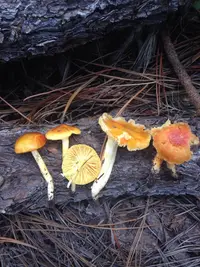
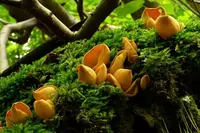
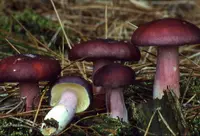
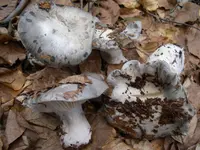
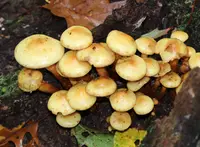
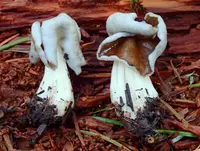
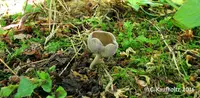
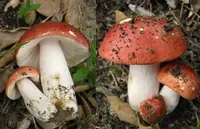
Coppery waxcap, Hygrophorus siccipes, is a small, fleshy mushroom rather than a leafy houseplant. It forms smooth, moist caps in warm copper to orange-brown tones with pale gills and a slender stem.
This species typically appears in grassland, mossy clearings, or light woodland, often in unimproved or low-fertilizer soils. It fruits seasonally in cool, damp conditions and does not adapt well to typical indoor or container culture.
Because it has a specific relationship with soil conditions and surrounding vegetation, it is considered challenging to cultivate deliberately. Most people who want to care for Coppery Waxcap focus on maintaining suitable habitat rather than growing it like a conventional garden plant.

Care Difficulty
Hard Care

Light Preference
Partial Shade

Water Requirements
Keep Soil Moist

Temperature Preference
Cool Climate

Hardiness Zone
Unknown

Soil Texture
Loamy, Silty, Organic-rich

Soil pH
Acidic (5.5–6.5)

Soil Drainage
Moist but well-drained

Fertilization
Minimal (feed rarely)
Scan your plant to receive care tips personalized for your specific plant
Available on iOS and Android
This woodland fungus prefers cool, gentle light rather than strong direct sun.
This mycorrhizal fungus depends on consistently moist, not saturated, soil around its host trees.
This species fruits best in cool to mild conditions typical of autumn woodlands.
This woodland fungus prefers consistently moist air but tolerates short dry spells if substrate moisture is stable.
Hygrophorus siccipes develops best in loose, humus-rich forest-type substrate with steady moisture and strong air exchange.
This species is not well suited to conventional decorative container growing, but can be trialed in controlled tubs or boxes for experimental culture.
Hygrophorus siccipes, the Coppery Waxcap, is a wild mycorrhizal fungus that does not need or benefit from added fertilizer in garden settings.
Pruning is not a standard practice for Hygrophorus siccipes, as it is a mushroom rather than a conventional garden plant.
Hygrophorus siccipes is not suited to typical repotting and is rarely maintained in containers, so focus is on careful habitat-aware transplanting attempts.
Propagation of Hygrophorus siccipes is highly specialized and not reliably achieved through standard home methods.
Hygrophorus siccipes is typically cold hardy in its natural range and needs no special winter care in the ground.

Plant Health Check
Not sure what's wrong with your plant? Check your plant's health inside the app.
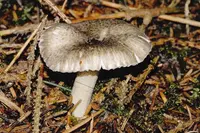
Mature fruiting bodies often show a dry to slightly scurfy cap surface rather than the strongly viscid, slimy caps typical of many related Hygrophorus species, which is one of the field characters used to separate it from close relatives.
This fungus forms ectomycorrhizal associations with conifer roots, exchanging mineral nutrients and water for plant-derived sugars, and is most often documented in montane coniferous forests.
Identification is supported by its relatively narrow, smooth basidiospores and specific arrangement of tissues in the cap cuticle, features that distinguish it from superficially similar waxcap mushrooms.
This species is generally regarded as inedible or of very poor culinary value. It is not known to be dangerously toxic, but identification mistakes with similar mushrooms can be serious, so it is best not to eat it.
Keep your plants happy and healthy with plant identification, disease detection, and easy care guidance.