Helvella fibrosa Care

Helvella fibrosa

About Helvella fibrosa

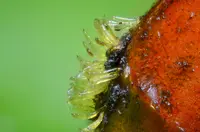
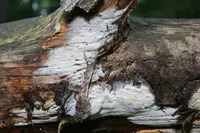
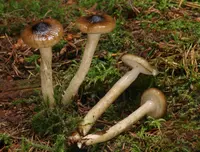
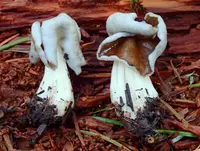
Helvella fibrosa is a small, irregularly shaped fungus rather than a typical leafy plant. It produces pale to grayish, saddle-like or contorted caps on slender stems. The fruiting bodies usually appear on soil or decaying organic matter in woodland habitats, often in temperate regions.

This species is not commonly cultivated and is mainly of interest to mushroom enthusiasts and field mycologists. For anyone trying to care for Helvella fibrosa, it is important to understand that it relies on complex relationships with soil and surrounding plants, so it is not suited to normal garden or indoor culture.

Main Plant Requirements

Care Difficulty

Hard Care

Light Preference

Partial Shade

Water Requirements

Regular Water

Temperature Preference

Cool Climate

Hardiness Zone

Unknown

Soil Texture

Loamy, Silty, Organic-rich

Soil pH

Acidic (5.5–6.5), Slightly acidic (6.5–7.0)

Soil Drainage

Moist but well-drained

Fertilization

Minimal (feed rarely)

Get Personalized Care Plan

Scan your plant to receive care tips personalized for your specific plant

Available on iOS and Android

How to Care for the Helvella fibrosa

This fungus is a woodland species that relies on dappled forest light rather than direct, open sun.

  • Provide bright, dappled shade under deciduous trees, mimicking light levels of an open woodland floor with 2–4 hours of gentle morning sun at most.
  • Avoid strong midday and afternoon sun, which can dry the substrate and damage the delicate fruiting bodies; use leaf litter or low shrubs to diffuse light.
  • In summer, ensure consistent shade when tree canopies thin or are pruned; in cooler months, brief increased light is usually tolerated if the ground stays moist.

Moist, well-drained woodland soil is critical for the mycelium that produces Helvella fibrosa fruiting bodies.

  • Keep the upper 2–5 cm of soil consistently moist but never waterlogged, using leaf litter or mulch to reduce evaporation and stabilize moisture.
  • Increase watering during dry, warm spells if the soil surface turns pale, hard, or dusty, applying water slowly so it soaks in without pooling.
  • Reduce supplemental water in cool, wet seasons; persistent surface puddles, algae growth, or sour smells indicate excess moisture and poor drainage.

This woodland fungus performs best in cool to mild conditions with stable, moist soil.

  • Optimal fruiting usually occurs around 50–68°F (10–20°C), with steady moisture and protection from rapid temperature swings at the soil surface.
  • The mycelium can often survive down to around 23–28°F (-5–-2°C) if insulated by litter or snow, but exposed fruiting bodies are easily damaged by hard frost.
  • Prolonged heat above 77–82°F (25–28°C) with dry soil suppresses growth; provide shade, mulch, and moisture to buffer hot spells in late spring and summer.

This fungus does not rely on indoor air humidity control but on naturally moist outdoor conditions.

  • Fruiting bodies appear most reliably when air humidity stays high, roughly 70–90%, combined with consistently damp substrate.
  • Dry air combined with drying soil causes caps to shrivel quickly and abort before maturing.
  • Maintain humidity by keeping the surrounding ground evenly moist with light, frequent watering rather than misting the air.

Helvella fibrosa develops best in loose, well-aerated, organic-rich ground rather than dense or compacted soil.

  • Use a crumbly loam rich in leaf litter or compost, mimicking a forest-floor texture that holds moisture yet stays airy.
  • Ensure rapid drainage by avoiding heavy clay and by incorporating coarse sand or fine bark chips to create macropores for air movement.
  • Aim for slightly acidic to neutral conditions, roughly pH 5.5–7.0, since strongly alkaline soil can suppress fungal activity and fruiting.
  • Avoid waterlogged, stagnant sites; if drainage is slow, raise the bed slightly and mix in extra coarse material to prevent anaerobic conditions.

This species is not suitable for conventional container growing because it depends on complex soil and environmental interactions in the ground.

This mycorrhizal fungus grows in nutrient-balanced woodland soils and does not need added fertilizer in cultivation.

Helvella fibrosa does not benefit from conventional pruning, as it is a wild mycorrhizal fungus rather than an ornamental garden plant.

This species is not suited to normal repotting, since Helvella fibrosa depends on a stable mycorrhizal partnership with host tree roots.

  • Avoid container culture; instead, leave existing colonies undisturbed around compatible trees in well-drained soil.
  • Do not attempt frequent transplanting, as disturbing the fungal mycelium greatly reduces survival.
  • If relocation is unavoidable, move a generous plug of intact soil and roots during cool, moist weather.
  • Keep the soil patch evenly moist after moving, and shade from direct sun to limit additional stress.

Propagation of Helvella fibrosa is technically complex and rarely successful for home growers.

This temperate woodland fungus is naturally cold hardy and needs no special winter care when left in its native soil habitat.

Care Tips

Substrate inoculation

Introduce this fungus by mixing colonized substrate or pieces of a known fruiting patch into moist, undisturbed soil rich in leaf litter near suitable host trees instead of simply scattering spores on the surface.

Host tree selection

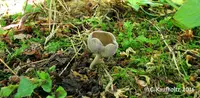
Encourage fruiting by establishing or using existing stands of compatible broadleaf trees, then avoid root disturbance and heavy mulching directly over the fine feeder root zone where the fungus forms mycorrhizae, the nutrient-exchanging root–fungus partnership.

Moisture buffering layer

Maintain a thin, loose layer of leaf litter or partially decomposed hardwood chips over the site to buffer moisture and temperature without compacting, which supports stable mycelium growth and reduces desiccation between rains.

Low-disturbance management

Keep traffic, digging, raking, and pet activity away from colonized areas, and if you harvest, cut fruiting bodies at the base instead of pulling to reduce mechanical damage to the mycelium network.

Seasonal monitoring

During the typical fruiting period in your region, inspect the site after steady rain and mild temperatures so you can document where and when it fruits, then use that record to fine‑tune future caring for Helvella fibrosa at the same location.

Common Pests and Diseases

Mycophagous springtails

These insects feed on fungal tissue and can graze developing fruiting bodies, leaving pits and deformities on the caps and stems. This pest is most noticeable in very damp, organic-rich substrates where the fungus is fruiting.

Solution

Reduce excess surface moisture by improving drainage and limiting overwatering of the surrounding substrate, and gently disturb or remove heavily infested leaf litter where the mushrooms emerge. For severe grazing in cultivation trays, allow the substrate surface to dry slightly between mistings and use fine mesh or physical barriers to reduce access while maintaining normal air exchange.

Mycophagous mites

These insects consume hyphae and young fruiting bodies, causing stunted, misshapen, or partially collapsed caps in dense, moist litter or culture beds. Symptoms include fine scars, pitting, and localized browning on the fruiting bodies.

Solution

Lower humidity slightly, increase air movement over the fruiting area, and remove heavily damaged mushrooms and surrounding debris to reduce mite habitat. In controlled cultivation, bake or pressure-sterilize new substrates before use and, if needed, apply horticultural oil or soap sprays to nearby non-fungal vegetation rather than directly on the mushrooms to keep mite populations down without contaminating the crop.

Parasitic fungi

This disease is caused by other fungi that colonize the apothecia or underlying mycelium, producing discolored patches, fuzzy overgrowth, or distorted fruiting bodies. Symptoms include uneven coloration, soft areas, and premature collapse of the mushrooms.

Solution

Promptly remove and discard any fruiting bodies that show abnormal overgrowth, discoloration, or moldy surfaces, along with a thin layer of surrounding substrate. In cultivation setups, lower overall humidity slightly, increase ventilation, avoid splashing water directly onto the fungi, and rotate or rest contaminated beds rather than repeatedly fruiting from heavily infected substrate, which supports more stable Helvella fibrosa care.

Interesting Facts

Confusing taxonomic history

Helvella fibrosa has a complex taxonomic history and was long confused with other Helvella species until careful microscopic study of its spores and tissues clarified its identity.

Specialized forest habitat

This species is typically found on soil in mixed or coniferous forests, often among mosses and leaf litter, showing a preference for cool, moist, undisturbed woodland habitats.

Distinctive cup morphology

Its fruiting body forms a shallow, irregular cup with a pale to grayish, sometimes slightly woolly exterior, while the inner spore-bearing surface is smoother and darker, a combination used for field identification.

FAQs about Helvella fibrosa

This fungus is not recommended for eating. Many Helvella species contain unstable toxins that may cause serious illness even after cooking. Treat it as inedible and avoid collecting it for food or medicinal use.

Grow Healthy Plants with Botan Care

Keep your plants happy and healthy with plant identification, disease detection, and easy care guidance.

Botan plant care app — identify plants on mobile

Explore More Plants