Fluted Brown Elfin Saddle Care (Helvella maculata)

Fluted Brown Elfin Saddle

About Fluted Brown Elfin Saddle

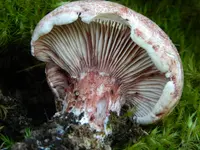
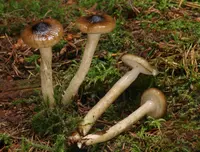
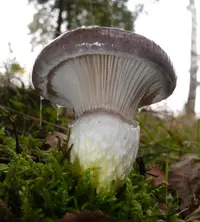
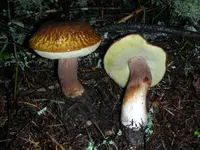
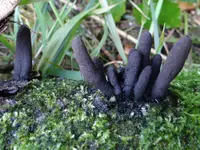
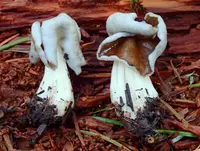
Fluted brown elfin saddle (Helvella maculata) is a small, unusual fungus, not a typical leafy plant. It forms fluted, saddle-shaped caps in pale brown to gray tones on slender, often twisted stems.

This species usually appears in forests of North America and Europe, often among moss, leaf litter, or near conifers. It can be unpredictable and short-lived, which makes it challenging to cultivate at home.

Those looking to learn how to care for Fluted Brown Elfin Saddle should know it relies on complex relationships with soil and nearby trees, so it is generally left to grow in natural habitats rather than in pots or garden beds.

Main Plant Requirements

Care Difficulty

Hard Care

Light Preference

Partial Shade

Water Requirements

Regular Water

Temperature Preference

Cool Climate

Hardiness Zone

Unknown

Soil Texture

Loamy, Silty, Organic-rich

Soil pH

Acidic (5.5–6.5)

Soil Drainage

Moist but well-drained

Fertilization

Minimal (feed rarely)

Get Personalized Care Plan

Scan your plant to receive care tips personalized for your specific plant

Available on iOS and Android

How to Care for the Fluted Brown Elfin Saddle

This woodland fungus prefers cool, softly lit habitats rather than direct, intense sun.

  • Provide dappled or filtered light under deciduous trees, with about 2–4 hours of gentle morning sun and full shade by early afternoon.
  • Avoid strong midday and afternoon sun, which can dry the forest floor, overheat the substrate, and reduce Fluted Brown Elfin Saddle fruiting.
  • In summer, ensure a thicker leaf-litter or understory cover for shade; in spring and fall, slightly more open canopy light is acceptable if soil stays moist.

This ectomycorrhizal fungus depends on consistently moist, not saturated, soil conditions in its woodland habitat.

  • Aim for evenly moist mineral soil with a loose leaf-litter layer; the top 2–3 cm should feel slightly damp but not muddy when pressed.
  • In rainy seasons, focus on drainage so water does not pool for more than 24 hours, which encourages anaerobic conditions and rot of Helvella maculata tissues.
  • During extended dry spells, supplemental irrigation can be applied to the surrounding forest floor, mimicking a gentle, thorough rainfall rather than frequent light sprinkling.

This species develops best in cool to mild conditions typical of temperate forests.

  • Optimal fruiting usually occurs around 50–68°F (10–20°C), especially when paired with moist soil and stable shade.
  • The organism in the soil can tolerate down to about 23–28°F (-5–-2°C), but visible fruiting bodies are damaged by hard frost below 28°F (-2°C).
  • Sustained heat above 77–82°F (25–28°C) with dry soil sharply reduces fruiting; cooler, shaded microsites and adequate moisture buffer short warm spells.

Humidity plays only a minor role for Helvella maculata, which is adapted to outdoor woodland conditions.

  • Tolerates a wide humidity range, roughly 40–80%, provided the substrate is not waterlogged.
  • Shows humidity stress mainly through persistent soggy or slimy tissue rather than dry shriveling.
  • In cultivation, focus on maintaining evenly moist, airy ground instead of raising ambient humidity for Fluted Brown Elfin Saddle.

This fungus relies on specific outdoor soils and cannot be managed like a typical potted plant.

  • Prefers loose, well-drained, organic-rich woodland soil with leaf litter and small twigs that retain moisture but never stay saturated.
  • Often occurs in slightly acidic to neutral conditions, roughly pH 5.5–7.0, where decaying plant material is abundant.
  • Avoid heavy clay, compacted ground, or areas with standing water, which reduce oxygen and increase rot in the fungal mycelium.
  • To improve drainage and aeration in a planting area, work in shredded leaf mold, fine bark, and coarse sand rather than dense compost alone for Helvella maculata.

This species is not suitable for container growing because it depends on complex soil and root interactions in the ground.

Helvella maculata is a wild, mycorrhizal fungus that gains nutrients through soil and root partnerships, so added fertilizer is usually unnecessary.

Helvella maculata does not require structured pruning, but spending a moment on cleanup supports hygiene and spore spread.

  • Cut or pinch off collapsed, moldy, or insect-damaged fruiting bodies at the base using clean scissors or a knife.
  • Remove only clearly decayed tissue so remaining mushrooms can mature and release spores naturally.
  • Avoid disturbing surrounding leaf litter and soil, which host the fungal mycelium and support future fruiting.

This fungus is seldom grown in pots; management focuses on gently transplanting or leaving existing colonies undisturbed.

  • Transplant only if a colony is at risk from construction or heavy disturbance, since moving fungi often fails.
  • Best timing is during cool, moist weather in fall, moving both soil and leaf litter containing the mycelium.
  • Lift a generous soil block with minimal breakage, then replant at the same depth and orientation.
  • Water lightly after transplanting to settle soil, then keep the site evenly moist to reduce stress on the mycelial network.

Helvella maculata propagation is complex and usually left to natural spore dispersal and mycorrhizal associations with host trees.

This species is cold hardy and usually needs no active winter care once established in suitable woodland or garden soil.

Care Tips

Retain Ground Cover

Leave a layer of fine leaf litter and well-decayed wood fragments around the fruiting area to protect the mycelium from drying and mechanical damage while still allowing good air exchange.

Minimize Soil Disturbance

Avoid digging, raking, or compacting the soil where fruiting bodies appear, and use narrow stepping stones or boards if access is needed so the underground network stays intact.

Use Gentle Marking

Mark known fruiting spots with low-profile stakes or flat tags so the area is not accidentally mown, tilled, or heavily walked on during the off-season.

Control Competition

Remove dense, shallow-rooted groundcovers or thick moss mats by hand around established colonies, keeping a 20–30 cm buffer so nearby tree roots and fungal partners are not damaged.

Monitor Seasonal Patterns

Keep simple notes or photos of when and where mushrooms appear each year, as this helps refine irrigation timing, access routes, and habitat protection for Helvella maculata care.

Common Pests and Diseases

Slug and snail grazing

This pest mainly targets moist, decaying mushroom tissue and young fruiting bodies, leaving irregular bites and shredded or missing caps. Symptoms include slime trails on or around the fungi and rapid collapse of small mushrooms after emergence.

Solution

Hand-pick slugs and snails in the evening or early morning, use simple barriers like copper tape or rough grit around key fruiting areas, and reduce dense groundcover that shelters them. In garden or educational cultivation plots, beer traps or iron phosphate slug baits can be used carefully, following label directions and keeping them away from children and pets.

Fungivorous fly larvae

These insects lay eggs on or near fruiting bodies, and the emerging larvae tunnel through the caps and stalks, causing soft, mushy spots and rapid disintegration. Symptoms include small holes, internal maggots, and premature collapse of the mushrooms.

Solution

Remove and dispose of heavily infested mushrooms as soon as tunneling is seen to break the life cycle. In managed beds used to grow Helvella maculata, maintain good sanitation by clearing spent fruiting bodies promptly and use fine mesh covers over small patches if repeated infestations occur.

Drying and sun scorch

This disorder occurs when exposed fruiting bodies face direct sun and dry, windy conditions, leading to shriveled, cracked, or bleached caps and stems. Symptoms include leathery texture and rapid loss of the characteristic fluted shape.

Solution

Site any intentional observing or growing areas for Helvella maculata in partial shade with consistent soil moisture and a protective leaf litter layer. Avoid disturbing canopy cover and organic mulch so the fungus develops in a cooler, more humid microclimate that limits desiccation damage.

Secondary mold colonization

This disease involves opportunistic molds growing over damaged or aging fruiting bodies, covering them with gray, white, or green fuzzy growth. Symptoms include rapid decay, color change, and loss of the original surface texture.

Solution

Remove and discard decaying or mold-covered mushrooms promptly to limit spore buildup where people or pets frequent. In small managed plots, maintain moderate air movement, avoid piling wet debris directly over emerging fungi, and reduce excessive watering that keeps surface litter constantly saturated.

Interesting Facts

Distinctive spotted stems

This species is recognized by its pale, hollow stem that often shows brownish to gray spotting or blotching, a feature that helps distinguish it from many similar saddle fungi in the field.

Mountain forest specialist

It is mainly found in cool, higher-elevation coniferous or mixed forests in North America and parts of Europe, where it grows on the ground in soil rich in decaying organic matter, often near paths or open patches in the woods.

Late summer fruiting

Fruiting bodies typically appear from late summer into autumn, especially after periods of rain followed by cool weather, reflecting its preference for moist but not waterlogged forest conditions.

FAQs about Fluted Brown Elfin Saddle

This fungus is generally regarded as inedible or at least not recommended for consumption due to its uncertain toxicity and limited culinary value. Identification errors with similar species also increase risk, so it is safest not to eat it.

Grow Healthy Plants with Botan Care

Keep your plants happy and healthy with plant identification, disease detection, and easy care guidance.

Botan plant care app — identify plants on mobile

Explore More Plants