Helvella compressa Care

Helvella compressa

About Helvella compressa

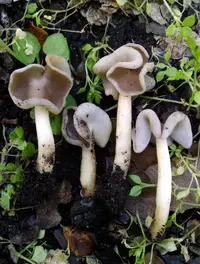
Helvella compressa is a small ascomycete fungus, not a leafy houseplant, recognized by its irregular, saddle-shaped cap and slender, often compressed stem. It appears in shades of gray to brown and typically grows on soil or among plant debris.

This species is usually found in temperate regions, often in woodland or forest edges, sometimes in association with trees. It can be sporadic and unpredictable, which makes attempts to care for Helvella compressa or cultivate it at home largely impractical.

In nature, it prefers undisturbed, well-drained, organic-rich substrates with consistent moisture but not waterlogging. Its growth depends strongly on specific environmental and soil conditions that are difficult to reproduce in a garden or indoor setting.

Main Plant Requirements

Care Difficulty

Hard Care

Light Preference

Partial Shade

Water Requirements

Regular Water

Temperature Preference

Cool Climate

Hardiness Zone

Unknown

Soil Texture

Loamy, Silty, Organic-rich

Soil pH

Acidic (5.5–6.5), Slightly acidic (6.5–7.0)

Soil Drainage

Moist but well-drained

Fertilization

Minimal (feed rarely)

Get Personalized Care Plan

Scan your plant to receive care tips personalized for your specific plant

Available on iOS and Android

How to Care for the Helvella compressa

This fungus prefers dappled woodland light rather than strong, open sun.

  • Site Helvella compressa under light shade, such as deciduous trees, receiving about 2–4 hours of gentle morning sun or bright filtered light through foliage.
  • Avoid harsh midday and afternoon sun, which can overheat the thin fruiting bodies and dry the substrate surface too quickly, reducing fruiting.
  • Ensure some seasonal light change: more open light in spring before tree leaf-out, then partial shade in summer to keep the ground cool and evenly lit.

Water management focuses on keeping the forest-like substrate evenly moist, not saturated.

  • Maintain consistently moist soil or leaf litter, allowing only the top 1–2 cm to begin drying before the next thorough soak, especially during active fruiting.
  • Use a well-drained, humus-rich substrate so excess water drains away within minutes; standing water encourages rot and loss of fungal activity.
  • In hot, dry periods, increase monitoring for shrinking or brittle fruiting bodies, while in cool, wet weather reduce any supplemental watering to avoid prolonged saturation.

This woodland fungus is adapted to cool to mild outdoor temperatures.

  • Optimal fruiting usually occurs around 50–68°F (10–20°C), typical of cool spring or autumn conditions with stable moisture and shade.
  • It tolerates down to about 32°F (0°C), but hard freezes below this can damage fruiting bodies, even though underlying mycelium in soil may survive.
  • Sustained heat above 77–82°F (25–28°C) with dry air can halt fruiting; provide shade and moisture retention to buffer summer heat and encourage later flushes.

This fungus does not have specific humidity requirements in typical outdoor conditions and is not usually managed through humidity control.

Helvella compressa grows as a mycorrhizal fungus, so soil preparation focuses on supporting host trees and suitable woodland-like conditions rather than feeding the fungus directly.

  • Aim for loose, humus-rich, loamy soil with abundant leaf litter and small woody debris to mimic a natural forest floor.
  • Ensure free-draining conditions; avoid compacted or waterlogged sites, which reduce oxygen around roots and suppress fungal development.
  • Maintain slightly acidic to neutral pH, roughly 5.5–7.0, as strongly alkaline or saline soils tend to limit fruiting.
  • Incorporate shredded bark, well-rotted leaf mold, and coarse sand or fine grit to improve structure, aeration, and drainage without adding high-nutrient fertilizers.

This species is not suitable for container growing because its mycorrhizal lifestyle depends on complex interactions with tree roots in open soil.

This mycorrhizal fungus grows best in nutrient-balanced, undisturbed soil and usually needs no direct fertilization.

As a wild, mycorrhizal fungus, Helvella compressa does not require conventional pruning.

This species is not suited to standard pot culture, so management focuses on careful transplanting of host trees rather than the fungus itself.

  • Avoid disturbing established colonies; transplant only when moving young host trees growing in symbiosis with the fungus.
  • Transplant in cool, moist weather in spring or early autumn to limit stress on tree roots and fungal mycelium.
  • Keep as much native soil around the root ball as possible to preserve fungal threads and reduce transplant shock.
  • Water the host tree thoroughly after moving and maintain even moisture while new fine roots and fungal connections re-establish.

Propagation of this wild mycorrhizal fungus is difficult and usually not attempted in home settings.

Helvella compressa is naturally cold hardy in its native range and generally needs no special winter care.

Care Tips

Spore source management

In landscapes where the species is absent, introduce small amounts of decayed hardwood chips or leaf litter from a site with established fruiting to provide a compatible fungal inoculum and increase the chance of growing Helvella compressa successfully.

Host association support

Maintain or establish nearby trees or shrubs that match the species’ known woodland habitat, and avoid removing fine roots in the fruiting area so the fungus can maintain its symbiotic association with the host root system.

Minimal disturbance zone

Mark out a small no-till, no-compaction area around regular fruiting spots, keeping foot traffic, raking, and digging away so the shallow mycelium and fruiting bodies are not damaged.

Targeted moisture buffering

Apply a thin, stable layer of shredded leaf litter or fine bark over the colonized area to buffer short dry spells and reduce surface crusting without burying emerging fruiting bodies.

Careful observation log

Record dates, weather patterns, and tree condition whenever fruiting occurs, then use this log over several years to fine-tune timing of light irrigation and ground cover maintenance when caring for Helvella compressa outdoors.

Common Pests and Diseases

Mycophagous springtails

These insects feed on fungal tissues and can graze young, soft fruiting bodies, leaving pits or ragged edges on the caps and stems. This pest is most active in moist, organic-rich substrates where Helvella compressa develops.

Solution

Reduce surface moisture and saturated organic debris, and harvest fruiting bodies promptly once mature to limit feeding damage. Where densities are very high, gently disturbing or replacing the top layer of substrate and improving drainage usually lowers populations without harming the fungus.

Fungus gnat larvae

These insects lay eggs in damp soil or decaying wood, and the larvae chew on developing fungal tissue and mycelium, sometimes collapsing small or emerging saddles. Symptoms include thinning, misshapen, or partially hollow fruiting bodies around very wet spots.

Solution

Allow the substrate surface to dry slightly between waterings, use well-drained, coarse material, and remove heavily damaged fruiting bodies. Sticky traps above the substrate and improved airflow help reduce adults, breaking the reproductive cycle and indirectly protecting the fungus.

Parasitic Hypomyces infection

This disease is caused by parasitic fungi such as Hypomyces species that overgrow ascomycete fruiting bodies, creating discolored, crusty, or powdery coatings that distort the saddle shape. Symptoms include loss of normal texture, reduced spore production, and premature decay of affected mushrooms.

Solution

Promptly remove and discard affected fruiting bodies, including a small amount of surrounding substrate, to reduce local spore load. Avoid disturbing infected material over the collection area and favor good air movement and moderate moisture, which makes conditions less suitable for aggressive parasitic overgrowth.

Bacterial soft rot

This disease develops in overly wet or repeatedly handled fruiting bodies, where bacteria break down tissues, causing a water-soaked, slimy texture and unpleasant odor. Symptoms include rapid collapse and liquefaction of saddles, often starting at contact points with saturated soil or debris.

Solution

Limit waterlogging by improving drainage and avoiding irrigation directly over fruiting zones, and harvest mushrooms before they sit wet for long periods. Remove and discard rotting material promptly to reduce bacterial spread to nearby fruiting bodies and underlying mycelium, which supports effective Helvella compressa care instructions.

Interesting Facts

Distinctly flattened stems

The fertile lobes of this species are borne on a conspicuously flattened, often compressed stipe, which helps distinguish it from many other Helvella species that have more cylindrical stems.

Preference for calcareous soils

Field observations show that this fungus is often associated with calcareous, or lime-rich, soils, where it fruits on the ground among leaf litter or low vegetation.

Patchy geographic records

Helvella compressa has relatively few confirmed records compared with some related species, and reliable identifications often rely on both its compressed stem and subtle microscopic features such as spore shape and ornamentation.

FAQs about Helvella compressa

This fungus is generally regarded as inedible and potentially harmful due to unstable, poorly understood toxins that may not be destroyed by cooking. It should not be collected for food, and safer, well-documented edible mushrooms are preferable.

Grow Healthy Plants with Botan Care

Keep your plants happy and healthy with plant identification, disease detection, and easy care guidance.

Botan plant care app — identify plants on mobile

Explore More Plants