Helvella solitaria Care

Helvella solitaria

About Helvella solitaria

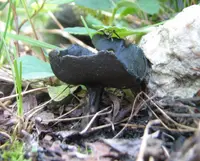
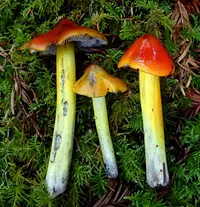
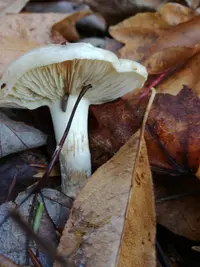
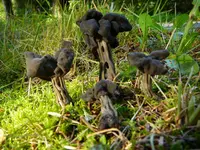
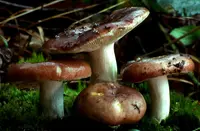
Helvella solitaria is a saddle-shaped mushroom-forming fungus, not a leafy houseplant. It produces pale, irregular caps on slender stems, often appearing in small groups. This species typically occurs in temperate forests and woodland edges, especially in mossy or grassy soil, where it grows in association with trees.

It can be difficult to identify reliably, even for experienced foragers, because it resembles several related Helvella species. Gardeners rarely try to care for Helvella solitaria, since it depends on complex soil and root relationships that are hard to reproduce in cultivation.

In nature, it favors cool conditions, moist but not waterlogged soil, and partial shade rather than strong, direct sun.

Main Plant Requirements

Care Difficulty

Hard Care

Light Preference

Partial Shade

Water Requirements

Regular Water

Temperature Preference

Cool Climate

Hardiness Zone

Unknown

Soil Texture

Loamy, Silty, Organic-rich

Soil pH

Acidic (5.5–6.5)

Soil Drainage

Moist but well-drained

Fertilization

Minimal (feed rarely)

Get Personalized Care Plan

Scan your plant to receive care tips personalized for your specific plant

Available on iOS and Android

How to Care for the Helvella solitaria

This woodland fungus prefers soft, indirect light rather than strong, open sun.

  • Provide dappled or filtered light, such as under deciduous trees, with about 2–4 hours of gentle morning sun and shade the rest of the day.
  • Avoid strong midday and afternoon sun, which can overheat the soil surface and dry the organic layer where Helvella solitaria typically fruits.
  • In summer, protect from canopy gaps that create bright patches; in early spring or late autumn, slightly more open light is acceptable as the sun is weaker.

Moist but not saturated soil supports healthy fruiting of this ectomycorrhizal fungus.

  • Aim for consistently moist, humus-rich soil; the top 2–3 cm should feel slightly damp but not sticky or waterlogged when pressed between fingers.
  • Improve drainage with leaf litter or well-rotted wood debris so excess rain can drain away, reducing the risk of rot and loss of Helvella solitaria fruiting bodies.
  • During dry spells, mimic gentle forest rain, watering when the surface starts to lighten in color, and reduce or stop supplemental watering during cool, wet seasons.

This species performs best in cool to mild conditions typical of shaded woodland environments.

  • Optimal temperatures for formation of fruiting bodies are about 50–68°F (10–20°C), often in spring or autumn when soil stays cool and moist.
  • It tolerates brief drops close to 32°F (0°C), but hard freezes below 28°F (−2°C) can damage emerging structures and delay fruiting.
  • Sustained heat above 77–82°F (25–28°C) combined with dry soil reduces activity; maintain shade and moisture during hot periods to moderate ground temperature.

This fungus is not suitable for typical home cultivation, and humidity management is generally unnecessary.

This species is a mycorrhizal fungus that naturally fruits in forest soil, so artificial substrate preparation is rarely successful.

  • Prefers loose, well-aerated, organic-rich forest soil with abundant leaf litter and decaying wood fragments.
  • Requires consistently moist but free-draining conditions; avoid waterlogged, compacted, or heavily disturbed ground.
  • Performs best in slightly acidic to neutral soil, roughly pH 5.5–7.0, typical of woodland environments.
  • To encourage Helvella solitaria in situ, protect existing tree-root zones, retain leaf litter, and avoid adding fertilizers or dense mulches that smother the surface.

This species is not realistically suitable for container growing because it depends on complex soil and root relationships in the ground.

This wild mycorrhizal fungus usually grows in nutrient-balanced soils and does not benefit from additional fertilizer in gardens.

Helvella solitaria does not need active pruning because the visible fruiting bodies are temporary structures of a wild fungus.

Transplanting this mycorrhizal fungus is rarely successful because it depends on specific tree roots and soil microbes.

  • Avoid digging up or moving colonies; disturbance can break the delicate root-fungus partnership and reduce future fruiting.
  • If relocation is attempted, move host tree seedlings with their native soil intact and keep root disturbance to a minimum.
  • Transplant only during cool, moist seasons to reduce stress, and water lightly afterward to settle soil without waterlogging.

Propagation of Helvella solitaria is technically complex and not practical for home growers, so it is usually left to establish naturally.

No special winter care is needed, as this fungus persists mainly as underground mycelium that tolerates normal outdoor cold.

Care Tips

Substrate inoculation

Mix colonized wood chips or soil from an existing fruiting patch into the new site to introduce the right fungal strains and speed up establishment when growing Helvella solitaria.

Leaf litter management

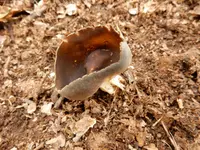
Maintain a thin, loose layer of deciduous leaf litter rather than heavy mulch to provide shade and moisture while still allowing the irregular fruiting bodies to emerge easily.

Gentle harvesting technique

Cut fruiting bodies at the base with a clean knife instead of pulling them up, leaving the underground mycelium network undisturbed for more reliable future flushes.

Soil disturbance control

Limit raking, digging, and heavy foot traffic in the fruiting area so the delicate mycorrhizal connections with host trees remain intact and productive.

Seasonal moisture monitoring

During key fruiting periods, check the upper 5–8 cm of soil under host trees and, if it is dry and local regulations allow, apply a light, wide-area soak rather than spot watering to mimic natural rainfall patterns when caring for Helvella solitaria.

Common Pests and Diseases

Mycophagous springtails

These insects feed on fungal tissues and can graze young or decaying fruiting bodies in damp habitats. This pest is most active in constantly wet leaf litter and mossy soil where Helvella solitaria develops.

Solution

Limit chronic surface wetness by improving drainage and avoiding unnecessary watering in collection or observation areas, since this fungus relies on naturally moist but not waterlogged soil. If monitoring cultivated or study plots, gently lift and relocate heavily infested litter away from emerging fruiting bodies and reduce organic debris density to lower springtail numbers without fully drying the habitat.

Slugs and snails

These pests commonly chew through fleshy fungal caps and stems, leaving ragged edges or missing sections of fruiting bodies. Symptoms include silvery slime trails on or near the fungi, especially after wet nights.

Solution

Hand-pick slugs and snails at dusk or after rain and relocate them away from sensitive areas where you grow Helvella solitaria for study or display. Use physical barriers such as copper tape around small protected beds and keep dense groundcover slightly thinned to reduce daytime hiding spots while maintaining the cool, moist conditions the fungus requires.

Fungal parasitism (mycoparasites)

This disease is caused by other fungi that colonize and feed on Helvella tissues, leading to distorted, discolored, or prematurely collapsing fruiting bodies. Symptoms include patches of foreign mold or crust-like growth over the saddle-shaped caps or stems.

Solution

Remove and discard parasitized fruiting bodies promptly to reduce spore spread within the local patch. Support a balanced habitat by avoiding unnecessary disturbance and excessive nutrient enrichment, and if studying or encouraging growth in a defined bed, avoid overhead watering directly on the fruiting bodies and instead moisten surrounding soil to limit free moisture on the surface where mycoparasites establish most easily.

Interesting Facts

Distinctive saddle-shaped cap

This species forms a thin, often irregularly saddle-shaped cap with 2–3 lobes, and the fertile surface is on the upper side, which helps distinguish it from many cup-shaped ascomycete fungi.

Autumn fruiting pattern

It typically fruits in late summer to autumn in temperate regions, appearing on soil in mixed or deciduous woodland rather than on wood, which helps separate it from some similar-looking Helvella species.

Taxonomic re-interpretation

Helvella solitaria has a complex taxonomic history, with some mycologists historically treating it as a form or synonym of other Helvella taxa, reflecting how subtle its distinguishing microscopic and macroscopic features can be.

FAQs about Helvella solitaria

This species is not recommended for eating. Some Helvella fungi contain toxic compounds that may cause gastrointestinal upset or more serious effects, especially if undercooked. Identification is difficult, so avoid consumption and treat it as non-edible.

Grow Healthy Plants with Botan Care

Keep your plants happy and healthy with plant identification, disease detection, and easy care guidance.

Botan plant care app — identify plants on mobile

Explore More Plants