Lactarius chelidonium Care

Lactarius chelidonium

About Lactarius chelidonium

Lactarius chelidonium is a wild mushroom species in the milkcap group, named for the milky latex it releases when cut or damaged. It is not a houseplant or garden ornamental but a forest-dwelling fungus. This species typically appears in mixed or coniferous woodlands, often forming mycorrhizal associations, which are nutrient-sharing partnerships with tree roots. It usually fruits on the forest floor among leaf litter or moss. Identification in the field relies on cap color, gill structure, and the color and behavior of the latex, which can make it challenging for beginners. Because it depends on tree partners and specific soil fungi networks, it is not practical to grow or care for Lactarius chelidonium in a typical home or garden setting.

Main Plant Requirements

Care Difficulty

Moderate Care

Light Preference

Partial Shade

Water Requirements

Moderate Water

Temperature Preference

Warm Climate

Hardiness Zone

Unknown

Soil Texture

Loamy

Soil pH

Slightly acidic (6.5–7.0)

Soil Drainage

Well-drained

Fertilization

Minimal (feed rarely)

Get Personalized Care Plan

Scan your plant to receive care tips personalized for your specific plant

Available on iOS and Android

How to Care for the Lactarius chelidonium

This mycorrhizal fungus prefers stable, dappled forest light rather than open exposure.

  • Provide bright, filtered light under deciduous or mixed woodland canopy, similar to light levels on a shaded forest floor for 2–4 hours of gentle morning sun and the rest of the day in shade.
  • Avoid strong midday and afternoon sun; direct exposure for more than 1–2 hours can dry the upper soil layer, stress tree roots, and reduce Lactarius chelidonium fruiting.
  • In summer, rely on leaf canopy for shade, while in early spring or late fall use natural partial shade from shrubs, leaf litter, or terrain to prevent rapid surface drying.

Moist but not waterlogged soil supports healthy mycorrhizal activity and fruiting.

  • Maintain consistently moist, well-drained soil, allowing the top 2–3 cm to dry slightly between natural rains or supplemental watering, particularly on sandy or sloping sites.
  • Use deep, occasional watering rather than light sprinkling so moisture reaches host tree roots; good drainage is essential to prevent stagnant water and root decline.
  • Watch for overwatering signs such as sour, swampy smell and persistent puddling, and underwatering signs like cracked soil surface, brittle leaf litter, and slow cap development or reduced mushroom flushes.

This woodland species performs best in cool to mild conditions with moderate seasonal variation.

  • Optimal soil and air temperatures for mycelial growth and fruiting are about 55–70°F (13–21°C), typical of shaded forest floors in spring and fall.
  • Growth slows noticeably below about 45°F (7°C) and above roughly 77°F (25°C), though established mycelium can tolerate short dips near freezing if soil is insulated by leaf litter.
  • Protect habitats from repeated freeze–thaw cycles and extreme heat; prolonged hard frost without snow cover or extended periods over 86°F (30°C) can damage fine mycelial strands and reduce future fruiting.

This mycorrhizal fungus does not rely on ambient air humidity, as its active parts are underground in contact with moist soil.

This ectomycorrhizal mushroom requires specific outdoor soil conditions around suitable host tree roots.

  • Grow it only in mineral, forest-type soil that is loose, moderately sandy or loamy, and rich in natural organic litter, not in potting mixes.
  • Ensure soil drains freely yet stays evenly moist by avoiding compaction and allowing rainwater to percolate through leaf litter and small woody debris.
  • Aim for slightly acidic soil, roughly pH 5.0–6.5, commonly found under conifers or mixed woodland where these fungi usually associate with roots.
  • Avoid fertilized garden beds, heavy clay, or sterile substrates, which disrupt the tree–fungus partnership and prevent Lactarius chelidonium from forming fruiting bodies.

This species is not suitable for true container growing, because it depends on long-term symbiosis with tree roots in natural soil conditions.

This ectomycorrhizal fungus relies mainly on its tree host, so Lactarius chelidonium does not need direct fertilization in natural or garden settings.

As a wild, mycorrhizal fungus, this species does not require structural pruning in the way garden plants or shrubs do.

This fungus is not suited to typical container culture, so attention focuses on careful site establishment with its host trees rather than repotting.

  • Avoid disturbing established mycelium networks; transplant only when a young host tree must be moved.
  • If relocating a host seedling, move a generous soil plug (20–30 cm wide) to keep associated mycelium intact.
  • Transplant during cool, moist weather in early spring or fall to reduce stress.
  • Water the host tree deeply after transplanting and maintain even moisture so roots and fungal partners re-establish.

Reproduction for this wild ectomycorrhizal fungus is mainly managed via habitat and host trees, not standard garden propagation methods.

This temperate woodland fungus is naturally cold hardy and normally needs no special winter care when growing with its host trees.

Care Tips

Host tree mapping

Before planning any patch, survey the area for suitable host trees such as oaks or other compatible ectomycorrhizal species and mark their drip line, since fruiting bodies will form most reliably in this active root zone.

Minimal soil disturbance

Keep raking, digging, and tilling to a minimum around known fruiting spots so the fine mycelial network and tree roots remain intact, which supports more consistent Lactarius chelidonium fruiting over several years.

Leaf litter management

Maintain a loose layer of mixed hardwood leaf litter 2–5 cm deep over the colonized area, adding new leaves in autumn and lightly fluffing them in spring to hold moisture while still allowing air exchange.

Targeted moisture checks

Use a slim soil probe or trowel to check moisture 5–10 cm below the surface near host roots after dry spells and water only when this layer is almost dry, which avoids both mycelial desiccation and waterlogging.

Structured fruiting records

Keep a simple log of host tree species, rainfall, soil temperature, and exact fruiting dates to build a site-specific pattern that improves decision-making for caring for Lactarius chelidonium year to year.

Common Pests and Diseases

Mycophagous larvae

This pest targets fruiting bodies, with fly or moth larvae tunneling through caps and stems and accelerating decay. Symptoms include soft, discolored flesh, small entry holes, and rapid breakdown of the mushroom tissue.

Solution

Harvest fruiting bodies promptly once mature and discard any that show tunneling or soft, watery tissue. Reduce attraction by removing old or decaying mushrooms from the area, using fine-mesh netting over monitored patches if attempting controlled growing Lactarius chelidonium outdoors, and maintaining good sanitation around collection sites.

Slugs and snails

These pests feed on developing caps and gills, leaving irregular holes, slime trails, and sometimes consuming entire small mushrooms overnight. Damage reduces spore production and makes fruiting bodies unmarketable or unsuitable for study.

Solution

Hand-pick slugs and snails in the evening or early morning and remove plant litter or boards that provide hiding places. Where legal and appropriate, use iron phosphate bait around the fruiting area and maintain a dry buffer zone of coarse material (gravel, sharp sand) to discourage movement into the patch.

Fungal parasitism

This disease occurs when parasitic fungi colonize Lactarius fruiting bodies, causing distortion, abnormal growth, or overgrowth of foreign mycelium on caps and stems. Symptoms include off-colored patches, powdery or cottony overgrowth, and premature collapse of mushrooms.

Solution

Remove and discard affected fruiting bodies to limit spread and avoid disturbing nearby soil more than necessary. In managed sites, reduce organic debris density and avoid excessive surface moisture, which can favor competing and parasitic fungi around established mycorrhizal hosts.

Bacterial soft rot

This disease affects damaged or overly wet fruiting bodies, leading to watery, foul-smelling decay starting at wounds or contact points with soil or debris. Symptoms include slimy texture, strong odor, and rapid collapse of the cap and stem.

Solution

Handle fruiting bodies gently and avoid harvesting during or immediately after heavy rain when tissue is saturated. Immediately remove and dispose of any soft, slimy, or foul-smelling specimens, and use well-ventilated, shallow containers for short-term holding to limit bacterial buildup.

Interesting Facts

Distinctive latex reaction

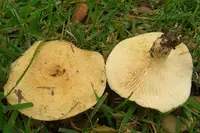
This species produces a white milk when cut that slowly turns yellow, a key diagnostic feature used by mycologists to separate it from other similar Lactarius species whose latex stays white or turns different colors.

Habitat and tree partners

It is an ectomycorrhizal fungus, forming nutrient-exchange partnerships with specific trees, especially oaks and beeches, and is typically found in broadleaf or mixed forests on calcareous or neutral soils.

Cap and gill characteristics

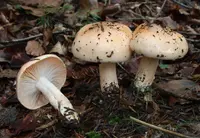
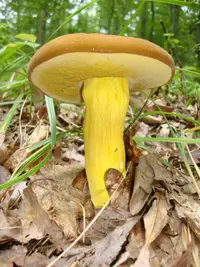
The cap often shows a yellowish to ochre tone with faint concentric zoning, and the crowded gills exude the characteristic latex, details that help distinguish it during field identification and support accurate Lactarius chelidonium care instructions in fungal reference guides.

FAQs about Lactarius chelidonium

This mushroom is generally considered inedible or of unknown edibility and should not be collected for food. Identification within Lactarius is complex, and misidentification risks poisoning. Treat it as non-edible and leave it in place.

Grow Healthy Plants with Botan Care

Keep your plants happy and healthy with plant identification, disease detection, and easy care guidance.

Botan plant care app — identify plants on mobile

Explore More Plants