rosy woodwax Care (Hygrophorus pudorinus)

rosy woodwax

About rosy woodwax

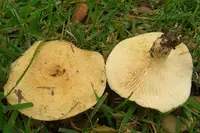
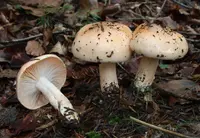
Rosy woodwax, Hygrophorus pudorinus, is a waxcap mushroom rather than a leafy plant. It produces smooth, pale pink to salmon caps with thick, waxy gills and a sturdy stem. Fruiting bodies usually appear in small groups on the ground.

This species occurs mainly in coniferous forests of North America and parts of Europe, often in cool, moist, mossy habitats. It is considered mycorrhizal, meaning it forms a nutrient-sharing partnership with tree roots, which makes it impossible to grow in typical garden or indoor conditions.

For those interested in how to care for rosy woodwax in managed woodland settings, the focus is on maintaining healthy conifers, undisturbed soil, and consistent moisture rather than tending the fungus directly.

Main Plant Requirements

Care Difficulty

Hard Care

Light Preference

Partial Shade

Water Requirements

Keep Soil Moist

Temperature Preference

Cool Climate

Hardiness Zone

Unknown

Soil Texture

Loamy, Peaty, Organic-rich

Soil pH

Acidic (5.5–6.5)

Soil Drainage

Moist but well-drained

Fertilization

Minimal (feed rarely)

Get Personalized Care Plan

Scan your plant to receive care tips personalized for your specific plant

Available on iOS and Android

How to Care for the rosy woodwax

This ectomycorrhizal fungus develops best in cool forests with gentle, filtered light reaching the soil surface.

  • Aim for dappled or filtered light under conifers or mixed woodland, roughly equivalent to 2–4 hours of soft morning sun with full shade by early afternoon.
  • Ensure partial to full shade in summer; direct midday sun can overheat the upper soil layer and dry the litter, reducing rosy woodwax fruiting.
  • In autumn, when canopy leaves drop, natural light increases; rely on leaf litter and forest debris to buffer sudden light and temperature shifts at ground level.

Hygrophorus pudorinus favors consistently moist, but not waterlogged, forest soil.

  • Target soil that stays evenly damp 5–10 cm down, allowing the surface litter layer to dry slightly between significant rain or irrigation events.
  • Avoid standing water and compacted clay; free-draining, humus-rich soil prevents rot of fine roots and supports stable fungal mycelium.
  • In dry spells, mimic steady forest moisture with deep soaking less often, watching for cracked soil or wilting nearby host roots as signs of insufficient water.

This species prefers cool to mild forest temperatures and reacts poorly to hard frost or intense heat.

  • Optimal activity occurs around 50–65°F (10–18°C), typical of cool, moist autumn conditions in coniferous or mixed woods.
  • It tolerates brief drops to about 32°F (0°C) but hard, prolonged frost can halt fruiting and damage exposed mycelium near the surface.
  • Sustained heat above 77–82°F (25–28°C) dries litter and topsoil; maintain shade and organic mulch to moderate seasonal temperature swings at ground level.

This mushroom species forms fruiting bodies in naturally moist forest habitats, so humidity strongly influences its development.

  • Target 70–90% humidity around developing caps and gills for reliable fruiting.
  • It tolerates brief dips to 50–60% but prolonged dry air causes cracked caps, pale surfaces, and slower growth.
  • Increase humidity by misting the surrounding substrate, covering the area with a perforated humidity tent, or placing trays of damp leaf litter nearby while caring for rosy woodwax.

This ectomycorrhizal fungus fruits in cool, moist, organic forest soil rather than conventional potting mixes.

  • Aim for a loose, humus-rich, sandy-loam structure with abundant decomposed leaf litter and conifer duff to mimic natural forest floors.
  • Ensure slow but steady drainage; soil should stay evenly moist yet never waterlogged, with water dispersing through pore spaces within a few minutes.
  • Maintain slightly acidic conditions around pH 4.5–6.0, similar to many conifer woods where Hygrophorus pudorinus commonly associates with roots.
  • Improve aeration and drainage by blending forest leaf mold, coarse sand, and fine bark chips instead of dense clay or heavily compacted garden soil.

This species is generally unsuitable for long-term container growing because it depends on ectomycorrhizal partnership with living forest trees.

This mycorrhizal fungus naturally gains nutrients through its tree partners and soil organic matter, so additional fertilizer is usually unnecessary for healthy Hygrophorus pudorinus.

As a wild mycorrhizal mushroom, Hygrophorus pudorinus is not shaped by pruning, but some hygiene steps can help maintain a safe, clean site.

  • Remove decayed, moldy, or insect-infested fruiting bodies with clean gloves or a knife to limit unwanted spores and pests.
  • Cut mushrooms at the base rather than pulling to reduce disturbance of the underground mycelium network.
  • Clear heavy leaf litter only if it smothers the usual fruiting area, leaving a thin natural mulch intact.
  • Disinfect knives between sites using alcohol to reduce spreading fungal diseases or soil pathogens.

This species grows in symbiosis with conifer tree roots, so care focuses on preserving its forest or woodland soil environment rather than repotting.

  • Transplanting is generally unsuccessful because the fungus depends on intact mycorrhizae, the fine root–fungus partnership structures.
  • Avoid disturbing soil around host conifers; repeated digging or soil removal can weaken the hidden mycelium.
  • If moving young conifers from a known Hygrophorus pudorinus site, keep a generous soil ball intact to retain some fungal association.
  • Container culture is not recommended, so long-term success relies on conserving existing woodland conditions instead of pot growth.

True propagation of this mushroom is complex because it depends on mycorrhizal association with trees, so home propagation is rarely reliable.

This forest mushroom is naturally cold hardy in climates with freezing winters, so special winter care is usually unnecessary outdoors.

Care Tips

Site hygiene

Remove and discard spent caps and any rotting organic debris around the fruiting area to limit mold competition and keep the mycelium focused on producing new mushrooms rather than decomposing dense waste.

Moisture buffering layer

Apply a thin top layer of leaf litter or fine softwood needles over the colonized soil to help stabilize surface moisture and protect developing pins from rapid drying and mechanical damage.

Gentle harvest method

Twist and lift each mushroom gently at the base rather than cutting, then lightly press the soil or litter back into place to minimize disturbance to the underlying mycelium network.

Seasonal fruiting checks

During peak cool, moist seasons, inspect known patches every 2–3 days so mushrooms can be harvested at prime maturity before caps become waterlogged, insect-damaged, or overly expanded.

Patch marking

Discreetly mark productive spots with natural-looking markers such as small stones or short stakes so monitoring and caring for rosy woodwax patches is easier without excessive trampling of surrounding soil.

Common Pests and Diseases

fungal competitor molds

This disease appears when competing saprophytic molds colonize the same woody substrate or litter layer as Hygrophorus pudorinus, often forming dense whitish, gray, or dark patches that overrun the mycelium. Symptoms include weak, patchy fruiting and distorted or aborted caps where the mushroom tries to emerge through competing fungal growth.

Solution

Remove heavily colonized debris and replace with fresh, clean, lignin-rich material such as untreated wood chips or leaf litter, and keep the substrate slightly moist but not waterlogged to favor H. pudorinus. Improve air circulation around the fruiting area and avoid adding kitchen scraps or high‑sugar organic waste, which strongly favor fast-growing molds.

mycophagous springtails

These insects are tiny soil arthropods that feed on fungal mycelium and developing primordia, sometimes leaving pitted or grazed surfaces on young mushroom tissue. Symptoms include slow colonization of the substrate, weak fruiting, and small surface specks or movement when the substrate is disturbed.

Solution

Reduce excessive moisture and improve drainage so the substrate is evenly moist, not saturated, since springtails thrive in very wet conditions. If damage is significant, temporarily lift and air out surface layers, remove the most affected material, and use fine mesh or clean casing layers to create a physical barrier between the main mycelial zone and surface-dwelling springtails.

sciarid fungus gnats

These insects lay eggs in moist, organic substrates, and the larvae feed on mycelium and young mushroom tissue, sometimes tunneling into stems and caps. Symptoms include soft, discolored bases of fruiting bodies, collapsed young mushrooms, and visible small black adult gnats hovering near the substrate surface.

Solution

Allow the upper substrate layer to dry slightly between waterings while keeping deeper layers moist, since fungus gnat larvae concentrate in the very top zone. Use fine mesh covers or sticky yellow traps to reduce adult populations, remove heavily tunneled or decaying fruit bodies, and avoid standing water or waterlogged areas that strongly attract egg-laying females.

bacterial blotch

This disease affects mushroom caps during wet, stagnant conditions, producing greasy, yellow-brown spots or streaks that feel slimy when moisture is high. Symptoms include localized tissue breakdown on the cap surface and faster decay of affected fruit bodies.

Solution

Limit overhead watering directly onto caps and instead moisten the surrounding substrate so surfaces dry within a few hours. Improve airflow, remove and discard blotched mushrooms promptly, and rinse tools or knives in clean water between harvests to reduce bacterial spread.

Interesting Facts

Blushing cap pigment

The pinkish to salmon cap color develops most strongly in cool, moist conditions and tends to fade toward pale cream as the fruiting body ages or dries, a useful visual cue for estimating maturity.

Strong conifer association

This species forms ectomycorrhizal partnerships with conifer trees, especially spruces and firs, exchanging mineral nutrients and water from the soil for sugars produced by the host tree.

Late-season fruiting

In many parts of its range, this mushroom appears relatively late in the season, often in autumn after cooler temperatures arrive, and can fruit even when other agarics have largely disappeared.

Botan icon

Did you know?

Some European field guides consider this species a useful indicator of relatively undisturbed, mature conifer forests, so its presence can signal long-standing continuity of woodland habitat.

FAQs about rosy woodwax

This species is considered edible in some regions but is not among the most valued mushrooms. Identification errors with similar-looking toxic fungi are a real risk, so only experienced foragers should consume it after expert confirmation.

Grow Healthy Plants with Botan Care

Keep your plants happy and healthy with plant identification, disease detection, and easy care guidance.

Botan plant care app — identify plants on mobile

Explore More Plants