Milky Bonnet Care (Hemimycena lactea)

Milky Bonnet

About Milky Bonnet

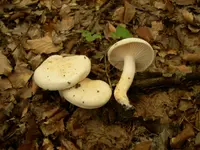
Milky bonnet (Hemimycena lactea) is a small saprophytic fungus, not a leafy houseplant. It grows on decaying wood, plant debris, or mossy logs, helping decompose organic matter.

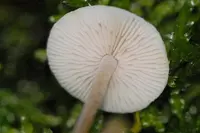
The tiny, white, bell-shaped caps and slender stems give it a delicate, almost translucent look. It usually appears in clusters, often after rainy periods in cool, damp conditions.

This species occurs widely in temperate regions, especially in woodlands and shaded gardens where fallen branches and leaf litter remain undisturbed. It is not commonly cultivated indoors, so most people encounter it naturally rather than trying to care for Milky Bonnet.

In nature it favors consistent moisture, shade, and rotting wood rather than regular potting soil, which makes deliberate cultivation more challenging than typical ornamental plants.

Main Plant Requirements

Care Difficulty

Hard Care

Light Preference

Shade

Water Requirements

Keep Soil Moist

Temperature Preference

Cool Climate

Hardiness Zone

Unknown

Soil Texture

Loamy, Peaty, Organic-rich

Soil pH

Acidic (5.5–6.5), Slightly acidic (6.5–7.0)

Soil Drainage

Moist but well-drained

Fertilization

Minimal (feed rarely)

Get Personalized Care Plan

Scan your plant to receive care tips personalized for your specific plant

Available on iOS and Android

How to Care for the Milky Bonnet

This small woodland fungus prefers low, filtered light that mimics a shaded forest floor.

  • Provide dappled or filtered shade under shrubs, trees, or tall groundcovers, avoiding more than 1–2 hours of direct sun, especially in the afternoon.
  • Milky Bonnet fruits best in sites receiving bright, indirect light for 4–6 hours, such as the north or east side of logs, stumps, or leaf litter patches.
  • Protect from strong midday and late-afternoon sun, which can dry substrates quickly; in summer, favor deeper shade, while in cooler seasons slightly brighter shade is acceptable.

This saprophytic fungus depends on consistently moist, but not waterlogged, organic material.

  • Maintain evenly moist leaf litter, moss, or rotting wood, allowing only the top 1–2 cm to start drying between natural rains or light supplemental watering.
  • In dry spells, lightly mist or sprinkle the substrate once the surface feels dry and crumbly, avoiding standing water or pooling around the fruiting bodies.
  • Signs of overwatering include slimy, sour-smelling substrate, while underwatering shows as brittle, shrinking caps and cracked or dusty surrounding debris for Hemimycena lactea.

This species favors cool to mild conditions typical of shaded woodland environments.

  • Optimal fruiting occurs around 50–65°F (10–18°C), with mycelium growth still possible from about 40–70°F (4–21°C) in consistently moist, shaded substrates.
  • Short exposures down to 32°F (0°C) may be tolerated, but repeated hard frosts below this can damage fruiting bodies and slow or halt fungal activity.
  • Prolonged heat above 75°F (24°C), especially with dry air or sun exposure, can desiccate substrates; in warmer months, deeper shade and higher humidity help buffer temperature swings.

This delicate saprophytic fungus prefers consistently moist air but tolerates brief drying.

  • Aim for 70–90% humidity with constantly damp surrounding leaf litter or moss, never letting the substrate crust over.
  • Dry air leads to caps shrinking, edges crisping, and mycelium receding into the substrate.
  • Increase humidity by using deep, enclosed terrariums or covered trays that trap evaporating moisture without dripping directly on the fruiting bodies.

This woodland fungus fruits best on loose, organic-rich substrate that mimics decaying leaf litter.

  • Use a mix of fine, well-rotted hardwood leaf litter, shredded bark, and a small amount of composted wood to create a fibrous, moisture-retentive base.
  • Ensure the substrate drains freely yet stays evenly damp; excess standing water collapses air pockets and suffocates the mycelium.
  • Keep pH slightly acidic to neutral, around 5.5–7.0, by favoring deciduous leaf mold over alkaline materials like crushed shell or lime.
  • Avoid dense clay, peat-only media, or heavily fertilized potting mixes, which hold water too tightly and burn delicate Hemimycena lactea mycelium.

This small woodland fungus is only marginally suitable for container culture and works best in controlled terrarium-style setups.

  • Choose a wide, shallow container so the thin substrate layer can stay evenly moist without compacting under its own weight.
  • Provide a base layer of coarse gravel or large bark pieces under the substrate to prevent stagnant water zones at the bottom.
  • Use clear-sided containers sparingly, since light on the sidewalls can dry the outer substrate faster than the interior, creating uneven fruiting conditions for Milky Bonnet.

Hemimycena lactea is a small saprophytic fungus that gains nutrients from decaying wood or litter and does not need supplemental fertilizer in typical garden or woodland conditions.

Hemimycena lactea is not pruned in the usual horticultural sense, since the visible mushrooms are only temporary fruiting bodies.

Transplanting focuses on preserving the fungus’s substrate rather than moving Hemimycena lactea as an individual plant.

  • Move colonized wood, bark, or leaf litter in early autumn or spring when conditions are cool and moist.
  • Transplant only if the substrate is fully colonized and growth is declining or the site will be disturbed.
  • Lift and relocate the substrate gently, keeping it intact to limit damage to the mycelium.
  • Reinstall the material at the new site with similar shade, moisture, and organic matter to reduce stress.

Propagation of Hemimycena lactea is mainly achieved by spreading colonized substrate rather than by standard plant techniques.

  • Use small pieces of colonized wood or litter placed on fresh, similar organic material to encourage spread.
  • Carry out transfers in cool, moist seasons such as fall or early spring for better mycelial growth.
  • Maintain high humidity and consistent moisture around the new substrate without waterlogging it.
  • Avoid disturbing the material once placed, allowing the mycelium time to extend into its new food source.

Milky Bonnet is naturally adapted to outdoor conditions in temperate climates and typically needs no special winter care.

Care Tips

Use sterilized substrate

Prepare fruiting containers with a fine, well-drained mix of hardwood sawdust and leaf litter that has been pressure-sterilized or oven-pasteurized to reduce competing fungi and bacteria before growing Milky Bonnet.

Mimic forest floor

Scatter a thin layer of rinsed, partially decomposed hardwood leaf litter over the substrate surface to provide a natural microhabitat that encourages pin formation and protects developing caps from direct droplets.

Gentle mist management

Mist the air above the culture rather than spraying the substrate directly, and use a hand mister with a very fine spray to maintain surface moisture without bruising the delicate fruiting bodies.

Controlled fresh air

Provide short, regular air exchanges by briefly opening the chamber or using small filtered vents, which helps remove carbon dioxide buildup that can distort mushroom shape while still maintaining high humidity.

Careful harvest technique

Harvest clusters by gently twisting at the base or cutting with a sterile blade when caps are fully expanded but still firm, and avoid tearing the substrate so the underlying mycelium can support subsequent flushes.

Common Pests and Diseases

Fungus gnat larvae

This pest is attracted to consistently damp, decaying wood or organic matter where the fungus grows, and the larvae feed in the same substrate as the mycelium. Symptoms include fine tunnels in the substrate, slow or patchy regrowth of fruiting bodies, and small black adult gnats hovering nearby.

Solution

Allow the substrate surface to dry slightly between misting if cultivating in a controlled setup, and improve airflow to reduce constantly wet conditions. Use yellow sticky traps to reduce adult populations and, if needed, apply a biological control such as Bacillus thuringiensis israelensis (BTI) to the substrate according to label directions.

Mite grazing

These insects, often saprophytic or predatory mites, move through decaying wood or leaf litter and physically damage the delicate mycelium and young fruiting bodies. Symptoms include deformed caps, pitted or scarred surfaces, and uneven emergence of mushrooms in small patches.

Solution

Reduce excessive moisture and stagnant air in terrariums or culture containers, and avoid overloading the habitat with decaying organic matter that attracts large mite populations. Remove and discard heavily damaged material and, if infestation is severe, reset the culture with fresh, pasteurized substrate and better ventilation.

Competing mold contamination

This disease appears when fast-growing molds colonize the same substrate and outcompete the mycelium, often forming colored patches that overrun the white fungal network. Symptoms include green, blue, black, or strongly gray fuzzy growth on the wood or culture medium, with a decline or total loss of fruiting.

Solution

Physically remove and discard contaminated sections and reduce humidity slightly while increasing airflow to discourage mold dominance. When cultivating indoors, start with clean tools and fresh, pasteurized substrate, and avoid overcrowding containers so that moisture can evaporate evenly, which supports healthier Hemimycena lactea care.

Interesting Facts

Snowy forest decomposer

This small white fungus grows mainly on well-decayed wood and bark fragments on the forest floor, helping break down dead plant material and recycle nutrients in cool, damp habitats.

Almost translucent caps

The caps are thin, white, and slightly translucent, often showing a delicate, almost glassy look when moist, which makes them difficult to spot among leaf litter.

Subtle chlorine scent

Some collections of this species are reported to have a faint chlorine-like odor, a chemical-type scent that can help distinguish it from similar small white mushrooms.

FAQs about Milky Bonnet

This small fungus is considered inedible due to its tiny size, insubstantial flesh, and lack of culinary value. It is not known to be dangerously toxic, but it should not be collected or eaten.

Grow Healthy Plants with Botan Care

Keep your plants happy and healthy with plant identification, disease detection, and easy care guidance.

Botan plant care app — identify plants on mobile

Explore More Plants