Hygrophorus sordidus Care

Hygrophorus sordidus

About Hygrophorus sordidus

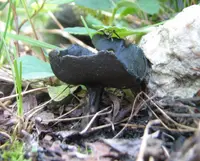
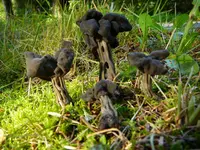
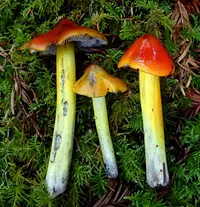
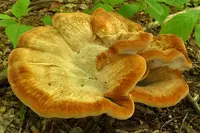
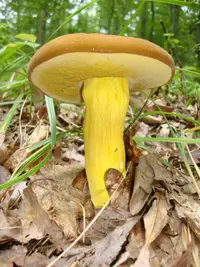
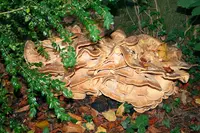
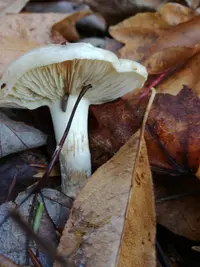
Hygrophorus sordidus is a small, fleshy mushroom-forming fungus rather than a typical leafy houseplant. It produces pale, often grayish to dull-colored caps with gills and a soft, moist texture. In nature it usually appears in forests of temperate regions, growing on the ground among leaf litter or near trees, often in autumn. This species prefers cool, moist conditions and undisturbed, humus-rich soils. Because it is a woodland fungus with specific habitat needs, it is not commonly cultivated, and attempts to care for Hygrophorus sordidus at home are generally experimental and challenging.

Main Plant Requirements

Care Difficulty

Moderate Care

Light Preference

Partial Shade

Water Requirements

Keep Soil Moist

Temperature Preference

Cool Climate

Hardiness Zone

Unknown

Soil Texture

Loamy, Silty, Organic-rich

Soil pH

Acidic (5.5–6.5)

Soil Drainage

Moist but well-drained

Fertilization

Minimal (feed rarely)

Get Personalized Care Plan

Scan your plant to receive care tips personalized for your specific plant

Available on iOS and Android

How to Care for the Hygrophorus sordidus

This woodland mushroom thrives in low to moderate, filtered light beneath trees rather than direct open sun.

  • Aim for dappled or broken shade, such as under deciduous trees, with no more than 1–2 hours of weak morning sun and no direct afternoon sun.
  • Site the area where leaf litter and surrounding vegetation cast constant light shade; strong midday light can dry the substrate and reduce fruiting.
  • In late summer or in brighter, open woods, use shrubs or groundcover to increase shade and prevent the fruiting zone from receiving harsh sun.

This fungus depends on consistently moist, not waterlogged, soil around its tree partners to form fruiting bodies.

  • Maintain evenly moist soil by monitoring the top 2–5 cm; if it feels dry and crumbly, increase irrigation to the host trees or nearby groundcover.
  • Ensure the site drains freely after rain; persistent puddling, foul smell, or slimy substrate indicates waterlogging that can damage mycorrhizal roots.
  • During hot, dry periods, focus on slow, deep watering of host trees 1–2 times per week, watching for shrinking caps or brittle gills as signs of drought stress for Hygrophorus sordidus.

This species prefers cool to mild conditions typical of temperate woodlands during autumn.

  • Optimal fruiting usually occurs around 50–65°F (10–18°C), often in moist fall weather when soil stays cool but not freezing.
  • It tolerates short drops near 32°F (0°C), but hard freezes below 28°F (−2°C) can halt fruiting and damage exposed mushrooms.
  • Sustained heat above 75°F (24°C) with dry air reduces fruiting; shaded, mulched soil helps buffer against summer temperature spikes.

Humidity plays a minor role for Hygrophorus sordidus, which mainly relies on general woodland moisture levels rather than air humidity.

This fungus develops best in moist, well-structured woodland soil with steady moisture and ample organic matter.

  • Aim for a loose, humus-rich loam with abundant leaf litter or decomposed wood to mimic natural forest-floor conditions.
  • Ensure soil stays evenly moist but not waterlogged, as prolonged saturation reduces oxygen and inhibits mycelium development.
  • Maintain a slightly acidic to neutral pH around 5.5–7.0, which supports healthy fungal associations with nearby tree roots.
  • Improve structure and drainage by mixing in shredded leaf mold and small bark pieces rather than sand or dense composts.

This species is not suitable for container growing, as it relies on complex soil and tree-root interactions that pots cannot reproduce reliably.

This wild mycorrhizal fungus typically grows without added fertilizer and should not be fed directly.

Pruning is not applicable to Hygrophorus sordidus, as it is a woodland fungus rather than a garden shrub or houseplant.

Transplanting this woodland mushroom is rarely successful, since it depends on a specific mycorrhizal partnership with host tree roots.

  • Avoid routine transplanting; instead, conserve its natural habitat and tree associates.
  • If moving soil, keep the original leaf litter and topsoil layer intact to preserve fungal threads.
  • Do not attempt container culture, as the fungus needs living tree roots to persist.
  • Minimize soil disturbance around known fruiting sites to limit damage to the underground network.

Deliberate propagation of this mycorrhizal fungus is difficult and not commonly practiced outside specialist research.

No special winter care is needed, as this species is naturally adapted to seasonal woodland conditions.

Care Tips

Host tree selection

Establish this mycorrhizal fungus only under compatible conifers such as pine or spruce, avoiding disturbed lawns or heavily compacted soils, since successful growing Hygrophorus sordidus depends on forming a stable root-fungus partnership.

Minimal soil disturbance

Limit digging, raking, or tilling in the fruiting zone around host trees so the underground mycelium network remains intact and can fruit reliably over several seasons.

Leaf litter management

Maintain a thin, natural layer of needles or leaf litter over the soil to preserve moisture and provide a stable microclimate, but avoid thick, waterlogged piles that can restrict gas exchange.

Careful foot traffic

Keep regular paths away from known fruiting spots and avoid repeated trampling, which compresses soil pores and damages the fine fungal threads that support mushroom production.

Thoughtful harvesting

Harvest caps with a clean knife at the base rather than pulling them up, and leave a portion of mature mushrooms to release spores and help sustain the local population over time.

Common Pests and Diseases

Mycophagous springtails

These insects feed on fungal tissue, gills, and spores, especially in very damp litter and moss around fruiting bodies. Symptoms include small surface pits, ragged edges on caps, and reduced spore production.

Solution

Limit excessive surface moisture by improving drainage and ventilation, and avoid standing water around fruiting sites. If damage is heavy, carefully remove and discard heavily infested debris and use sticky traps or targeted soil-drench products labeled for springtails, applied only to the surrounding substrate, not directly on desirable fungi.

Fungus gnat larvae

This pest thrives in wet, organic-rich substrates and can tunnel into developing fungal tissues. Symptoms include soft spots in stems or caps and collapse of young fruiting bodies.

Solution

Reduce overly wet conditions by allowing the surface substrate to dry slightly between waterings and improving airflow. Use yellow sticky traps for adult gnats and, if needed, apply a biological control such as Bacillus thuringiensis israelensis (Bti) as a soil drench around the habitat to lower larval populations.

Mite feeding damage

These arthropods graze on the surface of caps and gills, especially in mossy, shaded microhabitats. Symptoms include fine pitting, dull or scarred cap surfaces, and occasionally distorted growth.

Solution

Gently remove and discard heavily damaged fruiting bodies and surrounding litter to lower mite numbers. Maintain moderate, not saturated, humidity and better air movement, and if infestations persist, consider introducing predatory mites suited to the local ecosystem rather than using broad-spectrum chemicals.

Competitive mold colonization

This disease involves faster-growing molds outcompeting the fungus on litter or moss substrates. Symptoms include patches of green, gray, or white mold over the substrate or directly on developing caps, causing distortion or failure of fruiting.

Solution

Remove and discard visibly moldy substrate and any overgrown fruiting bodies to reduce spore load. Improve air circulation, avoid overwatering, and keep the fruiting area clean of excess decomposing material to give H. sordidus a microclimate advantage over aggressive molds, which is central to effective Hygrophorus sordidus care.

Interesting Facts

Taxonomic clarification

Hygrophorus sordidus is an older name that has been applied to several similar grey Hygrophorus species, and modern mycological work often treats it as part of a complex that requires microscopic and sometimes molecular study to identify accurately.

Distinctive spore features

Spores of this species are smooth, white in mass, and broadly ellipsoid, and their size and shape are key microscopic characters used by mycologists to separate it from closely related grey waxcaps.

Ectomycorrhizal lifestyle

This fungus forms ectomycorrhizal associations with trees, meaning its hyphae coat the outer surfaces of fine roots and help the host absorb water and minerals in exchange for sugars produced by photosynthesis.

FAQs about Hygrophorus sordidus

This mushroom is considered inedible and should not be collected for food. Identification can be difficult, and confusion with other waxcap-like fungi is possible. Foraging should only be done with expert guidance and local regulations in mind.

Grow Healthy Plants with Botan Care

Keep your plants happy and healthy with plant identification, disease detection, and easy care guidance.

Botan plant care app — identify plants on mobile

Explore More Plants