Helvella spadicea Care

Helvella spadicea

About Helvella spadicea

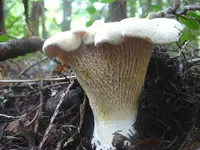
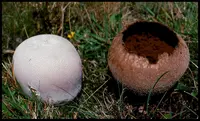
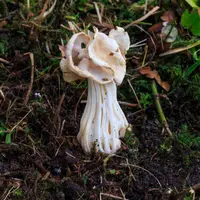
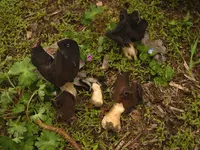
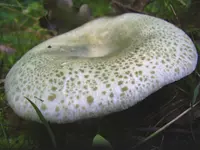
Helvella spadicea is a saddle-shaped fungi species, not a true plant, known for its irregular brown cap and pale, grooved stem. It usually appears in spring or early summer. This species grows on soil in forests and woodland edges, often in temperate regions of Europe and parts of North America. It is typically found near trees, where it forms associations with their roots. Helvella spadicea is considered challenging to cultivate, since it depends on complex soil life and tree partners. Most people do not attempt to care for Helvella spadicea at home and instead observe it in natural habitats.

Main Plant Requirements

Care Difficulty

Hard Care

Light Preference

Partial Shade

Water Requirements

Regular Water

Temperature Preference

Cool Climate

Hardiness Zone

Unknown

Soil Texture

Loamy, Silty, Organic-rich

Soil pH

Acidic (5.5–6.5), Slightly acidic (6.5–7.0)

Soil Drainage

Moist but well-drained

Fertilization

Minimal (feed rarely)

Get Personalized Care Plan

Scan your plant to receive care tips personalized for your specific plant

Available on iOS and Android

How to Care for the Helvella spadicea

This woodland fungus prefers cool, filtered light rather than direct, intense sun.

  • Aim for dappled light or light shade under deciduous trees, with no more than 1–2 hours of weak direct sun, ideally in the early morning.
  • Avoid strong midday and afternoon sun; prolonged exposure can dry the substrate, scorch emerging fruiting bodies, and reduce spore production.
  • Site Helvella spadicea where it receives brighter light in spring and fall but partial shade during summer, mimicking mixed forest conditions.

Moist, well-drained soil is essential for consistent fruiting of this woodland fungus.

  • Keep the forest floor or bed evenly moist, allowing the top 1–2 cm of soil or leaf litter to feel slightly dry before rewetting with a gentle soak.
  • Use loose, humus-rich soil that drains freely; standing water or soggy patches lead to rot and collapse of fruiting bodies.
  • In dry, hot periods, increase misting or light watering, watching for shriveling or brittleness as a sign the substrate is too dry for Helvella spadicea.

This species favors cool to mild conditions typical of temperate woodlands.

  • Optimal fruiting occurs around 50–65°F (10–18°C), with mycelium activity continuing in soil slightly above freezing when moisture is available.
  • Tolerates brief drops near 32°F (0°C), but hard freezes below 28°F (-2°C) can damage exposed fruiting bodies and halt development.
  • Prolonged heat above 77–82°F (25–28°C) dries substrates quickly; provide shade and moisture in hot spells to extend the fruiting season.

Humidity is not a significant controllable factor for Helvella spadicea cultivated by hobbyists, as this wild mycorrhizal fungus is not realistically maintained in typical home or container conditions.

Helvella spadicea fruits in the wild on mineral, well-aerated forest soils rather than in standard potting mixes.

  • Prefers loose, sandy to sandy-loam soil with moderate organic matter, mimicking light woodland or open forest-floor conditions.
  • Requires rapid drainage; water must not pool, so avoid compacted clay, heavy silt, or plastic-covered surfaces that stay wet.
  • Tolerates slightly acidic to neutral conditions, roughly pH 5.5–7.0, similar to many temperate coniferous or mixed forests.
  • For experimental cultivation, use a mix of 50–60% mineral sand or fine grit with 40–50% leaf litter compost to keep texture open and aerated.

This species is not suitable for standard container growing, as it depends on complex mycorrhizal relationships with tree roots in open ground.

This wild ascomycete fungus is not a houseplant and normally grows without additional fertilizer in suitable woodland or grassland soils.

Helvella spadicea does not require pruning, as fruiting bodies are seasonal and short‑lived.

This species is a wild, mycorrhizal fungus that is not suited to conventional container culture or routine transplanting.

  • Leave existing colonies undisturbed, as the main organism lives as an extensive underground mycelium associated with host plant roots.
  • Avoid digging, compacting, or repeatedly cultivating soil where fruiting bodies appear, since this can damage the mycelial network.
  • If disturbance is unavoidable, maintain similar soil structure and host vegetation nearby so the symbiotic association can recover.

Helvella spadicea is not typically propagated in home or garden settings because it relies on complex mycorrhizal relationships with host plants.

This fungus survives winter as underground mycelium and usually needs no special care in natural or semi-natural settings.

Care Tips

Host tree selection

Establish this mycorrhizal fungus in soil near compatible host trees such as pines or other conifers, and avoid heavily disturbed or compacted ground where fine feeder roots are sparse.

Minimal soil disturbance

Mark the fruiting area and avoid digging, raking, or frequent foot traffic there so that the underground mycelium network remains intact and can fruit reliably over several seasons.

Leaf litter management

Maintain a light, natural layer of leaf litter or conifer needles over the fruiting zone, removing only thick, matted debris so the soil stays cool and moist while still allowing the ascocarps to emerge.

Targeted moisture monitoring

Use a simple soil probe or trowel to check moisture 5–10 cm deep during dry spells and apply gentle, low-pressure irrigation only when the upper soil profile starts to dry out, which supports growing Helvella spadicea without waterlogging.

Hygienic harvesting

Cut fruiting bodies at the base with a clean knife instead of pulling them up, and remove any decaying material from the surface to lower the risk of secondary fungal infections and pest buildup in the patch.

Common Pests and Diseases

Mycophagous springtails

These insects feed on developing fruiting bodies and surrounding fungal tissue, sometimes tunneling into caps and stems and deforming the mushrooms.

Solution

Limit excess surface moisture around fruiting bodies, gently remove heavily infested mushrooms, and increase airflow in the fruiting area; in controlled cultivation, use fine-mesh barriers and remove decaying organic debris that shelters springtails.

Fungus gnat larvae

This pest occurs in moist, organic substrates and the larvae can graze on hyphae and young fruiting structures, reducing yield and causing malformed or aborted mushrooms.

Solution

Reduce standing moisture without letting the substrate fully dry, use sticky traps to capture adults, and, in controlled systems, apply a biological control such as Bacillus thuringiensis israelensis (Bti) to the substrate while avoiding direct contact with mature fruiting bodies.

Parasitic Hypomyces infection

This disease is caused by parasitic fungi (often Hypomyces species) that overgrow the mushroom surface, leading to misshapen, discolored, or completely deformed fruiting bodies.

Solution

Promptly remove and discard all infected mushrooms and nearby debris, avoid handling healthy fruiting bodies after touching infected ones, and improve spacing and airflow so surfaces dry more quickly between rains or misting events.

Competitive Trichoderma mold

This disease develops as fast-growing green or white mold patches in the substrate or on aborted fruiting bodies, outcompeting Helvella mycelium and suppressing new mushroom formation.

Solution

Physically remove contaminated substrate and fruiting bodies, reduce excessive moisture, and in any managed or semi-cultivated setting start with clean, low-contamination organic matter and avoid overfertilizing, which favors aggressive competitor molds.

Interesting Facts

Spring-fruiting saddle fungus

This species typically produces its saddle-shaped fruiting bodies in spring, often appearing soon after snowmelt in temperate forests.

Preference for calcareous soils

It is most often recorded on calcareous, or lime-rich, soils and can indicate underlying limestone or other base-rich substrates.

Distinctive brown cap texture

The cap surface is usually smooth to slightly wrinkled and dark brown, contrasting with the paler, often ribbed stem, which helps distinguish it from related Helvella species in the field.

FAQs about Helvella spadicea

This fungus is not recommended for consumption. Some Helvella species contain unstable toxins that may cause gastrointestinal or neurological symptoms, even after cooking. It is safer to treat it as inedible and leave it for observation only.

Grow Healthy Plants with Botan Care

Keep your plants happy and healthy with plant identification, disease detection, and easy care guidance.

Botan plant care app — identify plants on mobile

Explore More Plants