Helvellosebacina concrescens Care

Helvellosebacina concrescens

About Helvellosebacina concrescens

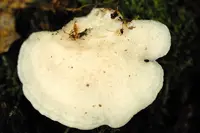
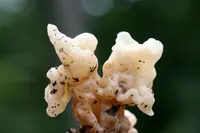
Helvellosebacina concrescens is a fungus, not a traditional leafy plant. It typically appears as irregular, whitish to translucent, gelatinous patches on decaying wood or forest debris. The surface often looks waxy or brain-like and spreads in fused, overlapping clusters rather than forming a distinct mushroom cap and stem. It occurs mainly in temperate forests, especially in Europe, where it grows in association with decaying hardwoods. This species is specialized and not commonly cultivated, so attempts to care for Helvellosebacina concrescens at home are experimental and challenging. It generally favors cool, shaded, consistently moist woodland conditions rich in organic matter.

Main Plant Requirements

Care Difficulty

Moderate Care

Light Preference

Partial Shade

Water Requirements

Regular Water

Temperature Preference

Cool Climate

Hardiness Zone

Unknown

Soil Texture

Loamy, Silty, Organic-rich

Soil pH

Acidic (5.5–6.5)

Soil Drainage

Moist but well-drained

Fertilization

Minimal (feed rarely)

Get Personalized Care Plan

Scan your plant to receive care tips personalized for your specific plant

Available on iOS and Android

How to Care for the Helvellosebacina concrescens

This fungus develops best in cool, shaded woodland light rather than direct open sun.

  • Aim for bright shade or dappled forest light, roughly 1–3 hours of weak morning sun at most, and avoid direct midday or afternoon sun to prevent substrate drying.
  • Encouraging host trees in partial shade supports Helvellosebacina concrescens, as it associates with roots and benefits from stable, low-intensity light conditions.
  • In summer, protect the area from canopy gaps that cause strong sun patches, while in autumn and early spring increased indirect light is usually acceptable if moisture stays high.

This species depends on consistently moist, not waterlogged, woodland soil supported by natural rainfall patterns.

  • Target soil that stays evenly moist to 5–10 cm depth; surface may dry slightly between rains, but deeper layers should remain cool and damp to the touch.
  • Avoid compacted or poorly drained ground that holds standing water for more than 24 hours, which can limit oxygen around roots and reduce fungal activity.
  • In extended dry periods, occasional deep watering of the tree root zone helps, guided by soil probing; cracked, dusty soil suggests underwatering, while sour, swampy smell suggests excess moisture.

This fungus is adapted to temperate woodland climates with moderate temperatures and distinct seasons.

  • Optimal fruiting usually occurs around 50–68°F (10–20°C), with cooler, moist conditions favoring development over hot, dry spells.
  • Mycelium in the soil can tolerate brief drops close to 23–28°F (-5 to -2°C), but repeated hard freezes without insulating leaf litter reduce survival.
  • Prolonged heat above 80°F (27°C), especially combined with low humidity, suppresses visible growth, so a shaded, mulched site that buffers seasonal temperature swings is beneficial.

This wood-inhabiting fungus does not require controlled air humidity in typical outdoor conditions.

This species occurs naturally on decaying wood rather than in mineral soil, so substrate preparation focuses on woody organic material.

  • Use well-rotted hardwood pieces or a thick layer of decaying wood chips instead of standard potting mixes.
  • Ensure the woody substrate stays loose and fragmented so air can penetrate between pieces and prevent anaerobic pockets.
  • Maintain consistently moist but not waterlogged conditions by allowing excess water to drain away from the wood substrate.
  • Avoid compacted, clay-heavy, or highly alkaline mineral soils, which do not mimic the natural lignin-rich environment Helvellosebacina concrescens prefers.

This species is generally unsuitable for container growing because it specializes in colonizing naturally decaying wood in the ground or on logs.

This mycorrhizal fungus is adapted to nutrient-poor woodland soils and usually needs no additional fertilization when left in natural ground conditions.

As a woodland fungus forming resupinate or crust-like structures on wood or roots, Helvellosebacina concrescens does not benefit from conventional pruning.

Transplanting this ectomycorrhizal fungus is rarely successful, as it depends on specific tree hosts and soil fungi networks.

  • Avoid disturbing areas where fruiting bodies appear, since the main organism is a hidden mycelial network in soil and roots.
  • If host trees must be moved, accept that associated fungi often do not re-establish after transplanting.
  • Container culture is not recommended, because required root and soil partners cannot be replicated reliably.
  • Focus instead on conserving suitable habitat with undisturbed leaf litter and native host trees.

Helvellosebacina concrescens is not practically propagated in home or garden settings due to its complex life cycle and host dependence.

This fungus is naturally cold hardy in its native range and needs no special winter care when left in the ground.

Care Tips

Use local substrates

When establishing cultures outdoors, mix in a small amount of decayed wood, leaf litter, or topsoil from the original collection site to introduce compatible microorganisms that help the fungus establish its natural associations.

Maintain host continuity

Because this fungus is mycorrhiza-associated, plan plantings so that suitable host trees or shrubs are present in the same bed year-round, avoiding complete removal of host roots that would interrupt its life cycle.

Minimize soil disturbance

Avoid frequent digging, raking, or tilling in the area where fruiting bodies appear, since disturbance breaks the fine fungal network (mycelium) and can reduce or delay future fruiting.

Controlled moisture buffers

Use a loose layer of coarse leaf mulch or fine bark around the host plants to buffer moisture swings without creating a waterlogged layer, supporting stable conditions for growing Helvellosebacina concrescens.

Gentle observation harvest

If collecting specimens for study, cut fruiting bodies at the base with a clean blade rather than pulling them out, and leave several untouched clusters to keep reproductive capacity and local spore dispersal intact.

Common Pests and Diseases

Mycophagous springtails

These insects feed on fungal tissue, grazing the surface of fruit bodies and sometimes distorting or hollowing them. Symptoms include pitted, roughened, or partially eaten basidiocarps, often with small white or gray jumping insects present in moist weather.

Solution

Limit persistent surface wetness around developing fruit bodies, remove heavily damaged structures, and reduce thick leaf litter that stays saturated for long periods. Where observation is important, gently flush colonies away with a fine water spray and improve drainage and airflow to make the habitat less favorable for large springtail populations while still retaining general woodland moisture.

Slugs and snails

These pests chew soft fungal tissue, leaving irregular holes, shredded margins, and slime trails on or near the fruit bodies. Damage is usually most obvious after mild, wet nights when large areas of the basidiocarp can be removed in one feeding period.

Solution

Hand-pick slugs and snails at dusk or early morning and reduce hiding places such as dense debris directly around developing fungi. In gardens or research plots, use barriers like copper tape or rough mineral mulch and, if necessary, place covered, yeast-based slug traps away from the main observation area to limit damage without altering the broader woodland microhabitat needed for growing Helvellosebacina concrescens.

Fungal parasitism

This disease occurs when other fungi colonize the fruit bodies or associated tissues, producing discolored patches, secondary fungal growth, or rapid collapse of the structures. Symptoms include unusual surface mold, off-color zones, or deformation not explained by insect feeding or drought.

Solution

Carefully remove and dispose of fruit bodies that show active parasitic overgrowth to reduce local spore load. Avoid excessive disturbance of the substrate, maintain natural leaf-litter structure, and support good air movement through the understory so that surfaces dry between rains, which reduces persistent moisture that favors opportunistic parasitic fungi.

Interesting Facts

Unusual basidiolichen association

This species forms a basidiolichen, a lichen-like association where the fungal partner is a basidiomycete rather than the more typical ascomycete, combining fungal tissue with green algae in a stable symbiosis.

Fusion of two lineages

Molecular studies show that this organism represents a fusion of lineages related to Helvella and Sebacina, which led to the combined genus name and highlights its unusual evolutionary position among lichen-forming fungi.

Moist woodland specialist

It typically occurs on decaying wood or very rotten woody debris in humid, shaded forests, indicating a preference for stable moisture and low light conditions in temperate woodland ecosystems.

FAQs about Helvellosebacina concrescens

This fungus is not considered edible. It is poorly studied, lacks culinary value, and may be confused with harmful look-alikes. It should be treated as inedible and left untouched rather than collected for food.

Grow Healthy Plants with Botan Care

Keep your plants happy and healthy with plant identification, disease detection, and easy care guidance.

Botan plant care app — identify plants on mobile

Explore More Plants