Shield tender fronds
Place this fern where air movement is gentle and protect new fronds from direct blasts from fans, heaters, or frequently opened doors, as turbulent air can cause frond deformities and browning tips.

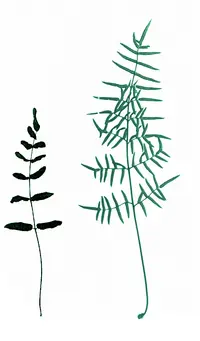
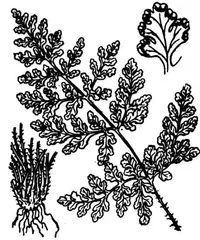
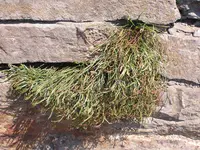
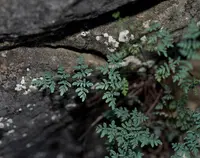
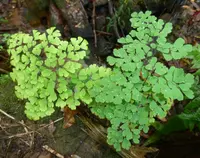
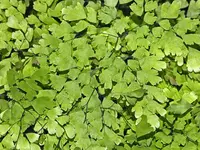
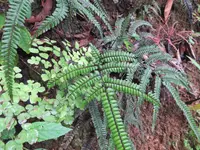
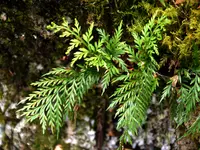
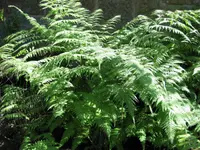
Purple-stem cliffbrake (Hemionitis atropurpurea) is a small, clumping fern known for its slender, often dark purplish stems and delicate, divided fronds. It forms low, airy tufts that suit containers, rock gardens, or shaded crevices.
This species occurs in rocky, well-drained habitats, often on cliffs or slopes in warmer regions. It prefers bright, indirect light, moderate moisture, and a loose, gritty substrate that does not stay waterlogged.
Its compact size and relatively slow growth make it manageable, but consistent moisture and good drainage are important to successfully care for purple-stem cliffbrake.

Care Difficulty
Moderate Care

Light Preference
Partial Shade

Water Requirements
Keep Soil Moist

Temperature Preference
Tropical / Frost Sensitive

Hardiness Zone
11–12

Soil Texture
Loamy, Peaty, Organic-rich

Soil pH
Acidic (5.5–6.5), Slightly acidic (6.5–7.0)

Soil Drainage
Moist but well-drained

Fertilization
Light (every 4–6 weeks)
Scan your plant to receive care tips personalized for your specific plant
Available on iOS and Android
This fern prefers soft, woodland-style light rather than direct, open sun.
This fern needs steadily moist but not waterlogged conditions to stay healthy.
This species prefers mild, stable temperatures similar to a shaded woodland environment.
This fern needs consistently moist air to keep fronds healthy and prevent tip dieback.
This species prefers a loose, humus-rich, sharply draining yet evenly moist substrate.
This fern is well suited to container growing when moisture control and stability are managed carefully.
This fern benefits from light, controlled feeding rather than heavy fertilization.
Pruning needs for Hemionitis atropurpurea are minimal and focus on cleanliness and frond renewal.
Container-grown plants benefit from careful, infrequent repotting to refresh the root zone.
Propagation is usually done by careful division, as spore raising is slow for most home growers.
This fern is not very frost tolerant and needs protection in cold climates, especially in containers.

Plant Health Check
Not sure what's wrong with your plant? Check your plant's health inside the app.
This species is known for the deep purple coloration on the underside of its fronds, a pigment pattern thought to protect developing tissues from excess light while the leaf is still tender.
In nature it often grows as a lithophyte, anchoring its roots into crevices of rocks or on mossy surfaces rather than deep soil, which influences its preference for airy, fast-draining substrates in cultivation.
It is a small fern native to tropical regions of the Americas, where it forms low, delicate clumps in shaded, humid habitats, making it a candidate for specialized collections despite being uncommon in general horticulture.
Brown leaf tips or fronds usually result from low humidity, chronic underwatering, or salt buildup from fertilizer. Improve ambient humidity, water thoroughly but not constantly, and flush the potting mix occasionally to remove excess dissolved salts.
Keep your plants happy and healthy with plant identification, disease detection, and easy care guidance.