Sierra cliffbrake Care (Hemionitis brachyptera)

Sierra cliffbrake

About Sierra cliffbrake

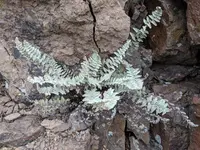
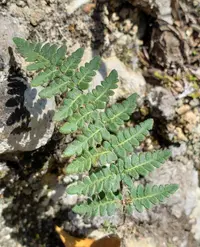
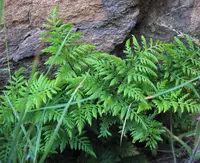
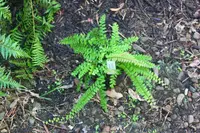
Sierra cliffbrake (Hemionitis brachyptera) is a small, rock-dwelling fern native to dry, mountainous regions of the western United States. It usually grows in crevices or on cliffs, forming compact clumps of finely divided fronds.

The fronds often look delicate but are relatively tough, adapted to bright light, good air movement, and fast-draining, often rocky substrates. These traits make it more drought-tolerant than many ferns but less forgiving of heavy, wet potting mixes.

For those who want to care for Sierra cliffbrake successfully, it helps to mimic its native conditions with bright light, excellent drainage, and moderate, not constant, moisture.

Main Plant Requirements

Care Difficulty

Moderate Care

Light Preference

Partial Shade

Water Requirements

Keep Soil Moist

Temperature Preference

Warm Climate

Hardiness Zone

9–11

Soil Texture

Loamy, Rocky, Organic-rich

Soil pH

Acidic (5.5–6.5), Slightly acidic (6.5–7.0)

Soil Drainage

Moist but well-drained

Fertilization

Minimal (feed rarely)

Get Personalized Care Plan

Scan your plant to receive care tips personalized for your specific plant

Available on iOS and Android

How to Care for the Sierra cliffbrake

This fern prefers soft, filtered light that mimics bright, sheltered rock or woodland ledges.

  • Provide 3–5 hours of gentle morning sun with bright dappled or open shade the rest of the day; avoid harsh midday and afternoon direct sun.
  • Site Sierra cliffbrake where rocks, shrubs, or shade cloth break the light, preventing leaf scorch and crisped fronds in strong sun.
  • In summer, increase shade if fronds pale or curl at the edges; in winter, allow slightly more exposure so the plant still receives 4–6 usable light hours.

This species favors consistently moist but never waterlogged soil around its shallow roots.

  • Water when the top 2–3 cm of soil feel barely damp, using a slow soak so moisture penetrates but excess drains away completely.
  • Choose gritty, fast-draining soil on a slope or raised area; yellowing, limp fronds suggest overwatering and poor drainage, while crisp, browning tips indicate underwatering.
  • Reduce watering frequency in cool seasons while still preventing full drying; in hot, dry weather, check soil every 1–2 days and water before it becomes dusty and pale.

This fern is adapted to mild, frost-prone climates and dislikes temperature extremes.

  • Aim for 55–75°F (13–24°C) for active growth, as Hemionitis brachyptera performs best in stable, moderate conditions with cool nights.
  • Tolerates brief drops to about 25–28°F (-4 to -2°C) if soil is well drained, but repeated hard freezes or frozen, saturated ground can damage rhizomes.
  • In hot spells above 85°F (29°C), increase shade and airflow and avoid reflected heat from rock or pavement that can overheat fronds and roots.

This fern prefers moderately high, stable humidity to keep fronds healthy and hydrated.

  • Aim for 50–70% humidity; it tolerates brief dips lower but prolonged dry air causes crisping frond edges.
  • Watch for pale, curling tips and stalled new fronds as signs of humidity stress in Sierra cliffbrake.
  • Increase humidity with a pebble tray, grouping plants, or a small humidifier rather than frequent misting.

This fern needs loose, moisture-retentive but free-draining soil that mimics leaf litter on rocky slopes.

  • Use a mix of roughly 40% peat or coco coir, 40% compost, and 20% perlite or fine bark for structure and drainage.
  • Aim for slightly acidic to neutral pH, around 6.0–7.0, which supports nutrient uptake and root health.
  • Ensure the mix stays evenly moist without becoming waterlogged; excess fine sand or heavy clay should be avoided.
  • Improve aeration by adding extra perlite or fine bark if the mix compacts or stays soggy for more than a day.

This species adapts well to container growing when moisture and aeration are balanced.

  • Choose a pot that is wider than it is deep so shallow roots can spread and rhizomes stay near the surface.
  • Select a slightly porous material such as unglazed clay if the mix stays wet for long, to moderate moisture around roots.
  • Place the container where it cannot be easily knocked or tilted, since light arching fronds can make the plant unevenly weighted.

Hemionitis brachyptera is a light feeder that benefits from modest nutrition during active growth.

  • Use a balanced liquid fertilizer (such as 10-10-10) diluted to 1/4–1/2 strength for caring for Sierra cliffbrake in pots.
  • Feed every 4–6 weeks in spring and summer when new fronds are forming.
  • Avoid fertilizing in late fall and winter, or apply only once midwinter if growth continues indoors.
  • Choose slow-release pellets or a thin layer of compost for a gentler, longer-lasting nutrient supply.

Hemionitis brachyptera needs only light pruning to maintain health and appearance.

  • Best time is late winter to early spring, before strong new growth starts.
  • Remove dead, yellowing, or damaged fronds at the base with clean, sharp scissors or snips.
  • Thin out crowded fronds to improve air flow and reduce fungal problems in humid spots.
  • Limit pruning to cosmetic shaping, as heavy cutting can weaken the plant and slow growth.

This fern prefers stable conditions and only occasional repotting or transplanting.

  • Check for roots circling the pot, pushing through drainage holes, or noticeably slowed growth as signs it needs more space.
  • Plan repotting for early spring every 2–3 years, shifting to a container only 2–5 cm wider.
  • Use a loose, well-drained, humus-rich mix and keep the root ball intact to limit disturbance.
  • Water thoroughly after moving, keep humidity moderate to high, and shade from harsh sun for 1–2 weeks to reduce stress.

Hemionitis brachyptera is usually propagated by division, as spore raising is slow and technical.

  • Divide established clumps in early spring when new growth just starts.
  • Lift the plant carefully, then separate sections with several fronds and healthy roots using a clean knife or by hand.
  • Plant divisions into small pots with moist, fine-textured, well-drained mix.
  • Maintain high humidity, stable warmth (65–75°F), and gentle shade until new fronds appear.

This fern dislikes hard frost and benefits from sheltered winter conditions, especially in containers.

  • In regions below about 25–30°F, grow in pots that can be moved to a cool, bright, frost-free spot for winter.
  • For in-ground plants in mild climates, apply a 3–5 cm mulch around the root zone, keeping it off the crown.
  • Reduce watering in winter, keeping soil lightly moist but never saturated, to prevent root rot.

Care Tips

Rocky root anchor

Plant into a shallow, wide container with a few stable rocks partially embedded in the mix so the rhizomes can grip, which reduces wobbling and broken fronds over time.

Careful frond grooming

Remove only fully browned or clearly diseased fronds at the base with sterilized scissors, leaving slightly tired but still green fronds to continue supporting the rhizome.

Targeted pest monitoring

Inspect the undersides of fronds and the rhizome crevices every 1–2 weeks with a hand lens, so scale or spider mites are detected early and can be treated before fronds distort.

Gradual light shifts

When moving the plant to a brighter position, increase light levels stepwise over 7–10 days using distance from the window or a sheer curtain to prevent frond scorch.

Seasonal rest adjustment

In winter, allow a slightly lighter, airier substrate surface and marginally longer intervals between waterings to match the plant’s slower growth, which supports long-term success in growing Sierra cliffbrake.

Common Pests and Diseases

Scale insects

This pest feeds on frond sap, leading to yellowing, stunted pinnae, and sticky honeydew that can attract sooty mold on the delicate foliage.

Solution

Wipe fronds and stipes gently with a cotton pad dipped in diluted isopropyl alcohol, then rinse with lukewarm water; for larger infestations, apply a light horticultural oil or insecticidal soap targeting the undersides of fronds and repeat every 7–10 days until no new scale appears.

Fern aphids

These insects cluster on young fronds and rachises, causing curling, distortion, and a general decline in vigor, especially in sheltered or greenhouse-grown plants.

Solution

Shower the plant with a gentle but thorough stream of water to dislodge colonies, then use an insecticidal soap or neem-based spray at 7–10 day intervals, paying special attention to tender new growth and improving air movement around the plant to discourage reinfestation.

Rhizoctonia crown rot

This disease affects the crown and upper roots, with symptoms including sudden wilting, frond collapse, and dark, sunken lesions at the base of the plant in overly warm, wet substrates.

Solution

Remove and discard affected plants or severely rotted crowns, improve drainage and reduce watering frequency, and avoid overhead watering; if caught early, repot into fresh, free-draining medium after trimming out all discolored tissue and sterilizing pots and tools.

Botrytis leaf blight

This disease causes water-soaked spots on thin fronds that expand into brown patches with a gray, fuzzy mold under cool, humid, low-light conditions.

Solution

Prune and discard affected fronds promptly, increase air circulation, avoid wetting foliage, and allow the surface of the substrate to dry slightly between waterings; in persistent cases, use a fern-safe fungicide and reduce overcrowding around the plant to limit humidity buildup.

Interesting Facts

Endemic Sierra Nevada fern

This fern is native to a very limited range in the southern Sierra Nevada of California, where it grows naturally on rocky slopes and cliffs at higher elevations.

Specialist on cliff habitats

It typically anchors into cracks of granitic rock, tolerating shallow, fast-draining substrates that many other ferns cannot occupy.

Distinctive leathery fronds

Compared with many finer-textured ferns, it has relatively thick, somewhat leathery leaf blades that help reduce water loss in its exposed, rocky habitats.

FAQs about Sierra cliffbrake

This species forms small, slowly expanding clumps and typically stays well contained. It spreads mainly by short creeping rhizomes and spores on nearby suitable rock crevices, not by fast-running roots, so it is not considered aggressive.

Grow Healthy Plants with Botan Care

Keep your plants happy and healthy with plant identification, disease detection, and easy care guidance.

Botan plant care app — identify plants on mobile

Explore More Plants