Mickelopteris Care (Hemionitis cordata)

Mickelopteris

About Mickelopteris

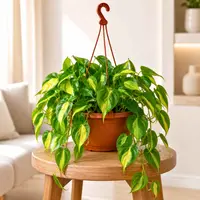
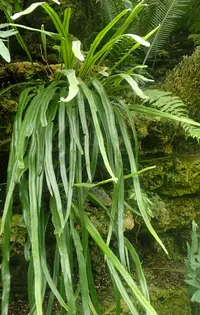
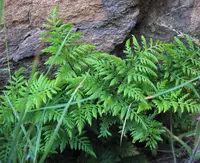
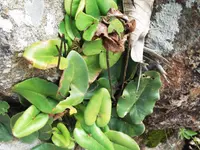
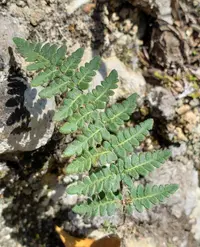
Mickelopteris, correctly known as Hemionitis cordata, is a small terrestrial fern valued for its heart-shaped fronds and compact, clumping growth. It stays relatively low and forms a dense, graceful tuft of foliage.

In nature it occurs in humid, shaded habitats in parts of tropical and subtropical Asia, often on forest floors or rocky slopes. This origin explains its preference for consistent moisture, higher humidity, and protection from strong direct sun.

The plant suits terrariums, shaded windowsills, and other sheltered indoor spots, but it is less forgiving of drought or very dry air. Understanding how to care for Mickelopteris mainly involves keeping conditions stable rather than providing complex care routines.

Main Plant Requirements

Care Difficulty

Moderate Care

Light Preference

Bright Indirect Light

Water Requirements

Keep Soil Moist

Temperature Preference

Tropical / Frost Sensitive

Hardiness Zone

10–11

Soil Texture

Loamy, Peaty, Organic-rich

Soil pH

Acidic (5.5–6.5)

Soil Drainage

Moist but well-drained

Fertilization

Light (every 4–6 weeks)

Get Personalized Care Plan

Scan your plant to receive care tips personalized for your specific plant

Available on iOS and Android

How to Care for the Mickelopteris

This fern prefers soft, filtered light similar to a shaded forest floor.

  • Provide bright, indirect light or dappled shade; 2–4 hours of gentle morning sun is acceptable, but avoid direct midday or afternoon sun that can scorch fronds.
  • Mickelopteris grows well in partial to full shade outdoors, such as under trees or on a shaded patio, as long as there is bright ambient light for at least 6–8 hours.
  • In summer, move containers or adjust garden placement to reduce intense sun; in winter, ensure it still receives bright indirect light to prevent weak, stretched growth.

This fern prefers consistently moist but not waterlogged soil.

  • Water when the top 1–2 cm of soil feels slightly dry, aiming to keep the root zone evenly damp rather than letting it fully dry out.
  • Use loose, humus-rich soil with good drainage; soggy soil, yellowing fronds, and a sour smell indicate overwatering, while crisping frond edges suggest underwatering.
  • In warm, active growth periods, expect more frequent watering; reduce slightly in cooler seasons while still preventing the root ball from drying out completely, especially for Hemionitis cordata in containers.

This species thrives in mild, stable temperatures with protection from extremes.

  • Aim for 65–80°F (18–27°C) for best growth, where fronds stay lush and new leaves emerge steadily.
  • Protect it from cold; growth slows below about 55°F (13°C), and sustained exposure near 40°F (4°C) or frost can damage or kill fronds and rhizomes.
  • In hot spells above 85°F (29°C), give extra shade and humidity, and avoid placing the plant near heat-reflecting surfaces or drying winds that stress the foliage.

This fern needs consistently high humidity to keep its delicate fronds healthy.

  • Aim for 60–80% humidity, as dry central heating air will damage fronds.
  • Crisping tips, curling fronds, and stalled growth indicate humidity stress in Mickelopteris.
  • Use a nearby humidifier, closed terrarium, or pebble tray and group plants to raise local humidity.

This fern prefers a loose, moisture-retentive yet airy mix similar to an epiphytic potting medium.

  • Use a mix of peat or coco coir, fine bark, and perlite to create a light, organic-rich substrate for Hemionitis cordata.
  • Ensure fast drainage; the mix should drain within seconds yet feel slightly spongy so roots stay moist, not waterlogged.
  • Keep pH mildly acidic to neutral, around 5.5–7.0, avoiding very alkaline mixes that can limit nutrient uptake.
  • Avoid dense garden soil or heavy clay that compacts, blocks air around roots, and stays wet for long periods.

This species grows very well in containers when moisture and drainage are carefully balanced.

  • Choose a relatively shallow but wide pot so the fine roots can spread through the upper substrate without staying waterlogged at depth.
  • Select plastic or glazed ceramic to slow evaporation if the home environment is dry, adjusting watering in more porous clay pots.
  • Lift the pot slightly on feet or a stand so water drains freely and the lower drainage holes are not sealed against the saucer surface.

Hemionitis cordata responds well to light, consistent feeding during active growth in spring and summer.

  • Use a balanced liquid fertilizer (around 10-10-10 or 20-20-20) diluted to 1/4–1/2 strength for Mickelopteris.
  • Apply every 4–6 weeks while new fronds are forming, on already-moist soil to avoid root burn.
  • Pause or reduce feeding to 1 application in midwinter if growth slows noticeably indoors.
  • Avoid heavy compost or strong slow-release pellets that can accumulate salts in small pots.

Hemionitis cordata needs only light pruning to stay tidy and healthy.

  • Best time to prune is late winter to early spring, before vigorous new fronds emerge.
  • Snip off dead, yellowing, or damaged fronds at the base with clean, sharp scissors.
  • Remove a few crowded or crossing fronds to open the clump and improve air flow.
  • Avoid cutting green, healthy fronds heavily, as this can weaken the plant and slow growth.

This fern prefers snug pots but benefits from periodic repotting to refresh soil and relieve root congestion.

  • Plan to repot every 2–3 years in spring when roots circle the pot or growth slows.
  • Choose a container 2–3 cm wider with good drainage and a light, humus-rich mix.
  • Gently loosen circling roots and trim only damaged sections to reduce transplant shock.
  • Water thoroughly after repotting, keep humidity high, and shade from strong sun for 1–2 weeks.

Hemionitis cordata is most reliably propagated by careful division of mature clumps.

  • Divide in spring when the plant is actively growing and has several healthy crowns.
  • Unpot, gently tease apart the root ball, and separate into sections with at least 2–3 fronds each.
  • Replant divisions in small pots with moist, airy mix and maintain 70–80% humidity.
  • Keep in warm, bright, indirect light and avoid waterlogging while new roots establish.

This fern is not strongly frost hardy and benefits from protective winter care in cooler climates.

  • In regions below 40°F, grow mainly in containers and overwinter indoors near bright, indirect light.
  • Maintain indoor temperatures around 60–75°F and keep soil slightly moist, never saturated.
  • Outdoors in mild climates, apply a thin mulch around the root zone, avoiding direct crown contact.

Care Tips

Rhizome-safe repotting

When repotting, keep the creeping rhizomes just at or slightly above the soil surface and spread them horizontally, as burying them deeply often leads to rot and stalled growth.

Pebble-tray humidity

Place the pot on a wide tray filled with water and pebbles so the base sits above water level, which raises local humidity around the fronds without waterlogging the root zone.

Soft-water preference

Use rainwater, distilled, or filtered water with low mineral content to prevent leaf burn and white crust on the soil surface, which this fern is particularly sensitive to over time.

Gentle frond grooming

Remove only fully dead, dry fronds by cutting them at the base with sterilized scissors, and leave any green or partially green fronds in place to continue contributing to photosynthesis.

Shallow pot selection

Choose a wide, relatively shallow pot rather than a very deep one, as the compact root system and creeping rhizomes establish more evenly and are easier to monitor when caring for Mickelopteris.

Common Pests and Diseases

Scale insects

This pest often appears as small brown or tan bumps on fronds and wiry stems, sucking sap and causing yellowing and general decline. Symptoms include sticky honeydew and sooty mold on nearby surfaces.

Solution

Isolate the plant, then gently scrape or wipe insects off fronds and stems with a cotton swab dipped in 70% isopropyl alcohol, and rinse foliage with lukewarm water. For heavier infestations, use a ready-to-use insecticidal soap or neem oil spray every 7–10 days, and reduce plant stress by keeping humidity stable and avoiding direct sun.

Spider mites

These insects thrive on the thin, heart-shaped fronds in warm, dry indoor air, causing pale stippling, dull fronds, and fine webbing along the underside of leaves. This pest can quickly weaken the plant if humidity is low and air is stagnant.

Solution

Shower the plant gently to wash off mites, focusing on the undersides of fronds, then increase humidity to 60–70% and avoid hot, dry drafts. Apply insecticidal soap or a horticultural oil labeled for mites every 5–7 days for several cycles, and keep the plant slightly separated from others until new growth appears clean, which is essential for stable Hemionitis cordata care.

Rhizoctonia leaf spot

This disease causes irregular brown or gray spots on fronds, often with a darker edge, which can merge and distort the delicate leaves. Symptoms include rapid spread in warm, humid, poorly ventilated conditions and along wet frond surfaces.

Solution

Remove and discard all affected fronds, avoid overhead watering, and allow the fronds to dry quickly by improving airflow around the plant. If spotting continues, treat with a fungicide labeled for Rhizoctonia on ferns and reduce crowding and prolonged leaf wetness to prevent reinfection.

Bacterial blight

This disease starts as water-soaked, translucent patches on young fronds that turn brown or black and may have a greasy or slimy appearance. Symptoms include rapid collapse of tender growth when moisture remains on the foliage for long periods.

Solution

Cut off and discard all visibly affected fronds, sterilizing scissors between cuts, and avoid misting directly onto leaves, especially in cool conditions. Improve air circulation, water at the soil level, and keep the plant in a stable, warm spot; if spread continues, discard severely affected plants to protect nearby ferns.

Interesting Facts

Heart‑shaped frond dimorphism

This species produces two distinct frond types: small, simple, heart‑shaped sterile fronds and longer, more divided fertile fronds that bear spores on their undersides, a clear example of leaf dimorphism in ferns.

Climbing rock‑crevice habit

In its native habitats in tropical Asia, this fern often anchors itself in rock crevices or on vertical surfaces, using a creeping rhizome and wiry stipes to cling to rough, shaded substrates rather than growing in deep soil.

Unusual house fern

Unlike many common indoor ferns that belong to genera such as Nephrolepis or Asplenium, this species is part of a smaller, less familiar lineage, so Mickelopteris indoor care often differs from that of more typical fern houseplants, especially in its tolerance of slightly drier conditions around the rhizome.

FAQs about Mickelopteris

Brown, crispy edges usually result from low humidity, missed waterings, or fertilizer salts building up in the soil. Increase humidity, water evenly, flush the pot occasionally, and keep it away from hot or cold drafts.

Grow Healthy Plants with Botan Care

Keep your plants happy and healthy with plant identification, disease detection, and easy care guidance.

Botan plant care app — identify plants on mobile

Explore More Plants