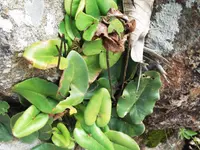
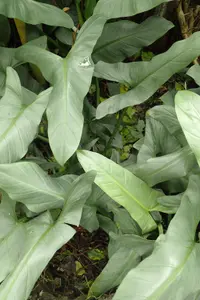
bristly cloak fern Care (Hemionitis distans)

bristly cloak fern

About bristly cloak fern

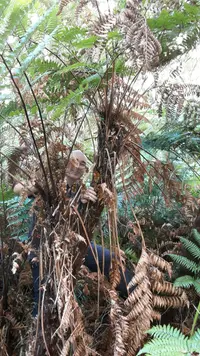
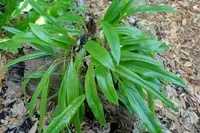
Bristly cloak fern (Hemionitis distans) is a small tropical fern valued for its fine, textured fronds and compact, clumping growth. It often forms soft, bristly-looking foliage that gives a delicate, mossy effect.

In nature, it is typically found in humid, shaded forests of Southeast Asia and surrounding regions, where it grows on moist ground or among rocks and leaf litter. The plant prefers consistently moist, airy substrates and gentle, filtered light, which should guide how to care for bristly cloak fern in homes or terrariums.

Its small size and relatively slow growth make it suitable for indoor collections, but it can be sensitive to drying out and low humidity, so stable conditions are important.

Main Plant Requirements

Care Difficulty

Moderate Care

Light Preference

Partial Shade

Water Requirements

Keep Soil Moist

Temperature Preference

Tropical / Frost Sensitive

Hardiness Zone

10–11

Soil Texture

Loamy, Peaty, Organic-rich

Soil pH

Acidic (5.5–6.5)

Soil Drainage

Moist but well-drained

Fertilization

Light (every 4–6 weeks)

Get Personalized Care Plan

Scan your plant to receive care tips personalized for your specific plant

Available on iOS and Android

How to Care for the bristly cloak fern

This fern prefers soft, filtered light that mimics a shaded forest floor.

  • Provide bright, indirect light or dappled shade, such as 2–4 hours of gentle morning sun and shade the rest of the day.
  • Protect bristly cloak fern from harsh midday and afternoon sun, which can scorch fronds, cause crisp brown edges, and pale, washed-out foliage.
  • In low-light spots, fronds may grow sparse and leggy; move slightly closer to a bright window or open shade, especially in winter when day length shortens.

This species needs steadily moist but not waterlogged soil to stay healthy.

  • Water when the top 1–2 cm of soil feels barely dry, aiming to keep the root zone evenly damp without standing water.
  • Use a rich, well-draining mix; persistent sogginess, yellowing fronds, and a sour smell suggest overwatering, while crispy tips and limp, curling fronds point to underwatering.
  • In cooler seasons, allow the surface to dry a little deeper and reduce volume, but avoid letting Hemionitis distans dry out completely for long periods.

Consistent, mild warmth supports steady growth of this fern.

  • Aim for 65–80°F (18–27°C) for best growth, with stable conditions and limited daily swings in temperature.
  • Protect from cold below 50°F (10°C); brief dips may be tolerated, but frost can permanently damage fronds and rhizomes.
  • In hotter periods above 85°F (29°C), increase shade and humidity, avoid hot, reflected sun, and ensure good air movement without placing the plant in drying drafts.

This fern needs consistently high humidity to maintain healthy fronds and avoid crisping.

  • Aim for 60–80% humidity; growth slows and fronds dry at typical heated indoor levels below 40%.
  • Crisping tips, folded fronds, and brown edges indicate humidity stress rather than underwatering.
  • Increase humidity with a nearby humidifier, grouped plants, or a pebble tray placed directly under the bristly cloak fern pot.

This fern prefers a loose, moisture-retentive but airy mix similar to fine orchid or fern substrates.

  • Use a mix of 50–60% peat or coco coir with fine bark, plus perlite or pumice for structure and drainage.
  • Ensure the soil drains freely yet stays slightly damp; water should pass through within seconds, not pool on the surface.
  • Aim for slightly acidic to neutral pH around 5.5–7.0, avoiding limed or strongly alkaline components.
  • Avoid dense clay, pure garden soil, or mixes dominated by sand that either suffocate roots or dry out too rapidly for Hemionitis distans.

This species is well suited to container growing due to its compact but shallow-rooting habit.

  • Select a wide, shallow pot that allows rhizomes to spread horizontally while avoiding deep, unused soil that stays wet.
  • Use a slightly heavier ceramic or clay container to stabilize the light foliage mass and prevent tipping when the substrate is moist.
  • Choose pots with multiple small drainage holes rather than one large opening to shed water quickly yet retain evenly moist media.

Hemionitis distans is a light feeder that benefits from modest, consistent nutrition during active growth.

  • Use a balanced liquid fertilizer (around 10-10-10 or 20-20-20) diluted to 1/4–1/2 strength for bristly cloak fern.
  • Feed every 4–6 weeks in spring and summer when new fronds are forming.
  • Skip or reduce feeding to 1 light dose in fall and winter, especially in low light.
  • Avoid granular or strong slow-release products that can burn fine roots; flush the pot occasionally to prevent salt buildup.

Pruning needs for Hemionitis distans are minimal and focus on cleanliness rather than shaping.

  • Best time to trim is late winter to early spring or whenever fronds turn fully brown.
  • Remove dead, yellowing, or damaged fronds at the base using clean, sharp scissors or snips.
  • Thin out crowded or tangled fronds to improve air circulation and reduce fungal issues.
  • Avoid heavy cutting into healthy green fronds, as this can slow growth and weaken the plant.

This fern prefers stable conditions and benefits from careful, infrequent repotting to avoid root disturbance.

  • Repot every 2–3 years or when roots circle the pot, water drains too quickly, or growth slows noticeably.
  • Choose spring as the best season, when Hemionitis distans is starting active growth and can recover faster.
  • Move up only 1 pot size with a moisture-retentive, well-drained mix, handling the root ball gently.
  • Water thoroughly after repotting, keep humidity high, and shade from strong light for 1–2 weeks to limit stress.

Hemionitis distans is usually propagated by division, as spore propagation is slower and more technical.

  • Divide established clumps in spring when new growth starts and temperatures are mild.
  • Lift the plant carefully, then separate sections with several fronds and healthy roots using a clean knife.
  • Plant divisions into small pots with fine, moist, well-drained fern mix, keeping crowns just above the surface.
  • Maintain high humidity, stable warmth (65–75°F), and gentle, indirect light until new fronds appear.

This fern is sensitive to frost and needs mild, protected winter conditions, especially in containers.

  • Keep temperatures above 50°F; prolonged exposure below this can damage fronds and roots.
  • Move potted plants indoors or into a frost-free greenhouse in regions with freezing nights.
  • Maintain slightly drier soil than in summer but never let the root ball fully dry out.
  • In mild climates, grow in sheltered, shaded spots and apply a thin mulch to buffer root-zone temperature.

Care Tips

Use shallow pots

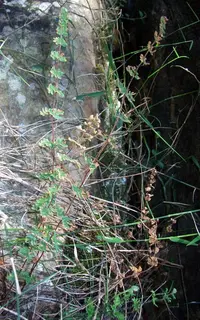
Grow this fern in a wide, shallow pot to match its surface, creeping rhizomes and allow new fronds to fill in as a soft groundcover layer rather than forcing deep root growth.

Refresh top layer

Every 6–12 months, gently scrape away 1–2 cm of exhausted surface mix and replace it with fresh, airy medium to renew nutrients without disturbing the delicate root system.

Protect fuzzy rhizomes

When repotting or dividing, handle only the soil mass and sturdier frond bases, avoiding direct pulling on the fine, bristly rhizomes that can easily tear and slow recovery.

Targeted mist barrier

Instead of heavy foliage misting, lightly mist the air space around the plant and the inside of surrounding cachepots or terrarium walls to raise local humidity while keeping the delicate fronds drier and less disease-prone.

Use stable staging

Place the pot on a steady, vibration-free surface away from door slams or heavy foot traffic, since repeated movement and jolts often cause mechanical damage to the brittle, wiry frond stalks when caring for bristly cloak fern.

Common Pests and Diseases

Scale insects

This pest attaches to the undersides of fronds and wiry stems, appearing as small brown or off-white bumps and causing gradual yellowing and stunted growth.

Solution

Isolate the plant, then gently wipe fronds and stems with a cotton pad dipped in 70% isopropyl alcohol or insecticidal soap, repeating every 7–10 days until no new scale appears; improve air movement and avoid overfertilizing, which can encourage outbreaks.

Mealybugs

These insects form white, cottony clusters in frond bases and along the thin stems, sucking sap and causing distorted new growth and sticky honeydew deposits.

Solution

Physically remove visible clusters with a cotton swab dipped in alcohol, then treat the whole plant with a ready-to-use insecticidal soap or horticultural oil, ensuring thorough coverage of the undersides of fronds and stem joints and repeating at least twice at 7–10 day intervals.

Spider mites

This pest thrives in the warm, dry conditions often used for indoor ferns, leading to pale mottling on fronds and very fine webbing between leaf segments.

Solution

Shower the plant with a gentle, lukewarm spray to dislodge mites, then apply insecticidal soap or a light horticultural oil, keeping humidity higher (50–60% or more) and avoiding placement near heat vents or strong drafts to reduce reinfestation.

Bacterial leaf spot

This disease causes small, water-soaked or translucent spots on the delicate fronds that may turn brown and coalesce, making the foliage look patchy and tattered.

Solution

Remove and discard affected fronds, avoid overhead watering, increase air circulation around the plant, and keep foliage as dry as possible; if spread continues, dispose of the entire plant to protect nearby ferns, since chemical control for bacterial issues on indoor ferns is limited.

Fungal frond blight

Symptoms include irregular brown lesions starting at the tips or edges of fronds, often developing under persistently humid, stagnant air and crowded conditions.

Solution

Cut off and discard damaged fronds, thin surrounding plants to improve airflow, water at the soil level in the morning so fronds dry quickly, and if needed apply a fern-safe fungicide labeled for leaf spot or blight, following the product label exactly and repeating as directed.

Interesting Facts

Miniature epiphyte specialist

This fern typically grows as a small epiphyte on tree trunks or mossy rocks in humid tropical forests, forming delicate mats rather than large clumps on the ground.

Distinct bristly textures

The species name distans refers to its noticeably bristly, hair-covered fronds and stalks, which give the plant a rough texture compared with many smoother hemionitis relatives.

Moss-like growth habit

In the wild, its fine, divided fronds and creeping rhizomes can create a moss-like appearance on shaded substrates, which often leads to it being overlooked or mistaken for a non-fern ground cover.

FAQs about bristly cloak fern

Brown tips or fronds usually come from low humidity, inconsistent watering, or exposure to hot, dry air. Increase ambient humidity, keep the root zone lightly moist but not saturated, and move it away from heaters or strong drafts.

Grow Healthy Plants with Botan Care

Keep your plants happy and healthy with plant identification, disease detection, and easy care guidance.

Botan plant care app — identify plants on mobile

Explore More Plants