Hemipholiota populnea Care

Hemipholiota populnea

About Hemipholiota populnea

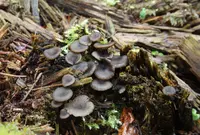
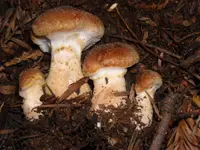
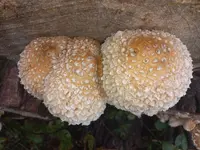
Hemipholiota populnea is a wood-inhabiting mushroom rather than a leafy plant. It typically forms dense clusters of medium-sized, yellow-brown caps on dead or decaying hardwood, especially poplar and related trees. The caps often have fine scales, and the stems are sturdy, giving the clusters a robust, layered look.

This species is mainly found in temperate regions of Europe and parts of Asia, appearing in moist, shaded woodland habitats. It relies on rotting wood as its substrate, so it is not a typical garden or indoor species. For those studying fungi or managing woodland, understanding how to care for Hemipholiota populnea mainly involves preserving suitable deadwood and stable, humid conditions rather than conventional soil-based cultivation.

Main Plant Requirements

Care Difficulty

Moderate Care

Light Preference

Partial Shade

Water Requirements

Regular Water

Temperature Preference

Cool Climate

Hardiness Zone

Unknown

Soil Texture

Loamy, Organic-rich

Soil pH

Slightly acidic (6.5–7.0)

Soil Drainage

Moist but well-drained

Fertilization

Minimal (feed rarely)

Get Personalized Care Plan

Scan your plant to receive care tips personalized for your specific plant

Available on iOS and Android

How to Care for the Hemipholiota populnea

This wood-inhabiting fungus prefers cool, shaded forest conditions rather than strong direct sun.

  • Provide bright shade or dappled light under trees, with at most 1–2 hours of gentle morning sun and no harsh afternoon sun on fruiting bodies.
  • Hemipholiota populnea fruits best where logs or stumps stay shaded most of the day, protected from direct midsummer sun that can dry caps and substrate.
  • In open sites, use leaf litter, bark, or nearby shrubs to create filtered light and reduce rapid surface drying during warm, clear periods.

Moist, not waterlogged, wood is essential for successful fruiting.

  • Allow the outer 1–2 cm of the colonized log or stump to stay slightly damp; if it feels dry and light, gently re-wet the surface.
  • Use soft spray or slow soaking so water penetrates the wood without leaving standing puddles, which encourage anaerobic conditions and competing molds.
  • In dry or windy weather, increase misting frequency, while in cool, wet seasons rely mostly on rainfall and monitor for sour or musty odors indicating excess moisture.

This species fruits in cool to mild conditions and is sensitive to hard frost and extreme heat.

  • Aim for a growing range around 50–68°F (10–20°C), when mycelium activity and fruiting are generally most reliable.
  • Short drops to about 32°F (0°C) may be tolerated in dormant wood, but repeated hard frost below 28°F (-2°C) can damage developing fruiting bodies.
  • In hot periods above 77–82°F (25–28°C), provide extra shade and moisture to prevent substrate overheating and drying, which can halt or deform fruiting.

This wood-rotting fungus has low humidity demands and usually does not require special humidity management in outdoor culture.

This fungus is saprophytic on wood rather than true soil, but substrate conditions still strongly affect fruiting.

  • Use fresh, undecayed poplar or related hardwood logs or large branches with firm structure rather than crumbly, fully decomposed wood.
  • Ensure the wood remains evenly moist but not waterlogged by situating it where rain reaches it yet excess surface water can drain away.
  • Keep the substrate slightly acidic to neutral (around pH 5.5–7) by avoiding lime-treated timbers or strongly alkaline runoff.
  • Improve aeration by spacing logs so air can move freely around them, which helps prevent anaerobic, foul-smelling rot.

This species is not well suited to container cultivation, as it naturally colonizes standing or fallen poplar wood rather than mineral substrate.

This wood-decaying fungus grows on nutrient-rich poplar and often needs no additional fertilizer in cultivation.

Pruning is not a standard practice for Hemipholiota populnea, since the fungus fruits from woody substrate rather than forming a prunable plant structure.

Transplanting focuses on moving colonized wood rather than handling roots, since this species lives in or on poplar logs and stumps.

  • Shift colonized logs or sections of wood in late winter or early spring, before peak fruiting activity.
  • Move only well-colonized pieces, identified by firm, white internal mycelium when wood is carefully split or inspected.
  • Transfer wood gently to a similar shaded, moist site to limit mycelium stress and drying.
  • Avoid frequent disturbance; once positioned, leave wood largely undisturbed so the colony can establish and fruit.

Propagation of this fungus is specialized and generally left to trained growers using sterile techniques.

Outdoor colonies on hardy poplar wood usually tolerate normal winter conditions in temperate climates without special care.

Care Tips

Use fresh substrate

Prepare fresh, clean hardwood chips or well-aged poplar logs for each cultivation cycle, as reusing old, contaminated substrate greatly reduces yield and increases the risk of competitor fungi.

Log hydration management

Before inoculating logs, soak them in clean water for 12–24 hours and then let them drain, and later re-soak or heavily irrigate only if the wood becomes very dry and lightweight, to maintain stable internal moisture without causing rot.

Shaded stacking method

Stack inoculated logs in a low, crisscrossed log cabin or lean-to pattern under stable shade to maintain airflow while reducing direct sun and wind that can dry out the mycelium.

Clean inoculation practice

Disinfect drill bits and tools with alcohol between logs, keep plug spawn or grain spawn chilled until use, and work quickly in calm air to reduce contamination when caring for Hemipholiota populnea.

Slug and insect barriers

Use copper tape bands around log stacks or apply a coarse ring of sharp grit at the base, and remove decaying plant debris nearby, to reduce slug and insect damage on emerging fruiting bodies without relying on broad-spectrum pesticides.

Common Pests and Diseases

parasitic fungi

This disease affects old poplar logs colonized by Hemipholiota populnea, where other wood-decay fungi invade the same substrate and outcompete it. Symptoms include rapid softening, darkening, or strong zonation of the decaying wood and loss of the typical firm, pale brown fruiting bodies.

Solution

Remove and discard heavily overrun wood pieces and avoid stacking multiple decaying hardwood species tightly together, which favors competitive fungi. Keep logs in a single layer with good airflow and moderate shade so surface moisture can dry between rains, and replace substrate when fruiting declines sharply.

wood-boring beetles

These insects tunnel through poplar and other hardwood logs, breaking up the internal wood that Hemipholiota populnea uses as a food source. This pest leaves small round exit holes, frass (fine sawdust), and channels that cause the substrate to dry out quickly and support fewer mushrooms.

Solution

Cut away and discard sections of logs with heavy tunneling and use fresh, intact hardwood where possible. Store logs off the ground on racks with good airflow and cover them with fine mesh or tight shade cloth during peak beetle flight periods to reduce new infestation.

bacterial soft rot

This disease affects the mushroom fruiting bodies, which become water-soaked, slimy, and develop an unpleasant odor, especially in warm, wet conditions. Symptoms include rapid collapse of caps and stems and a greasy surface film on clustered mushrooms.

Solution

Harvest mushrooms promptly when mature and remove any slimy or discolored clusters from the log and surrounding area. Improve air movement around the substrate, avoid overhead watering, and space logs so surfaces dry more quickly after rain to limit bacterial build-up and spread.

slug damage

These pests feed on young and mature fruiting bodies, leaving irregular holes, shredded cap edges, and slime trails on mushrooms and nearby wood. This pest is most active in cool, damp conditions and can destroy whole clusters overnight.

Solution

Hand-remove slugs during the evening or early morning and use physical barriers such as copper tape, coarse grit, or raised racks to make access to logs more difficult. Keep dense ground vegetation and wet debris away from the base of logs to reduce moist hiding spots that support slug populations and improve long-term Hemipholiota populnea care.

Interesting Facts

Poplar specialist

This species is strongly associated with old poplar trees, especially black poplar, where it fruits from trunk bases, stumps, and large wounds rather than from soil.

Distinctive scaly cap

Mature fruitbodies develop a yellow‑ochre to brown cap densely covered with darker, often sticky scales, which helps separate it from smoother‑capped look‑alike species in the same family.

Late-season fruiting

In much of Europe and similar temperate climates, it typically fruits in late summer to late autumn, often appearing after many common woodland mushrooms have already finished for the year.

FAQs about Hemipholiota populnea

This wood-inhabiting fungus is generally regarded as inedible. It is not cultivated for food, and identification can be difficult. Avoid consumption, since confusion with other brownish woodland fungi may carry poisoning risks.

Grow Healthy Plants with Botan Care

Keep your plants happy and healthy with plant identification, disease detection, and easy care guidance.

Botan plant care app — identify plants on mobile

Explore More Plants