white tubelet Care (Henningsomyces candidus)

white tubelet

About white tubelet

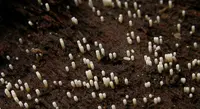
White tubelet, Henningsomyces candidus, is a tiny wood-inhabiting fungus rather than a typical leafy houseplant. It forms dense clusters of short, white, tube-like structures that look like fine coral or frost on decaying branches.

This species occurs mainly on rotting wood in humid forests, especially in tropical and subtropical regions, but can appear in greenhouses or very damp garden corners. It relies on consistently moist, shaded conditions and decaying wood to grow, which makes deliberate cultivation challenging.

For most plant owners, it appears incidentally on very wet wood or mulch instead of being intentionally grown, so information on how to care for white tubelet is limited.

Main Plant Requirements

Care Difficulty

Hard Care

Light Preference

Shade

Water Requirements

Keep Soil Moist

Temperature Preference

Cool Climate

Hardiness Zone

Unknown

Soil Texture

Loamy, Silty, Organic-rich

Soil pH

Strongly acidic (4.5–5.5), Acidic (5.5–6.5)

Soil Drainage

Moist but well-drained

Fertilization

Minimal (feed rarely)

Get Personalized Care Plan

Scan your plant to receive care tips personalized for your specific plant

Available on iOS and Android

How to Care for the white tubelet

This small decomposer fungus prefers low, indirect light that mimics a shaded forest floor.

  • Provide deep to partial shade with dappled or filtered light, such as beneath shrubs or trees receiving 1–3 hours of weak morning sun only.
  • Avoid direct midday or afternoon sun, which can dry the substrate and inhibit fruiting bodies of white tubelet.
  • Site it where light stays low year-round, using north or east sides of logs, stumps, or decaying wood in consistently shaded locations.

This fungus thrives on consistently moist, not waterlogged, decaying wood or organic debris.

  • Maintain evenly moist conditions by ensuring the host wood or litter does not fully dry; surfaces should feel damp but not slimy.
  • Increase moisture during warm, dry periods with gentle misting so the outer few millimeters of substrate stay moist, and reduce input during cool, rainy spells.
  • Watch for signs of stress: shriveling or disappearing fruiting threads suggests drying, while foul odor or soft, collapsing substrate points to prolonged saturation.

This species prefers cool to mild conditions similar to a shaded woodland microclimate.

  • Aim for an optimal range of 55–70°F (13–21°C) for steady growth and fruiting on decaying wood.
  • Below about 35°F (2°C), growth slows greatly and extended hard freezes can damage fruiting bodies, though the underlying mycelium may persist in protected wood.
  • Above 80°F (27°C), combined with dry air, fruiting reduces; extra shade and moisture help buffer short heat waves, but prolonged high heat is unfavorable.

This fungus requires consistently high humidity to fruit and persist on its substrate.

  • Aim for 80–95% humidity around developing fruiting bodies, as drier air quickly halts growth.
  • Expect shriveling, thinning, or browning of the white tubelet clusters when humidity drops for more than a few hours.
  • Increase humidity by using enclosed terrarium-style setups, frequent fine misting, or humidity tents over the colonized wood.

This species does not use soil and instead colonizes dead wood or very woody debris.

  • Provide sound but decaying hardwood pieces, keeping them moist so Henningsomyces candidus can feed on the lignin- and cellulose-rich tissue.
  • Avoid mineral garden soil, potting mix, or compost alone, since these lack the solid woody structure required for stable mycelial growth.
  • Partially bury or rest logs on consistently damp leaf litter or wood chips to maintain moisture while still allowing air gaps around the wood surface.
  • Keep the substrate airy by avoiding plastic wrapping or dense coverings that block gas exchange, which increases the risk of anaerobic pockets and decay odors.

This species is only marginally suitable for container culture and is best grown on prepared wood substrates rather than as a typical potted plant.

  • Use a shallow, wide container to hold wood pieces securely while maximizing exposed surface area for fruiting.
  • Drill or maintain side ventilation holes in any closed container to prevent stagnant, low-oxygen air around the colonized wood.
  • Elevate wood slightly above any water reservoir in the container so only humidity, not standing water, surrounds the mycelium-bearing substrate.

This tiny saprophytic fungus usually does not need fertilizer when growing on naturally decaying wood with adequate moisture.

Pruning Henningsomyces candidus is generally unnecessary and is limited to hygienic removal in managed displays or culture setups.

In cultivation, repositioning or transplanting focuses on renewing the decaying wood substrate rather than disturbing the fungal body.

  • Move colonized wood only when growth slows or substrate is heavily decomposed and drying out.
  • Best timing is during a stable, mild season, avoiding temperature or humidity extremes.
  • Transfer the mycelium with its original wood intact onto fresh, similarly decayed wood to limit shock.
  • Handle gently, keep the colony shaded and evenly moist, and avoid breaking or scraping the fruiting areas.

Intentional propagation of Henningsomyces candidus is specialized and not usually attempted by casual growers.

Outdoors on natural wood, this fungus is generally cold tolerant and needs no special winter care beyond stable habitat conditions.

Care Tips

Substrate rotation

Rotate or replace small sections of the decaying wood substrate every 2–3 months so the colony always has access to fresh lignin-rich material while older, exhausted wood can finish decomposing undisturbed.

Targeted mist zoning

Create a narrow high-humidity zone by misting only the immediate fruiting area and shielding nearby room surfaces with a plastic or acrylic panel, which limits excess moisture on walls while keeping the fungus primordia from drying out.

Gentle airflow management

Use a small fan on a very low, indirect setting aimed past rather than at the log to keep air moving enough to prevent mold, but avoid drafts that visibly sway or desiccate the delicate tube structures.

Harvest timing

Remove tube clusters as soon as they dull or collapse and before they sporulate heavily, which helps direct energy to new fruiting bodies and reduces spore buildup on nearby surfaces and equipment.

Contamination monitoring

Inspect the wood and surrounding area weekly for green, black, or fuzzy colonies and spot-treat with clean cuts of the substrate or by discarding small affected pieces so the desired mycelium maintains dominance when growing white tubelet.

Common Pests and Diseases

Desiccation

Symptoms include rapid drying, brittleness, and loss of the characteristic white coloration of the fruiting tubes. This condition develops when the substrate or surrounding air becomes too dry for sustained fungal growth.

Solution

Maintain consistently high humidity around 80–95% and ensure the woody substrate stays evenly moist but not waterlogged; mist gently or use a humidity tent in controlled culture. Remove completely dried fruiting bodies and improve environmental stability to encourage new, healthy growth, which is central to Henningsomyces candidus care instructions.

Substrate mold overgrowth

This disease appears when fast-growing competitor molds colonize the same wood or culture block, often showing as green, black, or gray fuzzy patches overtaking the delicate white tubelets. This overgrowth can starve the fungus of nutrients and lead to collapse of fruiting structures.

Solution

Physically remove heavily contaminated substrate sections and discard them away from the growing area. Improve air movement, reduce free water on surfaces, and start new cultures on clean, pasteurized wood or agar from uncontaminated tissue to restore a stable colony.

Bacterial soft rot

This disease causes local softening, sliminess, and discoloration of the fruiting bodies, often with a slight odor, especially under stagnant, overly wet conditions. Affected tubelets may collapse and detach easily from the substrate.

Solution

Trim away and discard all affected tissue and reduce surface wetness by limiting direct misting on the fruiting bodies. Increase airflow and maintain high humidity using indirect methods such as a humidifier or water trays rather than constant spraying, keeping the substrate moist but surfaces only slightly damp.

Fungus gnats

These insects lay eggs in moist fungal substrates, and the larvae can tunnel through mycelium and young tubelets, leading to distorted or aborted fruiting structures. Adults are often seen as small, dark flies hovering near very damp culture containers or decaying wood.

Solution

Allow the upper surface of the substrate to become just slightly less wet while keeping internal moisture adequate, which makes conditions less favorable for larvae. Use fine mesh covers on containers, sticky traps for adults, and refresh heavily infested substrate to reduce populations without severely altering the humidity that the fungus requires.

Interesting Facts

Minute tube fungus

This species forms tiny, densely packed white tubes on dead wood, often only a few millimeters long, giving branches a frosted or coral-like appearance when viewed up close.

Wood-decaying specialist

It is a saprotrophic fungus, meaning it feeds on and decomposes dead wood, contributing to nutrient recycling in forest ecosystems, especially in humid, shaded habitats.

Cosmopolitan distribution

Although easily overlooked due to its small size, this species has been recorded from multiple continents in both temperate and tropical regions, indicating a broad ecological tolerance where suitable decaying wood is available.

FAQs about white tubelet

This fungus develops relatively quickly once wood is sufficiently damp and decomposed, often appearing within weeks on suitable logs or branches. Individual fruiting bodies remain small, but new clusters can emerge repeatedly as the substrate continues to decay.

Grow Healthy Plants with Botan Care

Keep your plants happy and healthy with plant identification, disease detection, and easy care guidance.

Botan plant care app — identify plants on mobile

Explore More Plants