Hericium novae-zealandiae Care

Hericium novae-zealandiae

About Hericium novae-zealandiae

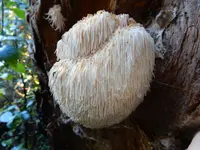
Hericium novae-zealandiae is a wood-decaying fungus, not a leafy plant, forming cascading white spines that hang like small icicles or shaggy teeth. It usually grows on dead or dying native trees.

This species is native to New Zealand forests, where it helps break down wood and recycle nutrients. It prefers cool, shaded, moist habitats and appears seasonally when conditions suit it.

For cultivation, growers often use sterilized hardwood substrates rather than soil, and stable humidity is important. Understanding how to care for Hericium novae-zealandiae starts with replicating its cool, damp, low-light forest environment as closely as possible.

Main Plant Requirements

Care Difficulty

Hard Care

Light Preference

Shade

Water Requirements

Keep Soil Moist

Temperature Preference

Cool Climate

Hardiness Zone

Unknown

Soil Texture

Organic-rich, Loamy

Soil pH

Acidic (5.5–6.5)

Soil Drainage

Moist but well-drained

Fertilization

Minimal (feed rarely)

Get Personalized Care Plan

Scan your plant to receive care tips personalized for your specific plant

Available on iOS and Android

How to Care for the Hericium novae-zealandiae

This wood-inhabiting fungus prefers cool, shaded forest conditions with limited direct sun exposure.

  • Provide dappled or filtered light, such as under trees or 1–3 hours of weak morning sun, avoiding strong midday and afternoon sun that can dry the substrate and damage developing fruiting bodies.
  • Aim for conditions similar to a shaded forest floor; 0–2 hours of direct sun is usually sufficient, with bright indirect light or full shade the rest of the day.
  • In hot summers, increase shade using leaf litter, logs, or shade cloth; in cooler seasons, slightly more indirect light helps support Hericium novae-zealandiae growth without overheating the substrate.

This fungus needs consistently moist, not waterlogged, wood or substrate to fruit well.

  • Maintain substrate moisture so it feels evenly damp but not soggy; on logs or stumps, the surface should look moist with no standing water or slimy patches.
  • Re-wet or irrigate when the outer 1–2 cm of substrate or bark begins to feel dry, adjusting more often in hot, windy weather and less in cool, humid periods.
  • Watch for signs of stress: overwatering leads to sour smells, slimy patches, and stalled growth, while underwatering causes shriveling, toughening, and slow or aborting fruiting bodies.

This species favors cool to mild conditions and reacts poorly to temperature extremes.

  • Target 50–68°F (10–20°C) for active growth and fruiting; colonized wood can tolerate brief drops to about 32°F (0°C) but fruiting bodies are easily damaged by hard frost.
  • Avoid prolonged heat above 77–82°F (25–28°C), which can dry the substrate and slow or halt development; provide shade and airflow during hot spells.
  • In cooler seasons, short exposures down to 28°F (-2°C) may be survived by the mycelium in wood, but recurrent freezing and thawing can damage exposed Hericium novae-zealandiae structures.

This fungus needs consistently high humidity to fruit well in cultivation.

  • Aim for 85–95% humidity during active growth and fruiting, using a humidified fruiting chamber or tent.
  • It tolerates brief drops to 70–75%, but prolonged dry air causes shriveling, yellowing tips, and halted growth.
  • Increase humidity with frequent fine misting, moist towels or perlite in trays, and minimal but steady fresh air exchange.

This wood-decay fungus prefers a moist, airy, lignin-rich substrate rather than conventional garden soil.

  • Use a mix based on hardwood sawdust or chips with 10–30% wheat bran or similar supplement, kept evenly moist but never waterlogged.
  • Ensure the substrate is loose and well-aerated; avoid compacted material that limits oxygen and encourages anaerobic bacteria.
  • Maintain a slightly acidic to neutral pH around 5.5–7.0 by using untreated hardwoods and avoiding limed or heavily fertilized components.
  • Pasteurize or sterilize the substrate before inoculation to reduce competitor fungi and improve colonization of Hericium novae-zealandiae.

This species can be grown in containers such as filter bags or tubs if moisture and airflow are carefully controlled.

  • Choose sturdy, autoclavable grow bags or lidded tubs that can handle heat treatment and maintain shape under moist conditions.
  • Provide tiny filtered air holes or use breathable filter patches to allow gas exchange without rapid drying or contamination.
  • Support soft, developing fruiting bodies by positioning containers so clusters can hang freely without pressing against rigid walls.

This native wood-inhabiting fungus generally needs no fertilizer when grown on fresh, nutrient-rich logs or sawdust blocks.

Hericium novae-zealandiae does not require conventional pruning, but limited hygiene trimming is useful on cultivated blocks.

  • Harvest fruiting bodies cleanly with a sharp knife once spines are well formed but still firm.
  • Remove any water-soaked, moldy, or discolored tissue promptly to reduce contamination spread.
  • Trim only the mushroom tissue, not the underlying substrate, to avoid stressing subsequent flushes.
  • Work with clean tools and hands to limit introduction of competing fungi or bacteria.

Cultivated Hericium novae-zealandiae is usually grown on inoculated wood or sawdust blocks rather than repotted like a typical plant.

  • Replace exhausted blocks or logs when fruiting declines markedly instead of attempting to repot.
  • Start new substrates in late spring to early summer, when ambient temperatures support rapid colonization.
  • Move colonized blocks gently into fruiting chambers or shaded outdoor spots, avoiding dropping or crushing the mycelium.
  • Maintain steady moisture and high humidity after relocation to reduce mycelial stress and encourage new flushes.

Propagation relies on fungal techniques, using spores or, more reliably, mycelium from existing cultures.

  • Use commercial spawn or clean tissue cultures on sterilized grain or sawdust for consistent results.
  • Inoculate fresh hardwood logs or supplemented sawdust in spring or early summer for best colonization.
  • Keep inoculated material at 60–70°F in a dark, well-ventilated area until fully white with mycelium.
  • After colonization, introduce fresh air, light, and high humidity to trigger fruiting body formation.

Outdoor colonies on logs are generally cool tolerant but benefit from moderate winter protection in very cold regions.

  • In climates with hard freezes, place logs in a sheltered, shaded spot out of direct wind.
  • Apply a light mulch or leaf layer around, not over, logs to buffer rapid freeze–thaw cycles.
  • For container-style blocks, move into an unheated garage or shed where temperatures stay mostly above freezing.

Care Tips

Use clean substrate

Prepare hardwood sawdust or small-chip blocks with a consistent particle size and sterilize or thoroughly pasteurize them so competing fungi and bacteria do not overtake the slow-forming fruit bodies when growing Hericium novae-zealandiae.

Control fresh air

Provide gentle, frequent fresh air exchange in the fruiting area to prevent carbon dioxide buildup, which causes long, leggy spines and deformed clusters, but avoid direct drafts that dry the developing fungi.

Manage surface moisture

Mist the air around the block rather than spraying directly on the forming clusters so the surface stays moist but not waterlogged, which reduces the risk of bacterial blotches and misshapen growth.

Stagger flush cycles

After the first harvest, rest the colonized block for 3–5 days at slightly lower moisture, then reintroduce higher humidity and fresh air to trigger a second flush instead of discarding the substrate too early.

Harvest at right stage

Cut clusters when the spines are elongated but still firm and white, before they begin to yellow or drip, as late harvesting weakens the remaining mycelium and reduces yield in later flushes.

Common Pests and Diseases

Green blowflies

These insects are attracted to fresh fruiting bodies and lay eggs in the soft tissue, leading to contamination by larvae that tunnel through the mushroom.

Solution

Harvest fruiting bodies promptly at the ideal stage, use fine insect mesh or netting around outdoor logs or substrate blocks, and remove and discard any fly‑infested mushrooms. Maintain good hygiene around the grow area by removing spent or decaying tissue quickly and avoid leaving attractants such as exposed food waste nearby when growing Hericium novae-zealandiae.

Fungus gnats

These insects lay eggs in moist substrate and the larvae feed on mycelium and young primordia, slowing growth and increasing the risk of secondary contamination.

Solution

Reduce standing moisture on surfaces, improve drainage of the substrate container, and use yellow sticky traps near the grow area to monitor and reduce adult populations. If pressure is high, cover vents with fine mesh, allow the top layer of substrate casing (if present) to dry slightly between misting, and remove heavily infested blocks from enclosed fruiting rooms to protect remaining cultures.

Green mold (Trichoderma)

This disease appears as bright to dark green patches on colonizing substrate or on cut or damaged areas of fruiting bodies, usually following excessive moisture or poor hygiene.

Solution

Isolate and remove heavily contaminated blocks or logs to prevent spore spread, and clean the surrounding area with a suitable disinfectant. For remaining culture, improve airflow, avoid over‑misting, reduce CO₂ accumulation by venting well, and handle substrates with clean tools and hands to limit future contamination.

Bacterial blotch

This disease causes slimy, water‑soaked spots and yellowish to brown discoloration on fruiting bodies, often where water sits on the surface for extended periods.

Solution

Increase airflow to dry caps between misting cycles, avoid direct spraying on the mushroom surface, and use clean, low‑chlorine water. Remove and discard severely affected clusters, then adjust humidity so that surfaces dry lightly between humidification events while overall relative humidity remains high enough for proper development.

Soft rot from slugs

This pest damage occurs when slugs feed on the fleshy spines, leaving ragged holes, slime trails, and sections that quickly soften and decay.

Solution

Hand‑pick slugs in the evening, use physical barriers such as copper tape or sharp grit around containers, and keep debris, boards, and dense ground cover away from outdoor fruiting logs where slugs hide. Where appropriate, use iron phosphate slug pellets placed outside the immediate fruiting zone to reduce populations without contaminating harvestable mushrooms.

Interesting Facts

New Zealand endemic

This tooth fungus is native to New Zealand forests and is not naturally found on other continents, making it a regionally unique member of the Hericium group.

Distinct cascading spines

The fruit bodies form densely packed, hanging spines rather than gills or pores, giving a shaggy, icicle-like appearance that differs from the more tiered forms of many other Hericium species.

Preference for native hosts

It typically fruits on dead or dying wood of native New Zealand trees, especially in mature or old-growth forest, indicating a strong association with local woody flora and relatively undisturbed habitats.

FAQs about Hericium novae-zealandiae

This fungus is considered edible in its fresh, uncontaminated state and is sometimes collected as a specialty mushroom. Correct identification is essential, as misidentification with inedible wood-inhabiting fungi can cause digestive upset or other health issues.

Grow Healthy Plants with Botan Care

Keep your plants happy and healthy with plant identification, disease detection, and easy care guidance.

Botan plant care app — identify plants on mobile

Explore More Plants