Oak Curtain Crust Fungus Care (Hymenochaete rubiginosa)

Oak Curtain Crust Fungus

About Oak Curtain Crust Fungus

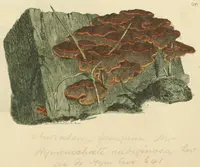
Oak curtain crust fungus, Hymenochaete rubiginosa, is a wood-decaying bracket fungus, not a traditional garden plant. It forms thin, rust-brown, crust-like layers that spread along the bark of dead or dying oak branches and trunks.

This species is native to temperate regions and is most often found in oak woodlands, where it helps break down hardwood. It is not commonly cultivated, and attempts to care for Oak Curtain Crust Fungus at home are usually experimental.

It prefers shaded, consistently moist, cool conditions on decaying oak wood rather than soil. Its reliance on specific host wood and natural humidity makes it difficult to grow intentionally in typical garden or indoor settings.

Main Plant Requirements

Care Difficulty

Moderate Care

Light Preference

Shade

Water Requirements

Regular Water

Temperature Preference

Cool Climate

Hardiness Zone

5–9

Soil Texture

Loamy, Organic-rich

Soil pH

Acidic (5.5–6.5), Slightly acidic (6.5–7.0)

Soil Drainage

Moist but well-drained

Fertilization

Minimal (feed rarely)

Get Personalized Care Plan

Scan your plant to receive care tips personalized for your specific plant

Available on iOS and Android

How to Care for the Oak Curtain Crust Fungus

This wood-decaying fungus prefers shaded woodland conditions rather than direct, open sun.

  • Provide dappled or filtered light under tree canopies, with no more than 1–2 hours of gentle morning sun per day for Oak Curtain Crust Fungus.
  • Avoid strong midday and afternoon sun, which can dry the host wood rapidly and slow fruiting body development.
  • In summer, choose north- or east-facing aspects; in winter, increased but still indirect light is acceptable as long as wood does not dry out completely.

This fungus depends on consistently moist, but not waterlogged, host wood rather than direct watering.

  • Maintain surrounding soil and mulch slightly moist, allowing the top 2–3 cm to dry between natural rain or irrigation so the log or trunk stays evenly damp.
  • Ensure good drainage around the host tree or wood; standing water and saturated bark encourage competing fungi and can rot the substrate.
  • In dry, hot spells, lightly hose the surrounding ground and wood surface when it feels dry to the touch, avoiding constant dripping or puddling.

This species is adapted to cool to mild woodland climates with gradual seasonal shifts.

  • Optimal activity occurs around 50–70°F (10–21°C), typical of spring and fall woodland conditions in temperate regions.
  • The fungus usually tolerates winter lows down to about 20°F (-6°C) once established, surviving short frosts while fruiting bodies may die back.
  • Extended heat above 85°F (29°C) combined with dry conditions slows growth, so shade and moisture retention become more important in midsummer.

This wood-decay fungus on oak bark tolerates a wide humidity range and usually needs no special adjustment.

This species naturally colonizes dead or decaying oak wood rather than mineral soil, so soil preparation focuses on recreating that woody substrate.

  • Use a base of well-rotted hardwood chips or shredded oak bark with 20–30% coarse bark or wood-based compost for structure.
  • Maintain a loose, open texture so water drains freely; avoid dense garden soil, peat-heavy mixes, or any medium that compacts when wet.
  • Aim for slightly acidic to neutral conditions (pH 5.5–7.0), which are typical for decomposing oak and favor Hymenochaete rubiginosa growth.
  • Refresh or top up the woody substrate as it breaks down to keep aeration high and prevent the medium from becoming slimy or anaerobic.

This species is not well suited to conventional container culture and is best left to colonize outdoor oak logs or branches naturally.

Hymenochaete rubiginosa is a wood-decaying fungus on trees and does not need fertilizer in cultivation or in nature.

Hymenochaete rubiginosa forms thin, crust-like brackets on dead or living wood and does not benefit from horticultural pruning.

This species grows as a crust fungus on woody substrates, so management focuses on where the host wood is placed rather than classic repotting.

  • Move colonized logs or branches only during cool, stable weather to limit drying and stress.
  • Shift wood to a similar light and moisture environment to maintain steady fungal activity.
  • Avoid cutting or breaking the colonized wood, as this disrupts the mycelium network.
  • Handle pieces gently and keep them shaded and slightly moist during and after relocation.

In practice, Hymenochaete rubiginosa is spread by spores and colonization of suitable wood, not by standard plant-style propagation.

This fungus is naturally cold hardy across much of its range and needs no special winter care when on outdoor wood.

Care Tips

Use Host Logs

Select sound but dying or freshly fallen oak logs, 10–30 cm in diameter, as the primary substrate to establish and maintain stable colonies when growing Oak Curtain Crust Fungus.

Create Shaded Stacks

Stack inoculated oak logs in a loose criss-cross pattern off the ground in a naturally shaded, wind-sheltered corner to keep surfaces moist and reduce cracking of the fungal crusts.

Maintain Bark Integrity

Handle and move logs gently so the bark stays intact, since this species primarily fruits on the bark surface and damaged bark reduces both colonization and visible fruiting.

Monitor Competing Fungi

Inspect logs every few months and remove or separate pieces heavily colonized by aggressive, fast-growing bracket fungi so this slower crust species is not overrun.

Seasonal Moisture Checks

During hot, dry periods, check logs more often and, if allowed outdoors, lightly hose the surrounding ground rather than the fruiting surface to raise local humidity without washing off spores.

Common Pests and Diseases

Bark-colonizing molds

Symptoms include dull, patchy surface growth of other fungi or molds over the fruiting crust, which can obscure spore production. This overgrowth usually appears fuzzy or powdery rather than forming a thin, rusty crust.

Solution

Remove and discard heavily overgrown sections of infected wood to preserve clean reference samples, and store remaining material in a dry, well-ventilated place to limit further mold development. For educational or collection purposes, avoid sealing specimens in airtight plastic; use breathable paper and keep humidity low to slow contaminant fungi, following general Hymenochaete rubiginosa care instructions for storage of dried fruiting bodies.

Wood-boring beetles

These insects tunnel through the dead oak branches and trunks that host the fungus, creating galleries that can destabilize the substrate. This activity may lead to fragmentation or loss of the fruiting crusts as wood breaks down mechanically.

Solution

For kept specimens or managed logs, remove and destroy wood that shows extensive beetle frass and tunneling to prevent spread to nearby structural or ornamental wood. Store any retained substrate off the ground, in a dry, sheltered, and well-aired area to make conditions less favorable for further beetle activity.

Competing saprotrophic fungi

This disease pressure comes from other wood-decay fungi colonizing the same oak substrate and gradually displacing the existing rust-brown crust. Over time, the host wood may be dominated by bracket fungi or soft, white or dark mycelial masses instead of the thin, even layer typical of this species.

Solution

In managed woodland or study sites, remove or reduce heavily colonized competing fruiting bodies from the same log if the goal is to preserve Hymenochaete rubiginosa for monitoring. Select fresh but already dead oak material in shaded, stable conditions and minimize wounding or splitting of the wood surface, which otherwise offers new entry points for faster-growing competitors.

Interesting Facts

Rusty curtain crust

This species forms thin, rusty brown, crust-like fruiting bodies that spread in irregular patches across dead oak bark and wood, often overlapping like layered curtains as they age.

Oak specialist decomposer

It is strongly associated with oak and primarily colonizes dead or dying oak wood, playing a key role in breaking down lignin and cellulose and returning nutrients to forest soils.

Distinct bristle surface

The fertile surface is covered with very fine, bristle-like structures called setae, which give the crust a slightly rough, matte texture that helps distinguish it from many similar wood-decaying fungi.

Botan icon

Did you know?

The species is widespread across temperate regions of Europe and North America and is often used by field mycologists as an indicator of long-standing oak woodland continuity due to its strong preference for mature oak substrates.

FAQs about Oak Curtain Crust Fungus

This species spreads slowly along dead or dying oak wood, forming thin crust-like patches. It does not jump to healthy non-woody plants, but can gradually enlarge as long as suitable decaying oak tissue is available.

Grow Healthy Plants with Botan Care

Keep your plants happy and healthy with plant identification, disease detection, and easy care guidance.

Botan plant care app — identify plants on mobile

Explore More Plants