Witches Butter Wart Care (Heteromycophaga glandulosae)

Witches Butter Wart

About Witches Butter Wart

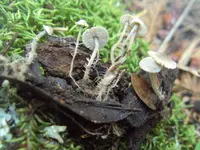
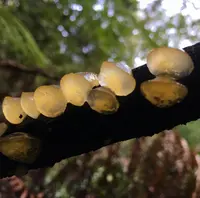
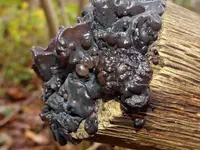
Witches butter wart (Heteromycophaga glandulosae) is not a typical plant but a tiny parasitic fungus that grows on other bracket fungi. It forms small, warty, orange to reddish patches on the surface of its host.

This species occurs mainly on decaying wood in cool, moist forests, especially in temperate regions. It appears seasonally, often after wet weather, and does not grow independently in soil or pots.

Because it relies on a specific host fungus and habitat, it is not practical to cultivate indoors or in regular gardens. Information on how to care for Witches Butter Wart is mostly of academic interest rather than everyday plant care use.

Main Plant Requirements

Care Difficulty

Moderate Care

Light Preference

Partial Shade

Water Requirements

Moderate Water

Temperature Preference

Cool Climate

Hardiness Zone

Unknown

Soil Texture

Loamy, Organic-rich

Soil pH

Slightly acidic (6.5–7.0)

Soil Drainage

Moist but well-drained

Fertilization

Minimal (feed rarely)

Get Personalized Care Plan

Scan your plant to receive care tips personalized for your specific plant

Available on iOS and Android

How to Care for the Witches Butter Wart

This fungus grows best in cool, shaded woodland conditions rather than direct open sun.

  • Provide dappled or filtered light under deciduous trees, matching typical forest shade, with no more than 1–2 hours of weak morning sun.
  • Avoid direct midday or afternoon sun, which can dry host wood rapidly and stress Witches Butter Wart, reducing fruiting and shortening the life of fruiting bodies.
  • In summer, ensure consistent canopy cover or leaf litter shade; in winter, brief low-angle sun is usually tolerated if wood stays moist.

Moist, but not waterlogged, wood is essential for the development of Heteromycophaga glandulosae on its host fungi.

  • Aim for consistently damp substrate; if managing habitat, keep host logs or branches slightly moist, allowing the surface to dry just a thin film between wetting.
  • Avoid standing water or saturated soil around host wood, which can encourage anaerobic conditions and decay that outpace fungal development.
  • In dry or windy periods, gently wet the surrounding soil or mulch rather than blasting the wood directly, watching for cracking or brittleness as a sign of underwatering.

This species favors cool to mild conditions typical of temperate woodlands.

  • Optimal activity usually occurs around 50–68°F (10–20°C), with fruiting often strongest in cool, moist seasons such as spring and autumn.
  • It tolerates a wider range of about 32–77°F (0–25°C), but prolonged heat above 77°F (25°C) can dry substrates and reduce visible growth.
  • Frost down to 23–28°F (-5 to -2°C) may be survived in protected wood, but repeated hard freezes or rapid freeze–thaw cycles can damage host structures and limit development.

Humidity plays a minor role for this fungus, which naturally develops outdoors on host fungi in open air.

This mycoparasitic fungus does not grow in soil, but understanding substrate conditions around its host can still help placement choices.

  • Target decaying hardwood areas with moist, crumbly, organic-rich wood where host jelly fungi occur, rather than planting Heteromycophaga glandulosae in a potting substrate.
  • Select sites where water drains away freely after rain so the wood is damp but not submerged or foul-smelling, which suppresses host growth.
  • Avoid compacted mineral soils, gravelly beds, or bark laid over plastic sheeting, as these limit the rotting wood and host fungi this species requires.
  • Encourage aeration by leaving small gaps between logs or branches so air can move through the woodpile while it still retains moisture.

This species is not suitable for conventional container growing, because it depends on specific host fungi on decaying wood rather than a potting medium.

This fungus-like organism grows on host jelly fungi and does not benefit from direct fertilization in typical garden or container culture.

Heteromycophaga glandulosae does not need structured pruning, but minor hygiene maintenance is sometimes useful around its host.

  • If desired, trim nearby overcrowded twigs or debris during late winter to early spring using clean, sharp hand pruners.
  • Remove dead or heavily damaged host branches that no longer support healthy jelly fungus growth.
  • Avoid cutting directly through the fruiting bodies; this does not improve health and only reduces observational interest.

This species is not managed like a potted plant, so care focuses on moving or adjusting the host substrate rather than true repotting.

  • Transplant only if the supporting wood must be relocated, such as shifting a decaying log in a woodland-style garden.
  • Carry and re-site the entire host log or branch gently to limit mechanical damage to fruiting structures.
  • Choose a shaded, humid position with similar airflow and moisture to the original site to reduce stress.
  • Avoid frequent moves; allow the wood to rest undisturbed so natural fungal interactions can stabilize.

Intentional propagation of Heteromycophaga glandulosae is uncommon and technically challenging for home growers, so it is usually left to natural spread.

In most temperate climates this fungus is naturally cold hardy and needs no dedicated winter care beyond stable habitat conditions.

Care Tips

Host Fungi Management

Encourage healthy populations of its host jelly fungi by leaving partially decayed hardwood branches in shaded, humid spots instead of over-cleaning the area, since Heteromycophaga glandulosae depends on these hosts to complete its life cycle.

Selective Debris Retention

When tidying woodland beds, keep a few small, non-rotten hardwood twigs and sticks on the soil surface to preserve the microhabitat where this fungus and its hosts can attach and develop.

Moisture Microzones

Create small moisture-retentive pockets by tucking branches into shallow depressions or next to logs, which slows drying after rain and supports clustered fruiting of both host fungi and this species.

Low-Disturbance Access

Plan access paths so feet do not routinely disturb the same log or branch where fruiting occurs, since repeated trampling and turning of wood can disrupt developing structures at the wood–soil interface.

Seasonal Habitat Checks

In late fall and early spring, inspect decaying wood and adjust its position only minimally to expose some surfaces while still maintaining contact with moist soil, which supports stable conditions for growing Witches Butter Wart over multiple seasons.

Common Pests and Diseases

Host jelly fungus decline

Symptoms include thinning, discoloration, or dieback of the black witches butter host (Exidia species), which indirectly reduces substrate for Heteromycophaga glandulosae. This disease process is usually caused by combined stress from other fungi, insects, and environmental factors on the host jelly fungus.

Solution

Monitor the health and abundance of the host Exidia on dead wood and avoid removing or excessively disturbing its fruiting bodies. Maintain stable moisture and shade conditions around the decaying wood so the host fungus remains vigorous, which supports growing Heteromycophaga glandulosae in the same habitat.

Competing saprotrophic fungi

This disease pressure occurs when fast-growing wood-decay fungi overrun the same dead wood substrate, outcompeting Exidia and its parasite Heteromycophaga glandulosae. Symptoms include replacement of black jelly patches and yellow parasitic spots with dense crusts, brackets, or fluffy mycelium from other fungi.

Solution

Select wood that already hosts healthy Exidia fruiting bodies and minimize introducing additional colonized logs from other sites. If practical in a cultivation or observation setting, remove heavily overgrown sections of wood so remaining areas with Exidia and its yellow wart-like growths retain space and resources.

Desiccation damage

This disease-like stress appears when prolonged dry conditions cause shriveling and hardening of both the black jelly host and the yellow wart-like structures of Heteromycophaga glandulosae. Symptoms include persistent brittleness and failure of the tissues to rehydrate after rain or misting.

Solution

Keep the supporting wood in a cool, shaded, and humid microhabitat, such as a sheltered corner with 60–80% relative humidity. In managed displays, mist the substrate and surrounding area lightly during extended dry spells, avoiding strong air flow or direct sun that would rapidly dry the fruiting bodies.

Slime mold grazing

These organisms sometimes colonize the same moist, decaying wood and spread as slimy, creeping masses that coat and digest surface fungal tissues. This pest activity can partially consume or smother the exposed jelly fungus and its yellow warts, leading to patchy loss of visible growth.

Solution

If observed in a controlled setting, gently scrape away fresh slime mold masses from the wood surface without damaging the underlying fungi, and slightly increase airflow to reduce persistent surface slime. Maintain moisture in the wood itself rather than leaving standing water on the surface, which limits conditions that favor heavy slime mold proliferation.

Interesting Facts

Highly specialized parasite

This species is a mycoparasitic fungus that specifically parasitizes the jelly fungus Exidia glandulosa, growing on and within its host’s fruiting bodies rather than on wood or soil directly.

Bright color contrast

Its fruiting structures form small, often orangish to yellowish spots or patches on the dark, gelatinous masses of Exidia glandulosa, making the infection visually easy to recognize in the field.

Indicator of fungal communities

Because it depends on the presence of Exidia glandulosa, which itself grows on dead hardwood, its occurrence indicates a well-developed saproxylic (dead-wood dependent) fungal community in the habitat.

FAQs about Witches Butter Wart

This jelly fungus is not aggressive. It appears only where its host fungus and host wood are present. It does not form dense mats, usually staying localized to small patches on infected black witch’s butter fruiting bodies.

Grow Healthy Plants with Botan Care

Keep your plants happy and healthy with plant identification, disease detection, and easy care guidance.

Botan plant care app — identify plants on mobile

Explore More Plants