Rotate log orientation
If the fungus is cultivated on a small log or branch, rotate it by 90° every few weeks to expose different surfaces to air movement and light, which helps maintain even cup development and reduces localized rot.

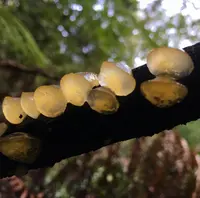
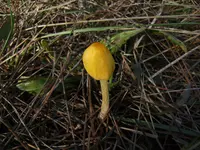
Heterotextus peziziformis is a small cup fungus, not a typical leafy houseplant. It forms bright yellow to orange, shallow cup-shaped fruiting bodies on decaying wood or very damp organic debris. The cups often appear in clusters, giving a scattered but noticeable patch of color on shaded, moist forest floors.
This species occurs mainly in humid, subtropical to tropical regions, often in woodlands or garden beds with rich, consistently damp substrate. It usually appears after periods of rain and then dries and disappears. For anyone wishing to care for Heterotextus peziziformis in cultivation, it is important to provide constant moisture, shaded light, and a wood-based or organic, well-drained substrate that can stay evenly damp but not waterlogged.

Care Difficulty
Moderate Care

Light Preference
Partial Shade

Water Requirements
Moderate Water

Temperature Preference
Warm Climate

Hardiness Zone
Unknown

Soil Texture
Loamy

Soil pH
Slightly acidic (6.5–7.0)

Soil Drainage
Well-drained

Fertilization
Minimal (feed rarely)
Scan your plant to receive care tips personalized for your specific plant
Available on iOS and Android
This cup fungus prefers bright, gentle light rather than intense, direct sun.
Moist, free-draining substrate is important for stable fruiting and mycelium health.
This species prefers mild, frost-free conditions with moderate seasonal variation.
This species prefers moderate to high humidity but copes reasonably with typical indoor levels.
This fungus-like species thrives on loose, well-aerated, organic-rich substrates rather than compact mineral soil.
This species can be grown in containers when the substrate and moisture are managed carefully.
This small cup fungus is usually self-sufficient and does not require routine fertilization in gardens or naturalistic settings.
Pruning needs for Heterotextus peziziformis are minimal and focus mainly on hygiene in cultivated settings.
When grown in containers or controlled beds, this fungus is moved mainly to refresh its substrate rather than to enlarge the root system.
Garden or lab propagation focuses on transferring colonized substrate rather than handling individual fruiting bodies.
In mild to cool climates, this cup fungus generally needs little specific winter care once established outdoors.

Plant Health Check
Not sure what's wrong with your plant? Check your plant's health inside the app.
This fungus forms bright yellow, shallow cup-shaped fruiting bodies that are specially shaped to splash spores out when hit by raindrops, a dispersal strategy typical of some cup fungi in humid habitats.
The species is mainly recorded from warm, moist regions in Asia and parts of Australasia, where it grows on decaying plant material on the forest floor or on rotting wood.
Fresh fruiting bodies are soft, somewhat gelatinous to rubbery, and can become more leathery or shriveled as they dry, then partly regain shape and texture when rehydrated by rain.
This cup fungus typically appears in flushes during cool, moist periods and can fruit several times in a year if conditions stay favorable. Fruiting stops in extended heat, drought, or hard freezes, then resumes when moisture returns.
Keep your plants happy and healthy with plant identification, disease detection, and easy care guidance.