round-lobed hepatica Care (Hepatica americana)

Also known as: round-lobe liverleaf
round-lobed hepatica

About round-lobed hepatica

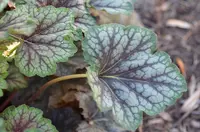
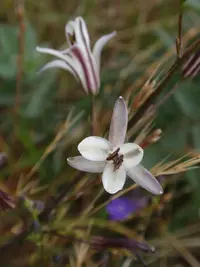
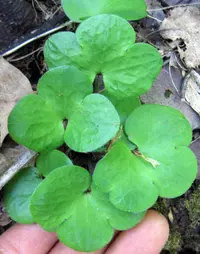
Round-lobed hepatica, Hepatica americana, is a small woodland perennial native to eastern North America. It forms low clumps from a rhizome and persists for many years in the same spot. The plant has leathery, three-lobed evergreen leaves and produces delicate white, pink, or bluish flowers very early in spring, often before trees leaf out. It grows in deciduous forests, usually on slopes or in well-drained, humus-rich soil with light to moderate shade. A slow growth rate and dislike of disturbance make it somewhat challenging, so learning how to care for round-lobed hepatica improves long-term success.

Main Plant Requirements

Care Difficulty

Moderate Care

Light Preference

Partial Shade

Water Requirements

Moderate Water

Temperature Preference

Cold Hardy

Hardiness Zone

3–8

Soil Texture

Loamy, Silty, Organic-rich

Soil pH

Strongly acidic (4.5–5.5), Acidic (5.5–6.5)

Soil Drainage

Moist but well-drained

Fertilization

Minimal (feed rarely)

Get Personalized Care Plan

Scan your plant to receive care tips personalized for your specific plant

Available on iOS and Android

How to Care for the round-lobed hepatica

This spring woodland perennial prefers cool, dappled light similar to a deciduous forest floor.

  • Provide 2–4 hours of gentle morning sun with bright, filtered light or open shade the rest of the day, especially under deciduous trees.
  • Round-lobed hepatica tolerates partial to full shade in summer as tree canopies fill in, which helps protect foliage from scorch.
  • Avoid harsh midday and afternoon sun in exposed sites, which can bleach leaves, dry the shallow roots, and shorten blooming.

This species needs steadily moist but not saturated soil, especially during active spring growth.

  • Water when the top 2–3 cm of soil feels barely dry, then moisten evenly so water penetrates the root zone without pooling.
  • Use loose, humus-rich, sharply draining soil; persistent sogginess or algae growth on the surface suggests poor drainage and risk of root rot.
  • In spring and fall, check moisture more often; in summer dormancy, reduce watering and watch for wilting or crispy leaf edges as signs of underwatering.

This hardy woodland perennial thrives in cool to mild conditions with good seasonal temperature contrast.

  • Optimal growth and flowering occur around 50–65°F (10–18°C), typical of early spring woodland conditions.
  • Mature plants tolerate winter lows near 0°F (−18°C) under snow or mulch, but sudden freeze–thaw cycles can heave shallow roots.
  • In hotter climates, protect from prolonged heat above 80°F (27°C) by providing shade and mulch to keep the root zone cool and reduce stress.

This woodland perennial prefers moderately moist air but usually adapts to typical home humidity if soil moisture is stable.

  • Aim for 40–60% humidity, similar to a shaded forest edge, to keep foliage of round-lobed hepatica from drying at the margins.
  • In very dry heated rooms, leaf tips may brown and buds may abort, indicating low-humidity stress combined with inadequate watering.
  • Increase local humidity by grouping plants, placing the pot near (not on) a pebble tray with water, and avoiding hot, direct air vents.

Hepatica americana grows best in loose, humus-rich soil that mimics a moist, deciduous forest floor.

  • Use a mix of roughly 50% fine compost or leaf mold, 25% pine bark fines, and 25% mineral component such as perlite or pumice for structure.
  • Keep drainage rapid yet moisture-retentive; water should pass through within seconds but the mix should stay lightly damp, not soggy.
  • Target a slightly acidic to neutral pH around 6.0–7.0, avoiding strongly alkaline or salty substrates that restrict nutrient uptake.
  • Improve aeration by incorporating small bark chips and avoiding heavy clay or pure peat, which compact and suffocate shallow roots.

This species is suitable for cool, shaded container culture when moisture and drainage are carefully controlled.

  • Choose a wide, relatively shallow pot to accommodate the fibrous, surface-skimming roots and maintain even moisture distribution.
  • Opt for unglazed clay or other breathable materials in wet climates, but use thicker, less porous containers in very dry regions to slow moisture loss.
  • Stabilize the pot with a heavier base or cachepot so the low, expanding clump and leaf canopy do not tip lightweight containers in wind or rain.

Hepatica americana is a woodland perennial that needs only light feeding in rich, humusy soil.

  • Apply a thin layer of leaf mold or compost around plants in early spring as new growth emerges.
  • If growth seems weak, use a balanced NPK liquid fertilizer at 1/4 strength every 4–6 weeks during spring only.
  • Avoid fertilizing during summer dormancy or winter, as roots are largely inactive.
  • Choose gentle, organic sources; strong synthetic feeds can damage fine roots of round-lobed hepatica.

Hepatica americana needs minimal pruning, mainly to keep the clump clean and healthy.

  • In late winter or very early spring, remove old, tattered, or diseased leaves at the base before new growth appears.
  • Snip only with clean, sharp scissors or hand pruners to avoid tearing delicate petioles.
  • Deadhead spent flower stalks if a tidier look is desired, though leaving some can allow natural reseeding.
  • Avoid heavy cutting, which can stress the small crown and slightly reduce flowering the next season.

This woodland species dislikes frequent disturbance, so transplant Hepatica americana only when clearly needed.

  • Look for crowded clumps, slow growth, or roots circling a container as signs it may need moving or repotting.
  • Transplant in early spring just as buds swell, or immediately after flowering, when soil is cool and moist.
  • Move plants with a wide, deep root ball, keeping as much native soil around the fibrous roots as possible.
  • Replant at the same depth in a shaded, humus-rich site, water gently, and keep evenly moist until re-established.

Hepatica americana is usually propagated by careful division or by seed under cool woodland conditions.

  • Divide mature clumps just after flowering, keeping several buds and roots in each division, and replant promptly.
  • Sow fresh seed as soon as it ripens; many seeds need a cold, moist period called stratification to germinate.
  • Use a humus-rich, well-drained medium in shaded, cool conditions, and keep it evenly moist, not waterlogged.
  • Label seed pans and divisions, then allow 1–2 years for young plants to reach flowering size.

This species is cold hardy across most temperate regions and generally needs little special winter care.

  • Tolerates freezing temperatures when planted in the ground, provided soil drains well and does not stay waterlogged.
  • Apply a light layer of leaf mulch in late fall to insulate the shallow root system without burying the crown.
  • For container plants in cold climates, move pots into an unheated garage or cold frame to avoid deep freezing of the root ball.

Care Tips

Leaf-mulch blanket

Apply a loose 3–5 cm layer of shredded deciduous leaves around the clumps each autumn to mimic woodland litter, protect flower buds, and keep the root zone evenly cool.

Spring bloom clean-up

After flowering, remove only tattered or diseased old leaves so new foliage can photosynthesize efficiently and rebuild the plant’s energy reserves for next year’s blooms.

Division timing check

If flowering and clump size decline, divide plants just after blooming while soil is moist, keeping divisions with several buds each and replanting immediately at the same depth.

Summer drought shielding

During hot, dry spells, provide temporary shade cloth or use taller companion plants to reduce heat and moisture stress, which helps maintain strong crowns and flower bud formation.

Slug and rodent protection

In early spring, monitor for slugs and small rodents around emerging shoots and use physical barriers or targeted traps, since damage at this stage can disfigure flowers and weaken plants when growing round-lobed hepatica.

Common Pests and Diseases

Powdery mildew

This disease produces a fine white or gray powder on leaves and flower stems, often in clustered woodland plantings with poor air movement.

Solution

Remove heavily affected leaves, thin surrounding vegetation to improve airflow, and avoid overhead watering; if needed, apply a sulfur or potassium bicarbonate fungicide labeled for ornamentals early in the season and repeat as directed to protect emerging foliage.

Leaf spot

This disease causes small brown, purplish, or tan spots on older leaves, which may merge and lead to premature leaf decline in damp, shaded conditions.

Solution

Cut and dispose of affected leaves to reduce inoculum, keep fallen debris cleared around the crown, and water at soil level in the morning so foliage dries quickly; in severe, recurring cases, a copper-based fungicide used at bud break can help protect new growth.

Slugs and snails

These pests chew irregular holes in young leaves and flower stalks, sometimes leaving only leaf veins and a trail of slime on or near the plant.

Solution

Hand-pick slugs and snails at dusk, reduce hiding spots such as dense mulch and boards, and use iron phosphate bait around but not on the plants; a gritty barrier, such as crushed eggshells or sharp sand, can also make the area less attractive to them.

Vine weevils

These insects feed at night and create notched edges on leaves, while their larvae may chew fine roots in containers or tight bed plantings, slowing growth or causing wilting.

Solution

Inspect plants after dark and remove adult beetles by hand, avoid constantly wet soil, and use beneficial nematodes containing Heterorhabditis species as a soil drench in late summer or early fall to target larvae around the crown.

Botrytis blight

This disease leads to soft, water-soaked areas on flowers and leaves that become covered with gray, fuzzy mold in cool, humid weather, especially around aging blooms and old foliage.

Solution

Promptly remove spent flowers and damaged leaves, increase spacing or gently thin nearby plants to improve airflow, and water at the base only; if the problem persists in very damp springs, a labeled bio-fungicide containing Bacillus species can help protect new tissue when applied preventively.

Interesting Facts

Early spring bloomer

This species often flowers in late winter to early spring, sometimes when snow is still on the ground, using stored energy in its thick rhizome to open before most canopy trees leaf out.

Three-lobed evergreen leaves

Its distinctive three-lobed leaves are semi-evergreen in many climates, persisting under snow and then photosynthesizing strongly in early spring when light levels on the forest floor are high.

Ant-assisted seed dispersal

The seeds bear a fatty appendage called an elaiosome, which attracts ants; the ants carry the seeds to their nests, eat the elaiosomes, and leave the seeds to germinate in nutrient-rich sites, a process known as myrmecochory.

Botan icon

Did you know?

Round-lobed hepatica has served as a key taxon in debates on species boundaries within the genus Hepatica, with detailed morphological and genetic studies distinguishing it from the closely related sharp-lobed hepatica (Hepatica nobilis var. acuta) despite historical confusion between the two in North American floras.

FAQs about round-lobed hepatica

Sparse or absent flowering often results from too little early-spring light, overly dry soil during bud formation, or heavy, nutrient-poor soil. Light spring feeding, consistent moisture, and avoiding deep mulch directly over the crown usually restore blooms.

Grow Healthy Plants with Botan Care

Keep your plants happy and healthy with plant identification, disease detection, and easy care guidance.

Botan plant care app — identify plants on mobile

Explore More Plants