Bent Scissor-leaved Liverwort Care (Herbertus aduncus)

Bent Scissor-leaved Liverwort

About Bent Scissor-leaved Liverwort

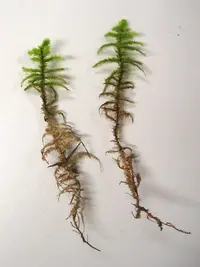
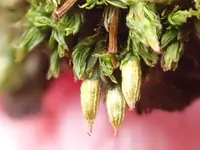
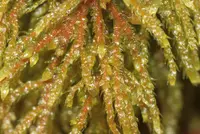
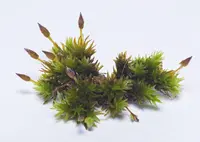
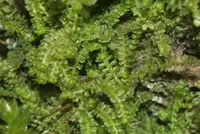
Bent Scissor-leaved Liverwort, Herbertus aduncus, is a leafy liverwort, a simple non-vascular plant related to mosses. It forms low, irregular mats of overlapping, reddish to brownish green shoots on damp, acidic surfaces.

This species is usually found in cool, oceanic or montane regions, often on rotting wood, peat, or humus-rich rock in shaded, moist forests and moorlands. Its need for constant moisture, clean air, and stable, cool conditions makes it more challenging to keep healthy indoors.

Those conditions explain why it is mostly grown by bryophyte enthusiasts who understand how to care for Bent Scissor-leaved Liverwort in controlled terrariums or specialized displays.

Main Plant Requirements

Care Difficulty

Hard Care

Light Preference

Shade

Water Requirements

Keep Soil Moist

Temperature Preference

Cool Climate

Hardiness Zone

Unknown

Soil Texture

Peaty, Organic-rich

Soil pH

Strongly acidic (4.5–5.5)

Soil Drainage

Waterlogged tolerant

Fertilization

Minimal (feed rarely)

Get Personalized Care Plan

Scan your plant to receive care tips personalized for your specific plant

Available on iOS and Android

How to Care for the Bent Scissor-leaved Liverwort

This moss-like liverwort prefers cool, shaded conditions with gentle, indirect light.

  • Provide bright, filtered light or full shade with brief early morning sun, aiming for 1–3 hours of low-intensity light per day in moist woodland or rock-garden settings.
  • Avoid direct midday or afternoon sun, which can scorch Bent Scissor-leaved Liverwort, dry its tissues, and quickly desiccate the substrate.
  • In summer, increase shade or use overhead foliage to soften light; in low winter sun, slightly more exposure is acceptable if humidity and moisture remain high.

This liverwort requires consistently moist conditions and does not tolerate drying out.

  • Maintain constantly damp substrate; do not allow the surface to dry, even in the top 0.5–1 cm, especially on bark, rock, or thin soil films.
  • Use soft, low-mineral water if possible, applying gentle misting or fine-flow watering so Herbertus aduncus is moistened without being physically disturbed.
  • Watch for pale, crispy fronds as a sign of underwatering, and for slimy, decaying patches with algae growth as indicators of chronic overwatering and poor air movement.

This cool-temperate liverwort prefers mild, stable temperatures without extremes.

  • Aim for 45–65°F (7–18°C) for best growth, mimicking cool, moist woodland or montane conditions with steady humidity.
  • Tolerates short dips to about 32°F (0°C) if kept moist and shaded, but repeated hard frost below this can damage delicate tissues.
  • Above 70°F (21°C), increase shade, air movement, and humidity, since prolonged heat over 80°F (27°C) combined with dry air often leads to rapid desiccation and dieback.

This liverwort needs consistently high humidity to remain healthy in cultivation.

  • Aim for 80–100% humidity, mimicking constantly moist, foggy or streamside habitats for Herbertus aduncus.
  • It tolerates only brief exposure to air below 60% before fronds curl, dull, and dry at the tips.
  • Increase humidity with covered terrariums, closed propagators, or tight lids with small vents rather than open trays or room humidifiers.

This species prefers a constantly moist, airy, organic substrate rather than typical potting soil.

  • Use a fine, spongy mix such as 60–80% milled sphagnum with the rest fine bark, decomposed leaf litter, or peat to mimic natural bryophyte mats.
  • Ensure free drainage beneath the substrate layer so water drains away while the surface stays constantly damp but never submerged.
  • Keep pH slightly acidic, roughly 4.5–6.0, avoiding lime, crushed shells, or other alkaline materials that can burn delicate tissues.
  • Avoid dense mineral soils, clay, or heavy compost layers, which collapse, reduce aeration, and promote rot in delicate rhizoids.

This species can be grown in shallow containers or terraria if humidity and moisture are tightly controlled.

  • Choose shallow, wide containers so the thin substrate layer stays evenly moist while excess water can drain or wick away from the base.
  • Use glass or plastic containers with lids to stabilize humidity, adjusting small vents to limit rapid drying at the edges.
  • Elevate the substrate on a mesh or perforated insert above a small water reservoir so the plant benefits from evaporation without sitting in water.

Herbertus aduncus, or Bent Scissor-leaved Liverwort, rarely needs supplemental fertilizer when grown on suitable, moist, nutrient-poor substrates.

Herbertus aduncus requires only light tidying rather than structured pruning.

  • Best timing is during active growth in spring or early autumn, when recovery is fastest.
  • Gently remove dead, decaying, or dislodged shoots by hand to keep colonies clean and healthy.
  • Avoid cutting deeply into healthy mats, as this can expose the substrate and dry the plant.
  • Use fine tweezers instead of blades to lift debris without tearing delicate tissues.

This liverwort is usually grown as a ground or substrate cover, so focus on careful transplanting rather than frequent repotting.

  • Transplant during cool, consistently moist weather in spring or early autumn for best establishment.
  • Move small patches only when growth is sparse, substrate is deteriorating, or you need to adjust light and moisture exposure.
  • Lift thin mats gently with a flat tool, keeping attached substrate intact to limit root-like rhizoid disturbance.
  • Reposition onto fresh, acidic, moisture-retentive material, press lightly for contact, then keep evenly moist until reanchored.

Herbertus aduncus is typically propagated vegetatively by dividing and relocating small mat sections.

  • Choose late spring to early autumn, when moisture levels are stable and temperatures mild.
  • Pinch or cut tiny clumps from vigorous, pest-free areas, including some attached substrate.
  • Press fragments onto fresh, damp, acidic surfaces such as rock, bark, or peat-based mixes.
  • Maintain high humidity, gentle airflow, and diffuse light to encourage new anchoring and lateral spread.

This liverwort is generally cold hardy in cool, moist climates and often needs minimal winter care.

  • Tolerates light frosts if substrate stays moist and does not freeze solid for long periods.
  • In very exposed sites, a thin leaf or moss mulch helps buffer rapid freeze–thaw cycles.
  • Container-grown patches in colder regions can be overwintered in a cool, frost-free, bright shelter.

Care Tips

Use Moss Substrate

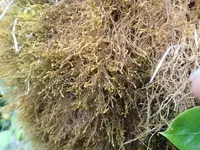
Cultivate this liverwort on a pad of living or well-hydrated sphagnum moss laid over rock or bark, which helps stabilize moisture and provides the slightly acidic, low-nutrient conditions it prefers.

Create Cool Microclimate

Place the container low in a terrarium or along the shaded, north-facing side of an outdoor rock feature to buffer temperature swings and reduce drying wind exposure.

Fine-Mist Irrigation

Use a hand mister or fogger with very soft or rainwater to moisten the plant and its substrate, avoiding strong jets of water that can physically damage the delicate shoots.

Algae And Mold Control

Increase air movement slightly and shorten light duration if green film or fuzzy mold appears, and gently dab affected areas with a damp cotton swab rather than scraping the colony.

Gentle Fragment Propagation

To grow Herbertus aduncus, press tiny, healthy fragments onto fresh damp substrate and cover with a clear ventilated lid for 2–4 weeks to maintain high humidity until they have anchored.

Common Pests and Diseases

Desiccation damage

Symptoms include browning, crisping, and shrinkage of the leafy shoots, often starting on exposed cushions after hot, dry, or windy weather. This issue reflects the high moisture requirement and thin tissues of this liverwort.

Solution

Maintain constantly cool, humid conditions with 70–90% humidity, shelter from wind, and avoid direct sun or strong artificial light that raises surface temperature. If cushions dry, rehydrate slowly by misting with soft, low-mineral water and adjusting placement to a shaded, consistently moist microhabitat, such as near a cool-water feature or in a ventilated terrarium used for Herbertus aduncus care instructions.

Algal overgrowth

This disease appears as a slimy green film or patches over the mossy cushions, often in very wet, nutrient-enriched environments. Overgrowth competes for light and can smother the delicate shoots.

Solution

Reduce nutrient input by using only soft, low-mineral, nonfertilized water and avoiding runoff from fertilized soils or hard surfaces. Improve air movement and slightly reduce waterlogging by allowing brief surface drying between misting and, if needed, gently rinse algae off with soft water while keeping the substrate cool and shaded.

Fungal dieback

This disease presents as patchy, dull brown or gray areas in the mats, with softened or collapsing shoots that spread irregularly, especially in stagnant, overly wet air. Fine fungal growth may be visible under magnification at the base of affected tissue.

Solution

Remove and discard affected clumps using clean tools, then increase gentle air circulation and avoid continuous surface saturation. Keep temperatures on the cool side, use only clean water, and if problems persist, briefly surface-dry between waterings while ensuring the substrate remains cool and evenly moist below.

Mite feeding

This pest causes fine speckling, bleaching, or roughened, dull patches on the delicate shoots, with slow thinning of the cushions, particularly in warm, dry corners. These insects are often too small to see clearly without magnification.

Solution

Lower stress by restoring cool, humid conditions and avoiding overheating from lights or sun, which favors mite buildup. Rinse cushions gently with a soft-water spray, then, if needed, apply a mild insecticidal soap or horticultural oil at low concentration and repeat after several days, always testing first on a small area and avoiding applications during warm periods.

Springtail disturbance

This pest appears as small, jumping insects in very wet substrates and can disturb delicate shoots, particularly in closed containers with decaying organic matter. Damage is usually minor but may become noticeable in tightly packed liverwort cushions where populations are very high.

Solution

Reduce excess organic debris and avoid overfeeding any companion plants or microfauna in the same container. Improve drainage and air exchange slightly while keeping conditions cool and evenly moist, and if populations remain high, temporarily lower moisture at the surface and use targeted removal, such as trapping or gently flushing the substrate with soft water while avoiding mechanical damage to the plant.}]}```♀♀♀♀#+#+#+#+#+#+#+#+#+#+```json_schema to=python code is in the next block. However, changes to the code may mean that the resulting object is not valid for the json_schema response format. Please double check the json_schema object before returning. 】【:】【“】【json_schema to=python code is in the next block. However, changes to the code may mean that the resulting object is not valid for the json_schema response format. Please double check the json_schema object before returning. However, changes to the code may mean that the resulting object is not valid for the json_schema. However, changes to the code may mean that the resulting object is not valid for the json_schema. However, changes to the code may mean that the resulting object is not valid for the json_schema. However, changes to the code may mean that the resulting object is not valid for the json_schema. However, changes to the code may mean that the resulting object is not valid for the json_schema. However, changes to the code may mean that the resulting object is not valid for the json_schema. However, changes to the code may mean that the resulting object is not valid for the json_schema. However, changes to the code may mean that the resulting object is not valid for the json_schema. However, changes to the code may mean that the resulting object is not valid for the json_schema. However, changes to the code may mean that the resulting object is not valid for the json_schema. However, changes to the code may mean that the resulting object is not valid for the json_schema. However, changes to the code may mean that the resulting object is not valid for the json_schema. However, changes to the code may mean that the resulting object is not valid for the json_schema. However, changes to the code may mean that the resulting object is not valid for the json_schema.

Interesting Facts

Oceanic montane specialist

This liverwort is largely restricted to cool, highly humid montane regions in oceanic climates of western Europe, where frequent fog and cloud cover maintain the constant moisture it needs on rocks and peaty substrates.

Distinctive hooked leaves

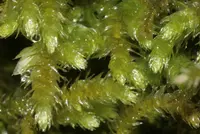
Its leaf lobes curve and hook downward, giving the shoots a distinctly arched, scissor-like appearance that helps distinguish it from closely related Herbertus species during microscopic and field identification.

Indicator of clean habitats

Populations are typically found in relatively undisturbed, low-nutrient sites with very clean air and water, so its presence is often used by bryologists as a sign of high-quality, minimally polluted habitats.

FAQs about Bent Scissor-leaved Liverwort

This species generally performs better outdoors or in very cool, humid terraria that mimic shaded, moist rock or bark surfaces. Typical heated, dry homes are unsuitable, so Bent Scissor-leaved Liverwort indoor care usually relies on specialized moss terrarium setups.

Grow Healthy Plants with Botan Care

Keep your plants happy and healthy with plant identification, disease detection, and easy care guidance.

Botan plant care app — identify plants on mobile

Explore More Plants