orthotrichum moss Care (Orthotrichum stramineum)

Also known as: Straw Bristle-moss
orthotrichum moss

About orthotrichum moss

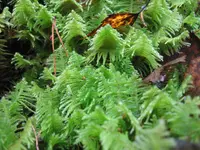
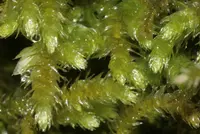
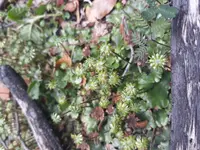
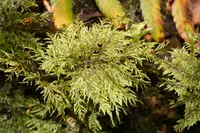
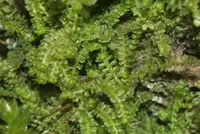
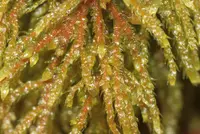
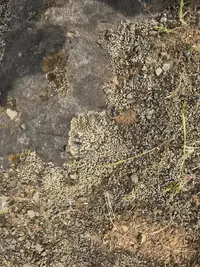
Orthotrichum stramineum is a small, cushion-forming moss that often grows on tree bark, rocks, and old walls in temperate regions. It forms dense, tufted mats of upright shoots with tiny overlapping leaves.

This moss is common across parts of Europe and North America, especially in humid, cool to mild climates. Its ability to tolerate some dryness makes it more resilient than many other mosses.

Orthotrichum stramineum prefers clean, moist air and surfaces that stay damp but not waterlogged. For those learning how to care for orthotrichum moss, its slow growth and modest needs make it suitable for careful indoor and outdoor culture.

Main Plant Requirements

Care Difficulty

Moderate Care

Light Preference

Partial Shade

Water Requirements

Keep Soil Moist

Temperature Preference

Cool Climate

Hardiness Zone

5–9

Soil Texture

Loamy, Rocky, Organic-rich

Soil pH

Acidic (5.5–6.5), Slightly acidic (6.5–7.0)

Soil Drainage

Moist but well-drained

Fertilization

Minimal (feed rarely)

Get Personalized Care Plan

Scan your plant to receive care tips personalized for your specific plant

Available on iOS and Android

How to Care for the orthotrichum moss

This moss prefers cool, soft light that mimics shaded rock or bark habitats.

  • Provide bright, indirect light or dappled shade, with 2–4 hours of gentle morning sun and no harsh midday sun exposure.
  • Tolerates full shade but grows more compact and green with filtered light under shrubs, trees, or a shade cloth outdoors.
  • Excessive sun causes bleaching and crisp tips; in summer, shield orthotrichum moss from strong afternoon sun, especially during heatwaves.

Moist but not constantly saturated conditions support healthy growth in this moss.

  • Aim for consistently damp substrate, letting only the upper surface start to feel just barely dry before re-wetting with a fine spray or gentle flow.
  • Increase misting during hot, windy periods and reduce watering in cool, rainy seasons to avoid prolonged waterlogging around the rhizoids.
  • Signs of underwatering include dull, curled shoots that rehydrate slowly; persistent soggy surfaces, algae growth, or a sour smell suggest overwatering and poor drainage.

This species handles a wide temperature range but performs best in cool to mild conditions.

  • Optimal growth typically occurs around 45–70°F (7–21°C), especially in consistently moist, shaded outdoor sites.
  • Tolerates brief drops close to 20°F (-7°C) when naturally acclimated, though repeated freeze–thaw on exposed surfaces can damage cushions.
  • Endures short warm spells up to about 85°F (29°C) if kept shaded and moist; in hot summers, extra shade and humidity reduce stress and desiccation.

This moss prefers consistently moist air and reacts quickly to drying out.

  • Aim for 60–90% humidity, keeping the cushion slightly damp but not dripping.
  • In drier air below ~50%, fronds curl and pale, and growth slows markedly.
  • Increase humidity with regular fine misting, grouped plantings, or a covered terrarium-style container with brief daily venting.

This moss anchors on firm, mineral surfaces and benefits from a thin, moisture-retentive but airy layer.

  • Use a shallow layer of fine, sifted substrate over rock or compacted sand, such as milled sphagnum mixed with 20–30% fine sand.
  • Ensure very rapid drainage; water should pass through within seconds, leaving the surface only lightly moist.
  • A slightly acidic to neutral reaction, around pH 5.5–7, supports Orthotrichum stramineum and limits nutrient stress.
  • Avoid dense peat blocks, rich compost, or clayey mixes that hold standing water and encourage rot and algae overgrowth.

This species suits shallow containers and terrarium-style setups if moisture is controlled carefully.

  • Choose broad, shallow trays that allow it to form low cushions instead of deep pots that trap excess moisture.
  • Line the base with coarse grit or small stones to stabilize rocks or wood pieces used as anchoring surfaces.
  • Select non-porous containers, such as glass or glazed ceramic, to slow evaporation while still allowing surface ventilation at the top.

This moss typically grows well on nutrient-poor bark or rock and usually does not need added fertilizer in cultivation.

Orthotrichum stramineum needs only minimal grooming to stay healthy and attractive in cultivation.

  • Best time for light pruning is during active growth, once fronds are hydrated and upright.
  • Gently pinch or trim away dead, browned, or damaged tufts using small scissors or tweezers.
  • Remove crowded or shading clumps only if they trap debris or encourage algae growth.
  • Avoid cutting into healthy, green cushions, as this can slow regrowth and disturb the colony structure.

This species is usually grown attached to bark, rock, or wood pieces, so transplanting focuses on shifting whole cushions rather than classic repotting.

  • Transplant when cushions outgrow the mount, dry out too quickly, or when support material breaks down.
  • Best timing is in cool, moist weather or indoors after thorough watering, so tissues are fully hydrated.
  • Limit moves to every few years to reduce disturbance of rhizoids, the fine anchoring filaments.
  • Lift cushions gently with a thin spatula, press onto the new moist surface, and keep humidity high for 1–2 weeks.

Orthotrichum stramineum is most practically multiplied by dividing existing cushions rather than relying on spores in home settings.

  • Use clean tweezers to separate small, healthy clumps from a well-established patch.
  • Carry out division in cool, moist conditions so the moss stays hydrated and less stressed.
  • Firm each clump onto fresh bark, rock, or wood, ensuring close surface contact without soil coverage.
  • Maintain constant light moisture and bright, indirect light until new growth visibly knits cushions to the surface.

This moss is cold hardy and usually needs no special winter care when grown outdoors in suitable climates.

  • In temperate regions, allow natural freeze–thaw cycles; the moss tolerates drying and rehydration.
  • For mounted indoor displays, keep in a cool room above 35–40°F with moderate humidity.
  • Avoid heavy, waterlogged conditions in cold weather, which can encourage decay on shaded, stagnant surfaces.

Care Tips

Substrate anchoring

Press small pieces of the moss firmly onto slightly rough, stable surfaces like bark, clay, or porous rock, then secure them loosely with biodegradable twine or mesh for 4–6 weeks to help the cushions attach before the support is removed.

Moisture gradient setup

When establishing new patches, create a shallow slope or varied microtopography so some areas dry faster than others, allowing the moss to self-select the most suitable moisture niche and reducing overall dieback.

Gentle cleaning routine

Every few weeks, use a soft brush or hand blower to remove dust, fallen leaves, and grit from the cushions so that light and air can reach the leaf tips and prevent smothering.

Spore-based expansion

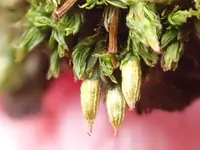
To expand a healthy colony, collect mature brown capsules, tap them gently over adjacent damp surfaces, and keep that area evenly moist for several weeks to encourage new sporelings without disturbing the parent clumps.

Salt and splash protection

In outdoor or balcony settings exposed to road salt or alkaline runoff, place the moss higher than splash zones and divert hardscape drainage so de-icing salts and lime-rich water do not repeatedly wet the cushions.

Common Pests and Diseases

Desiccation damage

Symptoms include bleaching, crisping, and loss of cushions where moss is exposed to prolonged drying and heat. This stress is common on exposed bark or rock surfaces in sunny, windy positions.

Solution

Reduce exposure by providing dappled shade, buffering wind, and keeping the substrate evenly but lightly moist without waterlogging. In orthotrichum moss indoor care, maintain moderate humidity and mist gently, allowing the moss to rehydrate gradually rather than flooding dry cushions.

Sooty mold

This disease appears as dark, soot-like coatings on moss cushions, often where there is honeydew from nearby sap-sucking insects or air pollution deposits. This coating blocks light and reduces photosynthesis, causing thinning and dieback.

Solution

Rinse moss gently with clean, lukewarm water using a fine spray to remove deposits, and repeat over several days if needed. Reduce the source of honeydew by managing nearby insect outbreaks, and improve air circulation so surfaces dry between misting or rainfall.

Algal overgrowth

This disease presents as a slimy green film over moss surfaces in very wet, nutrient-enriched conditions. This layer competes with the moss for light and can suffocate small cushions.

Solution

Lower moisture levels by improving drainage and avoiding standing water, and reduce nutrient inputs from fertilizers or runoff. If safe for the site, gently brush or rinse off the algal film, then maintain a cool, moist but not saturated environment to favor the moss.

Slugs and snails

These pests feed on soft moss cushions, leaving irregular scraped patches and loose plant fragments, especially in constantly damp, shaded areas. Damage is often worse after mild, wet nights.

Solution

Hand-pick slugs and snails during the evening or early morning and remove hiding places like dense debris around the colony. If pressure is high, use barriers such as copper tape on containers or iron phosphate baits placed away from the main moss patch to limit feeding.

Bark beetle–associated dieback

This issue arises when underlying host tree bark is damaged by bark beetles, leading to drying and detachment of the substrate that supports the moss. Symptoms include sudden browning and loss of otherwise healthy cushions in local patches following tree bark decline.

Solution

Monitor and, if possible, manage the health of the host tree with arborist guidance, since moss survival depends on stable bark conditions. Where decline is progressing, relocate small living tufts of moss to healthier bark or a stable inert substrate with similar light and moisture exposure to preserve the population.

Interesting Facts

Urban pollution tolerance

This moss often colonizes tree bark in towns and cities and has shown a relatively high tolerance to air pollution compared with many other epiphytic mosses, so its local decline or absence can indicate particularly poor air quality.

Preference for smooth bark

It commonly grows on the smooth bark of trees such as ash and sycamore, where its small, cushion-forming tufts can take advantage of stable moisture conditions and reduced competition from lichens and larger bryophytes.

Distinctive hair-pointed leaves

Its leaves end in a pale, hair-like tip made of thickened cell walls, a feature that helps distinguish it from related species and may aid in shedding excess water from the leaf surface.

FAQs about orthotrichum moss

This moss performs best outdoors on naturally moist, shaded surfaces such as tree bark, rocks, or old walls. Indoors it is harder to maintain stable humidity and airflow, so success usually requires careful orthotrichum moss indoor care in terrariums.

Grow Healthy Plants with Botan Care

Keep your plants happy and healthy with plant identification, disease detection, and easy care guidance.

Botan plant care app — identify plants on mobile

Explore More Plants