Rock Surface Preparation
Before planting, rinse and brush rocks to remove fine dust and loose grit so moss rhizoids can anchor firmly to a clean, slightly rough surface.

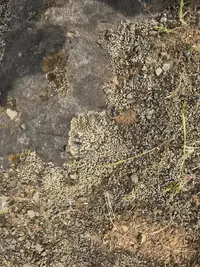
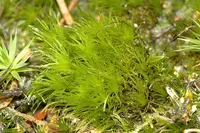
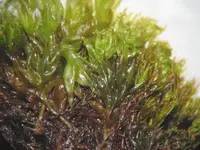
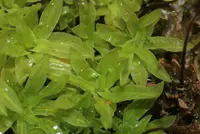
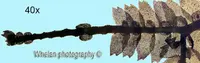
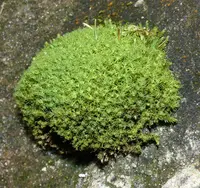
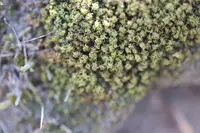
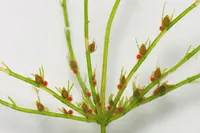
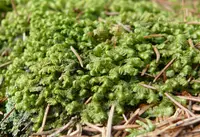
Elongate rock moss, Niphotrichum elongatum, is a small, cushion-forming moss that grows tightly against rocky surfaces and thin soils. It creates low, dense mats of fine, elongate leaves that give a soft but compact texture.
This species is typically found in cool, temperate regions on exposed rocks, cliffs, and gravelly slopes, often in areas with good air movement and regular moisture. It is generally hardy and low-maintenance, but it depends on consistent humidity and clean, mineral-rich substrates, which can make how to care for Elongate Rock Moss slightly more specialized than for common houseplants.
In cultivation, it tends to prefer bright, indirect light, stable moisture without waterlogging, and a gritty, well-drained medium that mimics natural rock crevices.

Care Difficulty
Moderate Care

Light Preference
Partial Shade

Water Requirements
Keep Soil Moist

Temperature Preference
Cool Climate

Hardiness Zone
4–7

Soil Texture
Rocky, Sandy, Loamy

Soil pH
Strongly acidic (4.5–5.5), Acidic (5.5–6.5)

Soil Drainage
Moist but well-drained

Fertilization
Minimal (feed rarely)
Scan your plant to receive care tips personalized for your specific plant
Available on iOS and Android
This moss prefers cool, bright conditions with limited direct sun exposure.
This species prefers consistently moist but not waterlogged conditions.
This moss is naturally cold-tolerant but still benefits from moderate, stable temperatures.
This rock moss handles a wide humidity range but performs best with moderate ambient moisture.
This species prefers mineral, sharply drained, slightly acidic substrates that mimic rocky slopes.
This moss can be grown in shallow containers that replicate a stable, rocky microhabitat.
This moss is adapted to nutrient-poor rock and soil and usually needs no additional feeding in the landscape.
Niphotrichum elongatum needs only minimal pruning to keep cushions tidy and healthy.
This species is usually grown on rocks or in outdoor beds, so focus on careful transplanting rather than frequent repotting.
Propagation of Niphotrichum elongatum is typically done by division of existing clumps rather than from spores at home.
This moss is naturally cold hardy and generally needs little specific winter care outdoors.

Plant Health Check
Not sure what's wrong with your plant? Check your plant's health inside the app.
This moss is recorded from high-arctic and subarctic regions, where it grows in exposed, wind-swept habitats that many other moss species cannot tolerate.
It typically occupies dry, stony ground and rocky substrates, forming loose tufts among gravel and rubble rather than dense cushions on soil.
The species was historically placed in the genus Racomitrium but has been reassigned to Niphotrichum based on detailed morphological and molecular studies of the Racomitrium complex.
This species forms low, tight cushions or mats that expand slowly from spores and creeping stems. It does not spread aggressively and is unlikely to overwhelm nearby plants when given typical rock garden or container conditions.
Keep your plants happy and healthy with plant identification, disease detection, and easy care guidance.