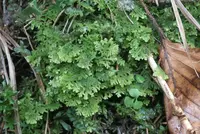
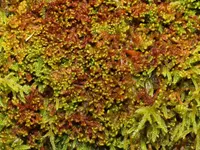
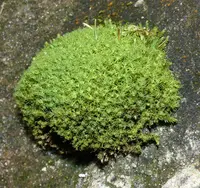
yellow crisp-moss Care (Tortella flavovirens)

Also known as: tortella moss
yellow crisp-moss

About yellow crisp-moss

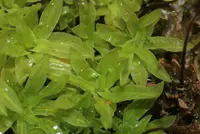
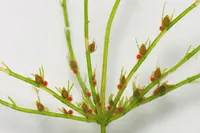
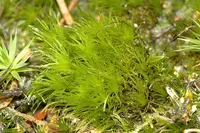
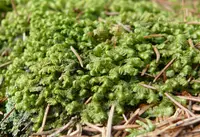
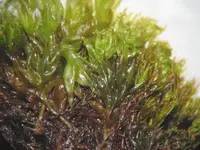
Yellow crisp-moss (Tortella flavovirens) is a small, cushion-forming moss often found in tight mats on soil, rocks, or old walls. Its leaves dry to a yellow-green, crisp texture, which gives the species its common name.

This moss naturally occurs in temperate regions, especially in relatively dry, open sites with some lime or minerals in the substrate. It is generally hardy and low-growing, which makes it stable once established but slower to spread than some other mosses.

For those who want to care for yellow crisp-moss, it tends to prefer bright indirect light, occasional moisture, and free-draining, slightly alkaline surfaces rather than constantly wet, acidic conditions.

Main Plant Requirements

Care Difficulty

Moderate Care

Light Preference

Partial Shade

Water Requirements

Keep Soil Moist

Temperature Preference

Cool Climate

Hardiness Zone

3–8

Soil Texture

Rocky, Sandy, Loamy

Soil pH

Acidic (5.5–6.5)

Soil Drainage

Moist but well-drained

Fertilization

Minimal (feed rarely)

Get Personalized Care Plan

Scan your plant to receive care tips personalized for your specific plant

Available on iOS and Android

How to Care for the yellow crisp-moss

Tortella flavovirens grows best in bright, open sites with gentle, not scorching, sun exposure.

  • Aim for 3–5 hours of direct morning sun or low-angle light, with bright shade or dappled light the rest of the day, similar to an open woodland edge.
  • The moss tolerates partial shade, but dense shade for most of the day leads to thinner cushions and duller color in yellow crisp-moss patches.
  • Avoid intense, unfiltered midday summer sun, which can overheat and desiccate exposed mats; provide light shade or nearby stones for slight shelter.

Tortella flavovirens prefers consistently moist but not waterlogged conditions that mimic damp, freely draining natural sites.

  • Allow the surface to just lose its sheen of moisture before rewetting, rather than waiting for the top 0.5–1 cm to dry completely, to prevent brittleness.
  • Use water that can drain away easily; prolonged puddling or standing water encourages rot, algae growth, and a limp, darkened appearance in the moss.
  • In hot, dry weather, increase misting or gentle soaking frequency, while in cool, humid seasons reduce watering once growth slows and cushions stay moist longer.

This moss is cool-tolerant and adapts to a wide temperature range when moisture is stable.

  • Optimal active growth occurs around 50–68°F (10–20°C), especially when combined with steady moisture and diffuse light.
  • Tortella flavovirens usually survives down to about 14°F (-10°C) under natural conditions, particularly if insulated by snow, but exposed dry cushions are more vulnerable.
  • Heat tolerance extends to about 86°F (30°C) if humidity stays higher and the substrate does not dry out completely; repeated hot, dry spells cause browning and dieback from the tips.

This moss prefers consistently moist conditions with moderate to high ambient humidity.

  • Aim for 50–80% humidity, as very dry air causes yellow crisp-moss to desiccate quickly.
  • Crisping edges, pale patches, and slow regrowth after watering indicate humidity stress rather than underwatering.
  • Increase local humidity by misting lightly, placing trays with damp sand nearby, or grouping moisture-loving plants close together.

This species favors thin, well-aerated mineral substrates rather than deep, rich potting mixes.

  • Use a gritty mix of 60–80% coarse sand or fine gravel with 20–40% sterile, low-organic material such as sifted loam or fine akadama.
  • Ensure very sharp drainage so water moves through within seconds; prolonged saturation encourages rot and algal overgrowth.
  • Keep pH slightly alkaline to neutral (pH 7.0–8.0) by incorporating a little crushed limestone or calcareous grit where appropriate.
  • Avoid dense peat, heavy compost, or clayey substrates that hold water and collapse pore spaces, limiting aeration around the moss rhizoids.

This moss can be grown in shallow containers if moisture and drainage are controlled carefully.

  • Choose a broad, shallow tray with multiple drainage holes so water films stay thin and do not pool under the mat.
  • Line the base with a thin layer of fine gravel to stabilize the substrate and prevent washout during watering.
  • Select non-porous materials like glazed ceramic or plastic to slow evaporation and keep the surface evenly damp without frequent watering.

Tortella flavovirens is adapted to low-nutrient habitats and usually needs no additional fertilizer under outdoor, soil-grown conditions.

Pruning needs for Tortella flavovirens are minimal and mainly focused on keeping moss cushions tidy and healthy.

  • Carry out light grooming in spring or early fall when growth is active and recovery is quick.
  • Gently pick or trim away dead, browned, or decaying patches to limit mold and maintain an even surface.
  • Remove any foreign plant material, algae, or weeds that shade or crowd the moss cushions.
  • Use fingers or fine scissors, taking care not to tear the substrate beneath the moss.

This moss is usually grown on rocks, soil crusts, or logs, so care focuses on careful transplanting rather than frequent repotting.

  • Consider transplanting when patches become too dense, growth declines, or you need to move yellow crisp-moss from a disturbed site.
  • Carry out moves in cool, moist weather, typically in spring or fall, to limit drying and stress.
  • Transplant every few years at most, lifting thin mats with a spatula and keeping the substrate attached.
  • Press the moss firmly onto the new, clean surface and mist thoroughly, keeping it evenly moist until well anchored.

New colonies of Tortella flavovirens are commonly started by division of existing cushions rather than by spores in home culture.

  • Best timing is during cool, moist seasons such as spring or early fall when desiccation risk is lower.
  • Gently tear or cut cushions into small fragments, each with healthy green shoots and some attached substrate.
  • Lay fragments on a stable, clean surface of sand, rock, or compact soil and press them into firm contact.
  • Maintain high humidity and consistent, light moisture with shade or dappled light until growth extends from the fragments.

This moss is generally cold hardy in temperate climates and needs little specific winter care outdoors.

Care Tips

Rock Crevice Placement

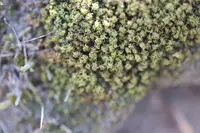
Tuck cushions of this moss tightly into shallow rock crevices or brick gaps so the substrate stays shaded and stable while the surface still dries between wettings, which mimics its natural microhabitat.

Controlled Desiccation Cycles

Allow small test patches to dry fully, then rehydrate with a fine mist to identify how far your colony tolerates drying, and use that information to set a safe irrigation rhythm for the whole patch.

Low-Nutrient Substrate

Use a lean mineral mix such as fine sand with a little loam or crushed brick and avoid organic-rich potting media, which encourages algae and liverworts that quickly overgrow this slow moss.

Algae Light Management

If green algae starts to coat the moss, slightly shorten daily light exposure and improve air movement rather than scrubbing, which reduces algae pressure without physically damaging the delicate shoots.

Sectional Propagation

Lift and divide the cushion into small plugs using a blunt spatula and press them onto fresh stone or sand in a grid pattern, which speeds up coverage and gives spare material in case some patches fail when growing yellow crisp-moss.

Common Pests and Diseases

Bryophyte rust fungi

This disease appears as scattered yellow to orange-brown spots or pustules on moss cushions, often leading to thinning and loss of the lush green color. Symptoms include weakened growth, especially in compact, nutrient-enriched patches.

Solution

Remove and discard heavily affected cushions and reduce nutrient inputs such as fertilizer or runoff from richer soils, since rust fungi favor enriched, moist sites. Improve air movement, avoid constant overhead watering in indoor or tray cultures, and if growing yellow crisp-moss in a collection, separate infected clumps to limit spread to other bryophytes.

Slugs and snails

These pests rasp off soft moss tissue, leaving irregularly grazed patches, bare spots, and slime trails across cushions. Damage is most common in cool, damp, shaded sites or in outdoor trays placed on the ground.

Solution

Hand-pick slugs and snails in the evening or early morning, and use physical barriers such as copper tape or coarse grit around trays or display areas. Elevate containers, reduce hiding places like dense debris and pots in contact with soil, and use iron phosphate slug baits placed away from the moss surface if grazing continues.

Springtails

These insects thrive in saturated substrates and can disturb fine moss cushions, especially in enclosed terraria or propagation trays. This pest rarely kills the moss but can cause localized dieback when populations become very dense in overly wet, organic media.

Solution

Reduce constant saturation by allowing short drying intervals, improve ventilation, and remove excess decaying organic matter in and around the moss. If numbers remain high, briefly flood-rinse the moss and substrate to dislodge springtails, then drain well, or relocate the colony onto a more mineral, less decomposable substrate such as sand or fine gravel.

Algal overgrowth

This condition appears as smooth, bright green or dark green films covering the moss surface, causing smothering and reduced photosynthesis. Symptoms include dull, patchy cushions that stop expanding and may develop thin or dead areas underneath the algal layer.

Solution

Increase light airflow and slightly reduce constant surface wetting by spacing plants and avoiding stagnant water on top of the moss. Gently brush or rinse off algal films with clean water, reduce nutrient-rich runoff, and if necessary move the colony to a more open, less nutrient-enriched location or substrate.

Filamentous mold

This disease shows as fine white, gray, or slightly fuzzy threads between moss shoots, especially in stagnant, poorly ventilated containers. Symptoms include soft, collapsing areas of moss and a musty smell in closed setups such as terraria or propagation boxes.

Solution

Open containers more frequently to increase air exchange, remove and discard visibly moldy clumps, and thin dense cushions to improve airflow between shoots. Allow the surface to dry very slightly between mistings, clean container walls, and reduce decaying organic debris to keep the microhabitat less favorable to mold growth.

Interesting Facts

Color-changing leaf tips

The upper leaf cells of this moss often turn yellowish to golden, especially in exposed, slightly dry sites, which gives the species its name flavovirens, meaning yellow-green.

Soil alkalinity specialist

This species typically grows on calcareous, base-rich soils and substrates, where its presence can indicate lime-influenced or otherwise alkaline ground conditions.

Twisted dry leaves

When dry, its narrow, lance-shaped leaves become distinctly twisted and crisped along the stem, a reversible response that reduces water loss and helps it tolerate periodic desiccation.

FAQs about yellow crisp-moss

Growth is slow to moderate. New cushions expand a few millimeters to about 1 cm per year under good moisture and light. It spreads mainly by short creeping stems and fragments rather than rapid, tall growth.

Grow Healthy Plants with Botan Care

Keep your plants happy and healthy with plant identification, disease detection, and easy care guidance.

Botan plant care app — identify plants on mobile

Explore More Plants