Maintain Shallow Substrate
Use a very shallow layer (1–2 cm) of fine, moisture-retentive substrate over a firm base so the thallus can stay flat and avoid rotting in deep, soggy pockets.

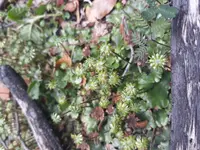
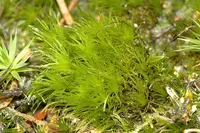
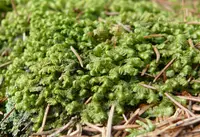
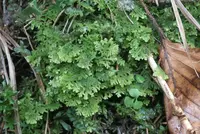
Bonfire liverwort (Marchantia berteroana) is a small, non-vascular plant that forms flat, lobed green mats pressed close to the soil surface. It spreads by creeping, leafy-looking thalli rather than true stems and leaves.
This species is native to moist, temperate regions of the Southern Hemisphere and is often found on damp soil, shaded rock, or greenhouse benches. Its rapid colonization of wet, open surfaces can make it either an interesting ground cover in very humid setups or a persistent greenhouse weed.
It prefers cool, shaded, constantly moist conditions and thrives in fine, compact, or poorly drained substrates. These traits mean it is easy to keep alive where humidity is high, but managing or choosing to care for Bonfire Liverwort indoors requires strict moisture and shade control.

Care Difficulty
Moderate Care

Light Preference
Partial Shade

Water Requirements
Keep Soil Moist

Temperature Preference
Warm Climate

Hardiness Zone
9–11

Soil Texture
Loamy, Silty, Organic-rich

Soil pH
Acidic (5.5–6.5), Slightly acidic (6.5–7.0)

Soil Drainage
Waterlogged tolerant

Fertilization
Minimal (feed rarely)
Scan your plant to receive care tips personalized for your specific plant
Available on iOS and Android
This liverwort prefers soft, filtered light that mimics a moist forest floor or shaded rock surface.
This moisture-loving liverwort needs consistently damp conditions but not stagnant water around its base.
This species favors cool to mild temperatures with protection from frost and extreme heat.
This liverwort needs constantly high humidity to form healthy, flat thalli.
Marchantia berteroana prefers a constantly moist, fine-textured, organic-rich substrate rather than standard potting mixes.
This species can be grown successfully in shallow containers and trays when moisture and airflow are controlled carefully.
This liverwort is adapted to low-nutrient habitats and usually needs no added fertilizer for healthy growth.
Marchantia berteroana benefits from light grooming rather than formal pruning.
This species is usually grown in shallow trays or terraria, so focus on gentle transplanting rather than deep repotting.
This liverwort is commonly multiplied vegetatively for consistent coverage and is central to Marchantia berteroana plant care.
In mild, frost-free climates this plant needs little specific winter attention beyond stable moisture.

Plant Health Check
Not sure what's wrong with your plant? Check your plant's health inside the app.
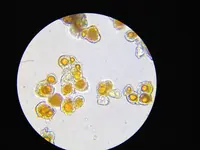
This species has specialized sporangia that open rapidly in dry conditions, using built‑in springlike tissues called elaters to fling spores short distances when humidity drops.
The thallus margins often show a noticeable red to purple band, caused by pigments that are thought to offer some protection against intense light and ultraviolet radiation.
This liverwort commonly colonizes freshly disturbed, compact, or bare soils in cool, moist climates, helping stabilize the surface and create microhabitats for later mosses and small vascular plants.

Marchantia berteroana forms male and female reproductive structures on separate umbrella‑like stalks that rise above the flat thallus, which helps rain splash disperse sperm across the soil surface to reach distant female plants.
This species performs best outdoors in cool, shaded, consistently moist positions such as rock crevices, greenhouse benches, and damp patios. Indoors it usually declines quickly unless humidity, moisture, and airflow closely mimic a naturally wet, sheltered habitat.
Keep your plants happy and healthy with plant identification, disease detection, and easy care guidance.