Trentepohlia umbrina Care

Trentepohlia umbrina

About Trentepohlia umbrina

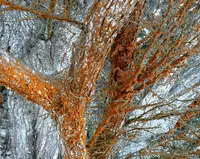
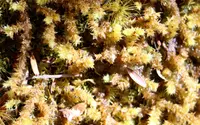
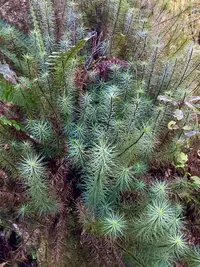
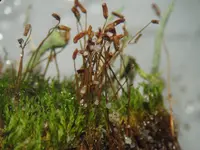
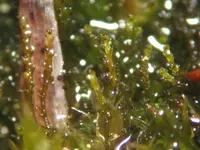
Trentepohlia umbrina is a terrestrial green alga rather than a typical vascular plant. It usually forms thin, velvety, orange to brownish patches on damp rock, soil, or tree bark. The color comes from carotenoid pigments that mask the underlying green chlorophyll.

This species is most often found in humid, shaded habitats, including forested areas and moist cliff faces in temperate to subtropical regions. It spreads as a surface film rather than forming upright stems or leaves.

In cultivation, it can be challenging to maintain because it needs constant moisture, clean air, and stable shade, conditions that are hard to reproduce indoors. Those who want to learn how to care for Trentepohlia umbrina should focus on steady humidity and a protected, low-light, outdoor-like microhabitat.

Main Plant Requirements

Care Difficulty

Hard Care

Light Preference

Partial Shade

Water Requirements

Keep Soil Moist

Temperature Preference

Warm Climate

Hardiness Zone

Unknown

Soil Texture

Loamy, Silty, Organic-rich

Soil pH

Acidic (5.5–6.5)

Soil Drainage

Moist but well-drained

Fertilization

Minimal (feed rarely)

Get Personalized Care Plan

Scan your plant to receive care tips personalized for your specific plant

Available on iOS and Android

How to Care for the Trentepohlia umbrina

This filamentous alga thrives in bright, humid sites with soft, indirect light rather than harsh sun.

  • Provide bright shade or dappled light, such as north or east-facing rock faces or tree trunks with 1–3 hours of gentle morning sun and no intense afternoon sun.
  • Tolerates deep shade but color often dulls; in 3–5 hours of filtered light, Trentepohlia umbrina typically shows stronger orange to rusty pigmentation.
  • On exposed walls, protect from strong midday sun that dries surfaces quickly, especially in summer, to prevent desiccation and patchy dieback.

This species prefers consistently moist, not waterlogged, surfaces that never dry out completely.

  • Maintain substrate moisture so the surface feels slightly damp most of the time; do not allow it to stay bone-dry for more than 1–2 days in warm weather.
  • Increase misting or gentle spraying in dry or windy periods, watching for pale, shriveled filaments as a sign of underwatering stress.
  • Avoid poor drainage or constant runoff that leaves the surface saturated, which encourages competing algae, lichens, and biofilm rather than healthy growth.

This alga is adaptable but grows best in mild, frost-free, humid conditions on stable outdoor surfaces.

  • Optimal growth occurs around 55–77°F (13–25°C), where surfaces stay moist for long periods without freezing or overheating.
  • It tolerates brief drops to around 32°F (0°C), but repeated hard frosts can damage exposed filaments, especially on windy, unsheltered sites.
  • In hot spells above 86°F (30°C), growth often slows; shade and higher humidity help prevent desiccation and maintain colony coverage.

This species prefers consistently moist air but survives in a moderate range if not allowed to dry out completely.

  • Aim for 60–80% humidity, avoiding prolonged exposure below 40%.
  • Dry air leads to duller color, slowed growth, and crisping or shrinking of exposed filaments.
  • Increase humidity with nearby open trays of water, grouped moisture-loving plants, or frequent misting in a well-ventilated area.

For cultivation, Trentepohlia umbrina needs a moist, highly aerated, mineral-rich surface substrate that mimics rock or bark crevices.

  • Use a coarse, open mix such as 50% fine gravel or sand with 25% leaf litter or compost and 25% fine bark or perlite.
  • Maintain constant light moisture but ensure water drains freely so the surface never becomes waterlogged or anaerobic (lacking oxygen).
  • Aim for slightly acidic to neutral conditions around pH 5.5–7.0, avoiding strongly alkaline mixes rich in lime or concrete dust.
  • Spread the mix in a shallow layer over rock, brick, or bark pieces to maximize contact with air and prevent compacted zones.

This alga can be maintained in containers when grown on stones, bark, or similar hard surfaces rather than in potting soil.

  • Choose a wide, shallow container to spread support stones or bark so the colony forms a thin, well-aerated surface layer.
  • Use a heavy or low-profile container to prevent tipping if the support pieces are irregular or stacked for vertical exposure.
  • Provide a slight tilt or textured container base so excess water drains off the surfaces quickly instead of pooling around them.

This crust-forming alga is adapted to low-nutrient habitats and usually needs little to no supplemental feeding in gardens or on hard surfaces.

Pruning is not relevant for Trentepohlia umbrina, as it is a microscopic crustose alga rather than a conventional garden plant.

In cultivation, this species is usually managed on outdoor surfaces rather than in containers, so transplanting focuses on moving colonized material.

  • Consider moving material only when growth becomes too dense or spreads to unwanted structures, such as walls or statues.
  • Handle colonized stones, bark, or other substrates gently to avoid scraping off the algal layer.
  • Transplant during mild, moist weather to reduce desiccation stress on the exposed algal filaments.
  • Place the new substrate in similar shade, humidity, and exposure conditions to support re-establishment.

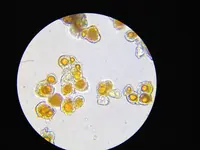
Propagation of this alga is specialized and not typically attempted by home growers, as it mainly spreads via microscopic spores and fragments.

Outdoor populations are generally cold hardy and require no special winter care in typical temperate climates.

Care Tips

Encourage Even Coverage

When the colony starts to look patchy on bark, rock, or greenhouse surfaces, gently mist and then press a clean, damp sponge over bare areas to redistribute some algal film for more even recolonization.

Control Excess Thickness

If growth becomes too thick and holds standing moisture, lightly wipe or brush away the upper layer so a thin, well-aerated film remains, which reduces the risk of fungal overgrowth on the substrate.

Substrate Selection

For deliberate culture, choose inert, rough-textured materials like unglazed clay, pumice, or weathered bark rather than nutrient-rich potting mixes, as these surfaces better support stable Trentepohlia mats with less competition from mosses and higher plants.

Algae-Friendly Airflow

Provide gentle, continuous air movement across the colony using a small fan on low setting, as this helps surfaces dry slightly between wetting cycles while keeping ambient humidity high enough for stable growth.

Seasonal Moisture Adjustment

In winter or during cool, short days, reduce the frequency of wetting cycles so the surface does not stay saturated for many hours, since slower metabolism means less water use when caring for Trentepohlia umbrina.

Common Pests and Diseases

Algal overgrowth

Symptoms include thick, felt-like orange to reddish mats that become overly dense and may trap water and debris on bark, rocks, or man‑made surfaces. This condition reflects unusually high moisture, shade, and nutrient deposition rather than a classic infection by another organism.

Solution

Reduce moisture and shade by improving airflow, pruning overhanging vegetation, and limiting overhead irrigation or constant water splash. On hard surfaces, gently brush or pressure‑wash small areas; on living bark or delicate substrates, use a soft brush and water to thin growth gradually, avoiding deep scraping that damages underlying tissue.

Sooty mold on colonies

This disease appears as black, powdery or crusty growth developing over the orange algal layer, often where honeydew from nearby sap‑feeding insects accumulates. This shading layer can slow algal photosynthesis and alter the color and vigor of the Trentepohlia mat.

Solution

Identify and manage nearby honeydew‑producing insects such as aphids or scale on host plants using targeted treatments like horticultural soap or oil. Once honeydew sources are reduced, gently rinse affected areas with water and, if needed, lightly brush to remove sooty deposits without stripping the algal layer; this approach supports balanced Trentepohlia umbrina care instructions in built landscapes.

Desiccation damage

This condition shows as pale, bleached, or gray patches within the orange colony, often with a dry, flaky texture and reduced coverage. These changes come from prolonged low humidity, strong sun, or wind exposure that exceeds the alga’s tolerance.

Solution

Increase local humidity by reducing direct wind exposure and avoiding hot, reflective surfaces where possible, and maintain moderate shade during the hottest hours. Where the alga grows on garden structures or bark, avoid aggressive cleaning or chemical treatments and allow time for recolonization once moisture and shade are more stable.

Chemical burn

Symptoms include sharply defined, discolored, or dead patches following application or drift of herbicides, strong detergents, or outdoor cleaners onto colonized surfaces. Damaged areas may turn brown, then gray, and the algal tissue may detach.

Solution

Prevent exposure by shielding known colonies before applying herbicides, bleach, or detergents nearby, and avoid treating above colonies where runoff will pass over them. After accidental contact, flush the surface thoroughly with clean water to dilute residues and then wait several weeks to assess recovery; new growth often returns from protected micro‑patches once chemical stress is removed.

Interesting Facts

Orange carotenoid coating

This species develops a characteristic orange to rust-colored surface due to large amounts of carotenoid pigments, which mask the green chlorophyll and help protect the cells from high light and UV exposure.

Preference for damp shade

It is most often recorded on damp, shaded rock or masonry surfaces in humid, temperate environments, where stable moisture and reduced direct sun allow its filamentous mats to persist.

Indicator of moist microclimates

Field records show that colonies are strongly associated with sheltered, moisture-retentive niches such as cave entrances, old walls, and shaded rock faces, so its presence can indicate a consistently humid local microclimate.

FAQs about Trentepohlia umbrina

Growth is generally slow to moderate. This filamentous alga expands as a thin, velvety layer over bark, rocks, or walls, thickening gradually over months to years rather than producing noticeable height or large structures.

Grow Healthy Plants with Botan Care

Keep your plants happy and healthy with plant identification, disease detection, and easy care guidance.

Botan plant care app — identify plants on mobile

Explore More Plants