hylocomiastrum moss Care (Hylocomiastrum umbratum)

Also known as: Shaded Wood-moss
hylocomiastrum moss

About hylocomiastrum moss

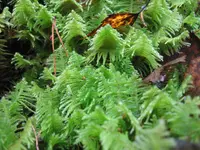
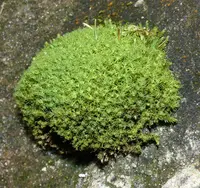
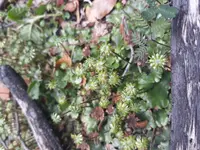
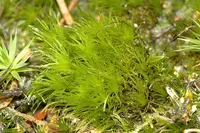
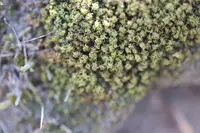
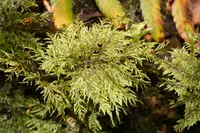
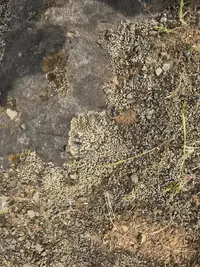
Hylocomiastrum umbratum is a creeping, feather-like moss that forms soft, layered carpets over soil, rocks, and decaying wood. Its finely divided stems create a dense, textured mat. This moss is typically found in cool, moist forests of the Northern Hemisphere, especially in shaded, humid microhabitats with stable moisture. It is relatively undemanding if its need for constant, gentle moisture and protection from direct sun is met. Because it has no true roots and absorbs water and nutrients over its leaf surface, it is sensitive to drying out and pollution. These traits guide how to care for hylocomiastrum moss in containers or terrariums.

Main Plant Requirements

Care Difficulty

Moderate Care

Light Preference

Shade

Water Requirements

Keep Soil Moist

Temperature Preference

Cold Hardy

Hardiness Zone

3–7

Soil Texture

Loamy, Peaty, Organic-rich

Soil pH

Strongly acidic (4.5–5.5), Acidic (5.5–6.5)

Soil Drainage

Moist but well-drained

Fertilization

Minimal (feed rarely)

Get Personalized Care Plan

Scan your plant to receive care tips personalized for your specific plant

Available on iOS and Android

How to Care for the hylocomiastrum moss

This forest moss prefers cool, shaded sites with soft, filtered light.

  • Aim for dappled shade or filtered light equal to 2–4 hours of weak morning sun, with no direct midday sun on the moss carpet.
  • Tolerates deep shade under trees, but in very dark spots growth can thin and lose its fresh green color over several seasons, especially for hylocomiastrum moss in drier climates.
  • In summer, protect from 10 a.m.–4 p.m. sun to prevent bleaching and crispy tips; winter low-angle sun through bare branches is usually safe.

This moss thrives in consistently moist, not waterlogged, conditions.

  • Keep the top 1–2 cm of the substrate moist; water or mist when the surface looks dull and feels barely damp rather than fully dry.
  • In spring and fall, moisture from rainfall is often enough; in hot, windy, or sloped sites, supplement with gentle watering to prevent curling or brittle fronds.
  • Avoid standing water and compacted soil, which cause slimy, dark patches and decay; healthy Hylocomiastrum umbratum feels springy, not mushy or crunchy.

This species is adapted to cool, temperate conditions and tolerates a wide outdoor range.

  • Optimal growth occurs around 45–65°F (7–18°C), especially in shaded, moist woodland or rock-garden settings.
  • Tolerates drops to about 5°F (-15°C) under snow or leaf litter; exposed winter frost is usually safe but severe freeze–thaw cycles can desiccate exposed patches.
  • Handles short heat up to 80–85°F (27–29°C) if shade and high humidity are maintained; prolonged hotter, dry periods cause browning unless the substrate stays moist.

This moss prefers consistently moist, cool air and reacts quickly to dry indoor conditions.

  • Aim for 60–90% humidity, using a terrarium, shaded outdoor spot, or covered tray to retain moisture.
  • In dry air, shoots become pale, brittle, and curl at the tips, indicating humidity stress rather than only lack of watering.
  • Increase humidity by grouping containers, adding a pebble tray with water below the moss, or using a fine-mist sprayer briefly.
  • Soil for Hylocomiastrum umbratum should mimic a forest floor: soft, springy, and high in decomposed organic matter with even moisture retention.
  • Use a mix such as 60% sifted leaf mold or fine compost, 20% fine pine bark, and 20% sand or fine pumice to balance moisture and drainage.
  • Keep pH slightly acidic, around 5.0–6.5, avoiding limed mixes, heavy clay, or any substrate that compacts when wet and cracks when dry.
  • Improve aeration by lightly fluffing the surface layer and avoiding firm packing; moss rhizoids anchor best in a loose, ventilated substrate.
  • This species adapts well to containers if moisture and airflow are balanced.
  • Choose a shallow, wide container so the creeping mats can spread horizontally without thick, suffocating layers.
  • Select non-porous pots, such as glazed ceramic or plastic, to slow evaporation while still relying on drainage holes for water escape.
  • Elevate the container slightly on feet or grids so drainage holes stay clear and runoff does not wick back into the moss.

,

,

This moss is adapted to nutrient-poor substrates and usually needs no fertilizer in naturalistic culture.

  • If growth appears weak in a controlled container setup, apply highly diluted balanced NPK liquid feed at 1/8–1/4 strength.
  • Use rainwater or distilled water to dilute fertilizer, since hard tap water can accumulate salts on the moss surface.
  • Limit any feeding to the active growing season and stop entirely in winter to avoid stress to hylocomiastrum moss.

Hylocomiastrum umbratum requires only light grooming rather than true pruning.

  • Trim small patches in spring or early summer to remove dead, browned, or broken shoots.
  • Use clean scissors or fine snips to cut just above healthy green tissue without pulling tufts loose.
  • Selective thinning of crowded areas can improve air movement and maintain an even, low cushion form.
  • Collect removed pieces for potential reuse as propagation material or for patching thin spots.

This moss is usually grown on logs, rocks, or soil surfaces, so care focuses on gentle transplanting rather than frequent repotting.

  • Transplant when mats detach, dry out unevenly, or when the substrate breaks down or becomes compacted.
  • Best timing is in cool, moist weather in spring or early autumn to limit desiccation stress.
  • Lift the moss as intact sheets, keeping attached substrate when possible to preserve rhizoids and microfauna.
  • Press gently onto the new, clean, moist surface and mist thoroughly, shading for 1–2 weeks while it reattaches.

Hylocomiastrum umbratum is commonly spread by division of existing mats rather than from spores in home culture.

  • Carry out division in spring or early autumn when moisture is reliable and temperatures are mild.
  • Tear or cut the moss into small pads, each with healthy green tips and some attached brown basal tissue.
  • Lay pieces onto a rough, moist, low-nutrient substrate and press lightly for firm contact.
  • Maintain high humidity, gentle shade, and frequent fine misting until new tips extend and gaps fill in.

This woodland moss is quite cold hardy and normally needs minimal winter care outdoors.

  • In the ground, it tolerates freezing conditions and snow cover without extra mulch in most temperate climates.
  • Avoid de-icing salts, heavy foot traffic, and strong winter sun reflection, which can scorch or dry cushions.
  • For container displays, keep the substrate just moist, shelter from harsh drying winds, and avoid freeze–thaw cycles that heave the mat.

Care Tips

Substrate Layering

Create a 2–3 cm base layer of rinsed quartz sand or fine gravel under the moss mat to keep rhizoids aerated and reduce the risk of stagnant, anaerobic pockets that encourage rot.

Moss Mat Anchoring

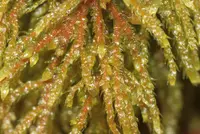
Lightly press the moss into rough, textured stone, bark, or mesh and secure with a few pins or biodegradable thread so new rhizoids can attach firmly and form a stable, even carpet over time.

Seasonal Moisture Adjustment

In outdoor or cold-frame culture, reduce misting frequency and allow slightly longer surface drying in late fall and winter to prevent freeze damage to waterlogged tissue.

Clean Water Management

Use collected rainwater or filtered, low-mineral water and occasionally flush the moss bed thoroughly so dissolved salts do not accumulate and burn delicate shoot tips.

Periodic Debris Grooming

Every few weeks, gently lift and shake the moss or use soft tweezers to remove fallen leaves, needles, and algae, keeping light and air penetration high and reducing fungal problems when caring for hylocomiastrum moss.

Common Pests and Diseases

Springtails

These insects often colonize moist moss cushions and feed on decaying organic matter, occasionally grazing on tender moss tips. Symptoms include subtle thinning of new growth in overly wet containers or terraria.

Solution

Reduce constant saturation by allowing the surface to drain between waterings, remove excess decaying debris, and improve airflow. If populations stay high in indoor culture, rinse the moss gently under tepid water and, if needed, use a mild insecticidal soap drench labeled for use around mosses, testing first on a small patch.

Slugs and snails

These pests hide in damp moss stands and feed at night, leaving ragged patches, missing shoots, and slime trails across cushions. Damage is most common in shaded outdoor culture or in very humid cold frames.

Solution

Hand-pick slugs and snails at dusk or early morning and remove nearby hiding places such as boards, stones, or dense debris. Where pressure is high, use iron phosphate slug bait placed around but not directly on the moss, and reduce constant wetness on surrounding soil to make the habitat less favorable.

Bryophyte fungal blight

This disease appears as localized brown, collapsing patches that spread outward, often after prolonged saturation, poor airflow, or contamination from garden soil fungi. Symptoms include a mushy texture and failure of new shoots to green up even in good light.

Solution

Promptly trim and discard affected cushions, then increase ventilation, reduce prolonged waterlogging, and avoid overhead watering that keeps fronds wet for many hours. In container culture, thin dense mats slightly, keep only clean, low-organic substrates, and for valuable collections consider a targeted fungicide labeled for bryophytes, applied at reduced strength after small-scale testing.

Green algae overgrowth

This issue occurs when filamentous or slimy algae coat the moss surface under very high moisture and low air movement, forming a bright green film that shades and weakens the shoots. Symptoms include dulled texture, reduced new growth, and slippery surfaces on rocks or substrate.

Solution

Lower the water level or frequency so the moss surface is moist but not constantly waterlogged, and increase light and airflow without exposing the moss to direct, drying sun. Gently rinse or brush off algae from the surface, reduce dissolved nutrients (for example from fertilizers or runoff), and in terraria adjust ventilation and lighting to favor stable, cool, but not stagnant conditions for Hylocomiastrum umbratum care.

Interesting Facts

Northern forest specialist

This moss is most common in cool, boreal and montane coniferous forests of the Northern Hemisphere, where it often forms extensive mats on the forest floor under spruce and fir canopies.

Shade-adapted morphology

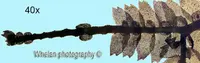
Its shoots are strongly flattened and arching, with overlapping leaves that optimize light capture in deep shade and help shed excess water in persistently moist habitats.

Indicator of stable habitats

Populations of this species are often associated with relatively undisturbed, moist, acidic forest soils, so its presence can indicate long-term habitat continuity and low recent disturbance.

FAQs about hylocomiastrum moss

This species spreads slowly to moderately by extending its creeping stems and producing new side branches. It can form soft carpets over time but is not typically aggressive or smothering compared with faster colonizing mosses.

Grow Healthy Plants with Botan Care

Keep your plants happy and healthy with plant identification, disease detection, and easy care guidance.

Botan plant care app — identify plants on mobile

Explore More Plants