

Rock-surface preparation
Before attaching this moss, lightly scrub rock or brick with a stiff brush and rinse so that dust, algae, and loose particles do not block rhizoids from gripping the surface.

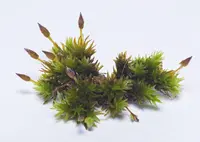
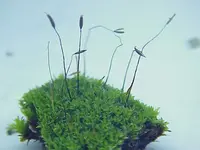
Orthotrichum anomalum is a small cushion-forming moss commonly found on rocks, old walls, and tree bark. It belongs to a group of hardy mosses that tolerate exposure and drying. Plants form dense, tufted clumps of short, upright stems with narrow leaves that curl when dry and open again when moistened. This habit allows the moss to survive fluctuating moisture. In nature, it occurs widely across temperate regions, especially in urban areas with stone surfaces. It prefers cool to mild conditions, moderate light, and a stable, slightly moist surface but does not need constant wetness. These traits make it relatively forgiving for those learning how to care for orthotrichum moss, as long as extremes are avoided.

Care Difficulty
Easy Care

Light Preference
Partial Shade

Water Requirements
Moderate Water

Temperature Preference
Cold Hardy

Hardiness Zone
3–8

Soil Texture
Rocky, Loamy, Organic-rich

Soil pH
Acidic (5.5–6.5), Slightly acidic (6.5–7.0)

Soil Drainage
Well-drained

Fertilization
Minimal (feed rarely)
Scan your plant to receive care tips personalized for your specific plant
Available on iOS and Android
This moss prefers cool, indirect light that mimics shaded rock or bark habitats.
Watering should aim to keep the moss frequently moist but not submerged for long periods.
Temperature tolerance is broad, but steady cool to mild conditions support the best growth.
This moss prefers consistently moist air but survives short dry spells if hydrated at the base.
This species anchors best on firm, mineral-based substrates with thin organic films rather than deep, loose potting media.
This moss can be grown in shallow containers if moisture, airflow, and surface stability are well managed.
This moss generally thrives without feeding, so avoid routine fertilization for Orthotrichum anomalum on natural substrates.
Orthotrichum anomalum needs almost no true pruning; only minimal grooming keeps cushions tidy and healthy.
Transplanting Orthotrichum anomalum focuses on moving intact patches rather than disturbing fine root-like structures called rhizoids.
New Orthotrichum anomalum mats are most often established by vegetative fragments rather than spores in home settings.
This moss is naturally cold hardy in most temperate climates and usually needs no special winter care.

Plant Health Check
Not sure what's wrong with your plant? Check your plant's health inside the app.
This moss often colonizes old brickwork, concrete, and roof tiles in towns and cities, taking advantage of slightly alkaline, nutrient-poor surfaces where many other mosses struggle to establish.
Its leaves curl tightly around the stem during dry periods, allowing the plant to tolerate repeated cycles of drying and rehydration without significant damage to its tissues.
The almost cylindrical, ribbed spore capsules sit on very short stalks and release spores gradually, a structure thought to help spores disperse efficiently in turbulent air along rock faces and walls.

This species is considered an early colonizer of man-made stone and mortar structures across Europe and parts of North America, and long-term monitoring has used its presence on historic buildings as an indicator of changes in urban air quality over time.
This species spreads slowly by spores and short vegetative fragments. It forms small, patchy cushions rather than large carpets. In gardens or on stone and bark, it is generally easy to confine and does not behave aggressively.
Keep your plants happy and healthy with plant identification, disease detection, and easy care guidance.

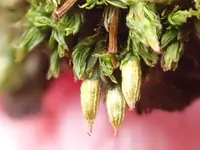
orthotrichum moss
Orthotrichum tenellum
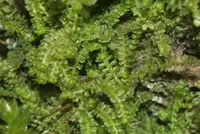
Trunk Pawwort
Neoorthocaulis attenuatus
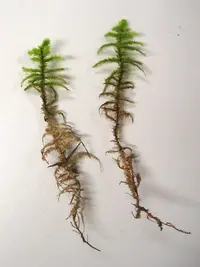
rough goose neck moss
Hylocomiadelphus triquetrus
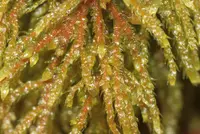
hylocomiastrum moss
Hylocomiastrum umbratum
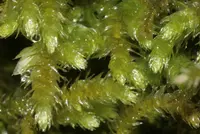
Common Striated Feather-moss
Eurhynchium striatum
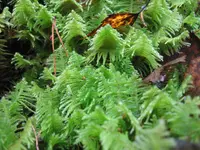
knights plume moss
Ptilium crista-castrensis
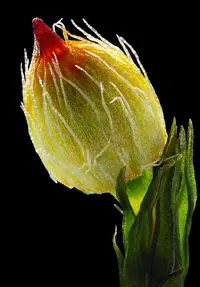
orthotrichum moss
Orthotrichum stramineum
tortula moss
Tortula muralis