Seliger's herzogiella moss Care (Herzogiella seligeri)

Also known as: Silesian Feather-moss
Seliger's herzogiella moss

About Seliger's herzogiella moss

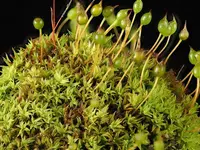
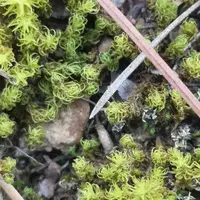
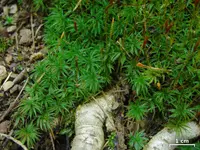
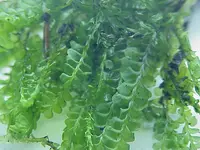
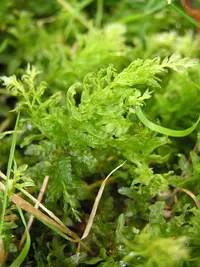
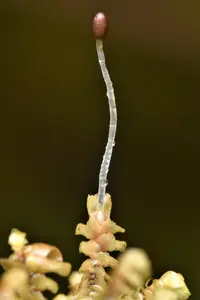
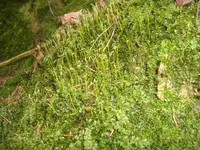
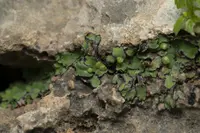
Seliger's herzogiella moss (Herzogiella seligeri) is a small, creeping moss that forms thin, green carpets on bark, rotting wood, and shaded rocks. Its stems are slender with closely set leaves, giving a fine, feathery texture at close view.

This moss is native to temperate regions of the Northern Hemisphere, often found in cool, moist forests and along streams. It typically favors shaded, humid spots where the substrate stays damp but not waterlogged.

Herzogiella seligeri is generally considered a modest, adaptable moss, but it dislikes drying out and strong direct sun. These traits mean it is not difficult, but steady moisture and gentle light are important if you want to learn how to care for Seliger's herzogiella moss.

Main Plant Requirements

Care Difficulty

Moderate Care

Light Preference

Partial Shade

Water Requirements

Keep Soil Moist

Temperature Preference

Cool Climate

Hardiness Zone

3–8

Soil Texture

Loamy, Silty, Organic-rich

Soil pH

Strongly acidic (4.5–5.5), Acidic (5.5–6.5)

Soil Drainage

Moist but well-drained

Fertilization

Minimal (feed rarely)

Get Personalized Care Plan

Scan your plant to receive care tips personalized for your specific plant

Available on iOS and Android

How to Care for the Seliger's herzogiella moss

This moss prefers soft, indirect light that mimics a shaded forest floor.

  • Provide bright shade or dappled light, such as under shrubs or trees, with 1–3 hours of weak morning sun and no harsh midday or afternoon sun.
  • Seliger's herzogiella moss tolerates deep shade but grows denser in partial shade where it receives filtered light most of the day.
  • In summer, shield it from direct sun to prevent bleaching and drying; in winter, slightly thinner canopy cover can increase light without stressing the plant.

Consistently moist conditions are essential for healthy Herzogiella seligeri growth.

  • Keep the substrate evenly damp, not waterlogged, so that the surface never fully dries; mist or gently soak when the top feels slightly less springy or begins to lighten in color.
  • Ensure excellent drainage with a loose, porous surface (rock, bark, or gritty soil) that allows excess water to run off while retaining surface moisture.
  • In warm, windy, or very dry weather, increase misting frequency; in cool, wet seasons, reduce added water and watch for slimy, dark patches that suggest overwatering.

This moss is adapted to cool, temperate conditions with moderate seasonal variation.

  • Aim for 50–70°F (10–21°C) for active growth, with best vigor around 55–65°F (13–18°C) in consistently moist, shaded sites.
  • Herzogiella seligeri tolerates brief drops near 20°F (-6°C) under snow or leaf litter but repeated freeze–thaw on exposed surfaces can cause dieback.
  • In hot periods above 80°F (27°C), increase shade and humidity and avoid heat-reflective rock or metal surfaces, which can overheat and desiccate the mats.

This moss prefers consistently moist, high-humidity conditions to maintain dense, healthy growth.

  • Aim for 70–90% humidity, using a terrarium, closed display, or regularly misted shaded outdoor spot.
  • It tolerates only brief dips to 50–60% before fronds dry and tips brown, especially in moving air.
  • Crisping shoots, pale patches, and shrinking cushions signal low humidity; increase moisture with daily misting, a humidity dome, or fine-mesh covering when caring for Seliger's herzogiella moss.

Herzogiella seligeri thrives on moist, airy, organic-rich substrates that stay damp but never stagnant.

  • Use a loose mix of fine orchid bark, milled sphagnum, and leaf mold or composted forest humus in roughly equal parts.
  • Aim for slightly acidic conditions around pH 5.0–6.0, avoiding limy or strongly alkaline substrates that inhibit growth.
  • Ensure slow, even drainage by placing the mix over a coarse gravel or pumice layer so water can move away yet keep the surface moist.
  • Avoid dense peat blocks, heavy garden soil, or constantly waterlogged trays, which limit aeration and encourage rot and algae overgrowth.

This species adapts well to shallow container culture, especially in terrariums or tray displays.

  • Choose a wide, shallow container so the creeping mats can spread horizontally without building thick, unstable layers.
  • Add a distinct drainage layer under the moss substrate to let excess water move away while the upper layer stays evenly damp.
  • Select glass or glazed ceramic containers that slow evaporation, then adjust watering frequency to prevent drying along exposed edges.

This moss grows on low-nutrient substrates and usually needs no additional fertilizer in normal conditions.

Herzogiella seligeri benefits from light grooming rather than true pruning to keep mats dense and healthy.

  • Trim back browned, dead, or clearly damaged patches at any time using fine scissors or small snips.
  • In late winter or early spring, lightly neaten overgrown edges to maintain an even carpet-like shape.
  • Remove overcrowded clumps to improve air flow and reduce trapped debris, which can encourage rot.
  • Avoid cutting too deeply into green, active tissue, as this can thin the cushion and slow regrowth.

This species is usually grown on rocks or wood, so management focuses on gently transplanting mats rather than classic repotting.

  • Transplant only when the substrate decays, becomes unstable, or growth declines despite adequate moisture and light.
  • Aim for early spring, when Herzogiella seligeri resumes active growth and can re-anchor quickly.
  • Lift the moss as intact sheets, keeping the underside moist and supported to limit stress on rhizoids (anchoring filaments).
  • Press mats onto the new surface, mist thoroughly, then maintain high humidity and soft airflow for 1–2 weeks while they reattach.

Propagation relies on vegetative spread, which forms new cushions from fragments under suitable moisture and shade.

  • Use small, healthy moss fragments or thin tufts taken from vigorous, green areas of the colony.
  • Best results occur in spring or early summer when temperatures are mild and growth is active.
  • Press fragments firmly onto rough, moist bark, rock, or substrate so rhizoids can grip and anchor.
  • Maintain constant, gentle moisture and low to medium light until fragments establish and show fresh growing tips.

This moss is naturally cold hardy in much of its range and normally needs no special winter protection outdoors.

Care Tips

Rock-surface anchoring

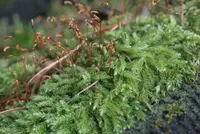
Press small tufts firmly onto rough stone, bark, or foam with tweezers and secure with a loose netting or biodegradable thread for 2–4 weeks so the rhizoids can attach without being dislodged by misting or air movement.

Shaded water flow

If using in a paludarium or stream setup, place the moss on gently sloped, shaded surfaces where water only trickles over it, since constant strong flow or splashing washes away new growth and weakens the colony.

Fragment propagation

To expand a colony, finely crumble healthy cushions with clean fingers or scissors and distribute the fragments thinly over fresh substrate so that each small piece has direct contact with a moist surface and access to light.

Algae and biofilm control

In high-humidity or paludarium setups, reduce algae and biofilm on the moss by slightly increasing water movement, shortening light duration, and wiping nearby hard surfaces regularly so the delicate shoots are not smothered.

Seasonal moisture adjustments

Outdoors, allow slightly longer drying intervals between misting in cool autumn and winter but keep surfaces just barely damp during warm spells, as this mimics its natural cycle and supports stable growth when caring for Seliger's herzogiella moss.

Common Pests and Diseases

Slime molds

This disease appears as gray, white, or brightly colored slimy patches that creep across the moss surface, often after prolonged wet, stagnant conditions. Symptoms include local dieback and a patchy, thinned cushion where the plasmodium has passed.

Solution

Gently remove affected surface material with tweezers or a soft brush, then improve air movement and reduce standing water while keeping the substrate evenly moist, not waterlogged. In outdoor or terrarium settings, thin dense growth, avoid heavy organic debris, and maintain good ventilation to limit slime mold development when caring for Seliger's herzogiella moss.

Algal overgrowth

This disease presents as a smooth, often bright green, slick layer covering the moss cushions, usually in very bright, wet, nutrient-rich conditions. Symptoms include reduced vigor, yellowing, and eventual smothering of the moss as algae outcompete it for light.

Solution

Manually remove algae films with a soft brush or by trimming the uppermost layer of affected moss, then reduce light intensity and limit fertilizer or nutrient-rich runoff. Increase gentle airflow and avoid constantly saturated surfaces to discourage algae regrowth while maintaining moderate moisture for the moss.

Fungus gnat larvae

This pest lives in constantly wet substrates rich in decaying organic matter, where the small white larvae feed on delicate rhizoids and young shoots. Symptoms include slow growth, thinning mats, and a fine, patchy dieback, often accompanied by clouds of tiny black adult gnats when disturbed.

Solution

Allow the substrate surface to dry slightly between waterings without letting the moss desiccate, and reduce excess organic debris that feeds larvae. Use yellow sticky traps to reduce adults and, if needed, apply a biological control such as Bacillus thuringiensis israelensis (Bti) in waterings according to label directions.

Springtail overpopulation

These insects usually act as decomposers but, in very dense colonies on constantly wet substrates, they can graze on tender new moss tissue and disturb fine cushions. Symptoms include frayed new growth tips and visible swarms of tiny jumping insects when the substrate is moved or watered.

Solution

Lower overall moisture slightly and increase airflow so the surface is moist but not saturated, which reduces springtail numbers naturally. Manually rinse colonies away with gentle water flows, remove excess decaying organic material, and, in closed terraria, briefly open or vent the container more often to re-balance the microfauna.

Interesting Facts

Bark-dwelling specialist

This moss most often grows on the bark of living trees such as birch and spruce in cool, humid forests, rather than on soil or rocks, making it a typical corticolous (bark-inhabiting) species.

Indicator of stable forests

Populations are usually found in relatively undisturbed, mature or semi-natural forests, so its presence can indicate long-term continuity of moist woodland habitat.

Wide but patchy range

The species occurs across temperate regions of Europe, parts of Asia, and North America, yet is often restricted locally to suitable, humid forest microhabitats, which makes it appear scattered even where it is native.

FAQs about Seliger's herzogiella moss

Growth is generally slow to moderate. In stable, moist, cool conditions, it may extend a few millimeters per year, forming small cushions or mats over time. Disturbance, drying, or heat noticeably reduces its expansion rate.

Grow Healthy Plants with Botan Care

Keep your plants happy and healthy with plant identification, disease detection, and easy care guidance.

Botan plant care app — identify plants on mobile

Explore More Plants