toothed plagiomnium moss Care (Plagiomnium cuspidatum)

Also known as: Woodsy Thyme-moss
toothed plagiomnium moss

About toothed plagiomnium moss

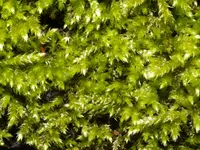
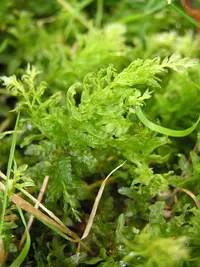
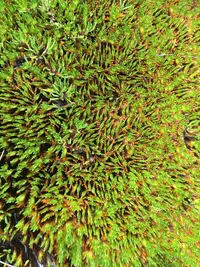
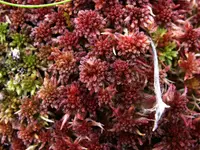
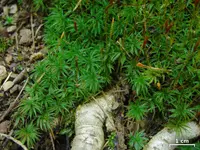
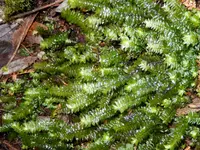
Toothed plagiomnium moss (Plagiomnium cuspidatum) is a low-growing, carpet-forming moss often used in terrariums, paludariums, and shaded garden areas. It forms dense, bright to medium green mats with small, toothed leaves arranged along creeping stems, giving a soft but structured look.

This species naturally occurs in moist, shaded forests, stream banks, and rocky outcrops across parts of North America and other temperate regions. It prefers consistently damp conditions, gentle airflow, and a stable, cool to mild environment.

Plagiomnium cuspidatum is generally considered moderate in difficulty because it dislikes drying out and strong sun. Those who learn how to care for toothed plagiomnium moss usually find it reliable and long-lived in stable, humid setups.

Main Plant Requirements

Care Difficulty

Moderate Care

Light Preference

Partial Shade

Water Requirements

Keep Soil Moist

Temperature Preference

Cold Hardy

Hardiness Zone

3–8

Soil Texture

Loamy, Silty, Organic-rich

Soil pH

Strongly acidic (4.5–5.5), Acidic (5.5–6.5)

Soil Drainage

Moist but well-drained

Fertilization

Minimal (feed rarely)

Get Personalized Care Plan

Scan your plant to receive care tips personalized for your specific plant

Available on iOS and Android

How to Care for the toothed plagiomnium moss

Plagiomnium cuspidatum prefers soft, indirect light that mimics a shaded forest floor.

  • Provide dappled or filtered light, such as beneath shrubs or trees, with about 2–4 hours of weak morning sun and bright shade for the rest of the day.
  • Protect toothed plagiomnium moss from strong midday or afternoon sun, which can scorch fronds, bleach color, and dry out the cushion quickly.
  • In summer, increase shade as the sun intensifies; in winter, allow more open exposure to capture low-angle light while still avoiding harsh direct rays.

Plagiomnium cuspidatum performs best in consistently moist conditions without stagnant water.

  • Aim for constantly damp substrate; the surface should feel moist but not soupy, and never allow the top layer to turn fully dry or crusty.
  • Increase watering during warm, windy, or low-humidity periods, using a gentle shower or mist to rehydrate without dislodging the moss carpet.
  • Reduce watering slightly in cool seasons while preventing complete drying; watch for curling, dull fronds as a sign of underwatering and a sour smell or slimy patches as signs of overwatering.

This moss prefers cool to mild temperatures and tolerates cold better than heat.

  • Optimal growth occurs around 55–70°F (13–21°C), especially in shaded, moist microclimates with stable moisture and airflow.
  • It can withstand short dips close to 20°F (-6°C) under snow or leaf litter but suffers if repeatedly exposed to bare, freezing, drying winds.
  • Heat above 80°F (27°C), especially with full sun, stresses the plant; provide deeper shade and higher humidity during hot spells to limit desiccation.

This moss prefers consistently moist air and benefits from elevated humidity.

  • Aim for 60–80% humidity; use a terrarium, covered tray, or humid corner to keep air moist around toothed plagiomnium moss.
  • Tolerates brief dips to 40–50% humidity if the substrate never dries fully.
  • Crisping leaf tips, dull color, and slowed growth indicate air is too dry.
  • Increase humidity by clustering containers, using a shallow water tray with pebbles, or lightly misting without soaking.

Plagiomnium cuspidatum grows best in a moist, airy, organic-rich substrate that never becomes waterlogged.

  • Use a fine-textured mix of 50–70% peat or coco coir with leaf mold or compost plus 20–30% perlite or pumice for structure.
  • Maintain constant light moisture so the mix feels damp but not squishy when pressed.
  • Provide gentle drainage; pots should release excess water, but the mix should retain enough moisture to stay evenly damp.
  • Keep pH slightly acidic to neutral, around 5.5–7.0, and avoid dense clay, heavily fertilized mixes, or barky substrates that dry in patches.

This species adapts well to container culture, especially in shallow dishes or terrariums.

  • Choose a wide, shallow container to match its spreading habit and to keep the moss layer evenly moist without deep, soggy pockets.
  • Select non-porous materials like glazed ceramic or plastic when longer moisture retention is needed, especially in dry homes.
  • Raise the moss on a slightly domed substrate surface so excess water drains to the edges instead of pooling around the rhizoids.

Plagiomnium cuspidatum is a low-nutrient moss that needs only light feeding in culture.

  • Use a very dilute balanced liquid fertilizer (around 1/8–1/4 strength, such as 10-10-10) or a trace of slow-release granules kept away from direct contact with moss cushions.
  • Apply during the active growing season every 4–6 weeks if growth appears pale or weak, not on a fixed calendar.
  • Skip feeding in winter or dormancy and whenever moss is stressed, recently divided, or drying out.
  • For caring for toothed plagiomnium moss in terrariums, rely mainly on nutrient-poor, compost-free substrates and clean, low-mineral water.

Plagiomnium cuspidatum benefits from light grooming rather than true pruning.

  • Trim discolored, dead, or damaged shoots at their base with small scissors or fine snips to maintain a compact mat.
  • Thin crowded tufts lightly in spring or early summer to improve air flow and limit fungal issues.
  • Shape edges by cutting back overgrown margins in small sections, avoiding scalping down to bare substrate.
  • Clean tools before use to reduce the risk of spreading fungi or algae between containers or patches.

This moss is usually transplanted rather than repotted, and it dislikes frequent disturbance.

  • Transplant when mats detach easily, growth becomes patchy, or the substrate compacts and drains poorly, rather than waiting for roots to circle a pot.
  • Choose mild weather in spring or early fall, or stable indoor conditions, for moving clumps to reduce shock.
  • Lift thin sheets or small plugs with a spatula, keeping as much underlying substrate attached as possible.
  • Press moss gently onto fresh, moist, acidic to neutral substrate, then keep humidity high and light moderate until growth re-anchors.

Plagiomnium cuspidatum is most often propagated by division of existing mats.

  • Divide healthy, well-hydrated cushions in spring or early summer into small plugs, each with stems and attached substrate.
  • Lay divisions on fresh, consistently moist but not waterlogged medium under bright, indirect light.
  • Mist lightly to maintain high humidity while avoiding constant dripping on the moss surface.
  • Spore propagation is possible on sterile, fine media but is slow and mainly used by specialists seeking genetic diversity.

Plagiomnium cuspidatum is cold hardy outdoors in many regions and usually needs minimal winter care.

  • In the ground, a natural leaf litter layer acts as light mulch, moderating temperature swings and retaining moisture.
  • Container-grown moss can stay outside in mild climates, but move it to a sheltered, frost-free spot in very harsh winters.
  • Keep substrate slightly moist, not saturated; frozen, waterlogged media can damage rhizoids and supporting roots of companion plants.

Care Tips

Shallow Substrate Layer

Use only a 1–2 cm layer of fine, clean substrate over a firm base so rhizoids can anchor firmly while excess water drains away instead of pooling around the moss.

Stone And Wood Mounts

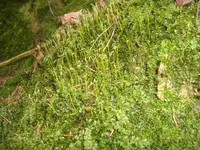
Press small clumps onto rough stones or hardwood pieces and secure gently with biodegradable mesh or cotton thread for 4–6 weeks until they self-attach, then remove the supports.

Fragment Propagation

To thicken a patch, finely chop healthy shoots with scissors, scatter the fragments onto a moist surface, and mist lightly so they settle into contact without being washed away.

Leaf-Litter Screening

In outdoor or open terrarium setups, place a loose mesh screen or perforated cover a few centimeters above the moss to intercept falling debris while still allowing air movement and light penetration.

Targeted Algae Control

If algae develops on the colony, increase air movement, shorten any artificial light period slightly, and gently blot the moss surface with absorbent paper to remove surface moisture films without disturbing the plants, which is especially effective when caring for toothed plagiomnium moss.

Common Pests and Diseases

Fungus gnat larvae

This pest lives in constantly wet, organic substrates and chews on moss rhizoids and young shoots, causing thinning patches and slow decline. Symptoms include soft, weakened cushions and tiny black adult gnats flying when the substrate is disturbed.

Solution

Reduce saturation by allowing the surface to drain and avoiding standing water, then flush the moss gently with clean, dechlorinated water to remove some larvae. Use yellow sticky traps for adults and, if needed, apply a biological control such as Bacillus thuringiensis israelensis (Bti) in the irrigation water according to label directions.

Slugs and snails

These pests feed on tender moss tissues during humid, low-light periods, leaving torn, grazed patches and slime trails on and around the colonies. Symptoms include uneven bare spots and ragged edges in what was previously a uniform carpet.

Solution

Hand-pick slugs and snails in the evening or early morning and reduce nearby hiding places such as dense debris, boards, or stacked pots. In outdoor or terrarium setups, use copper tape barriers or iron phosphate bait placed away from the moss surface, and maintain moderate air movement so the surface does not stay excessively wet for long periods.

Green algal overgrowth

This disease-like condition occurs when filamentous or film-forming algae colonize the moss surface under high light, high nutrients, and stagnant moisture. Symptoms include a slick, bright-green layer that smothers individual moss shoots and reduces their vigor.

Solution

Reduce nutrient input by avoiding fertilizer splash and using low-nutrient, clean water, then increase gentle air movement and slightly lower light intensity or duration. Manually lift and rinse affected cushions in clean water, and physically remove heavily smothered sections so healthy moss can recolonize the space, an approach consistent with careful Plagiomnium cuspidatum care.

Filamentous mold

This disease appears as white, gray, or pale fungal threads on decaying organic matter within dense moss carpets, especially in closed, poorly ventilated environments. Symptoms include musty odor, localized dieback, and visible fuzzy growth between stems.

Solution

Improve ventilation and reduce enclosure humidity slightly by increasing air exchange and avoiding waterlogged conditions, then remove any decaying leaves, wood, or substrate pieces from the moss surface. Rinse affected patches gently with clean water and, if needed, thin overly dense areas so they dry more evenly between misting or watering.

Mite damage

These insects are tiny arachnids that can graze on moss cells or associated microorganisms under very dry or stressed conditions, causing a dull, dusty appearance and fine stippling on the shoots. Symptoms include patchy discoloration and slow, uneven regrowth in affected areas.

Solution

Increase ambient humidity to a stable, moderate level and avoid letting the moss surface dry out completely, then rinse the colonies with a gentle stream of water to dislodge mites. For persistent infestations, introduce predatory mites suited to humid environments or use a mild, moss-safe insecticidal soap spray applied very lightly and then rinsed after a short contact time.

Interesting Facts

Distinctive leaf teeth

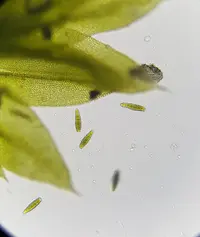
This moss has broad, tongue-shaped leaves with sharply pointed marginal teeth, which help distinguish it from many other sheet-forming mosses that have smooth or only faintly toothed leaf edges.

Creeping carpet growth

It forms low, bright-green carpets from creeping, unbranched stems that root at the nodes, stabilizing moist soil and shaded rock surfaces in forests and along streams.

Indicator of moist forests

Its frequent presence on humus-rich, seasonally wet but not waterlogged substrates makes it a useful indicator of stable, cool, and relatively undisturbed woodland microhabitats in much of eastern North America.

Botan icon

Did you know?

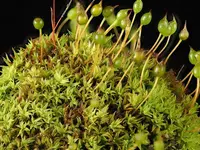
This species shows clear differentiation between its creeping, sterile shoots and its upright, spore-bearing shoots, a growth pattern that bryologists use as a diagnostic character when identifying members of the genus Plagiomnium in the field.

FAQs about toothed plagiomnium moss

This species spreads steadily by creeping stems and fragmentation but is not usually aggressive. It forms dense patches where conditions stay moist and cool, yet surrounding plants are rarely overwhelmed if light, water, and disturbance are balanced.

Grow Healthy Plants with Botan Care

Keep your plants happy and healthy with plant identification, disease detection, and easy care guidance.

Botan plant care app — identify plants on mobile

Explore More Plants