Heterotextus miltinus Care

Heterotextus miltinus

About Heterotextus miltinus

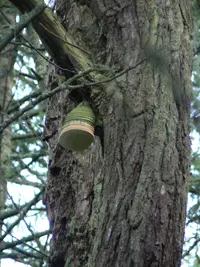
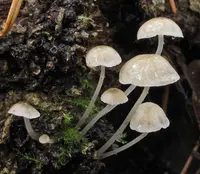
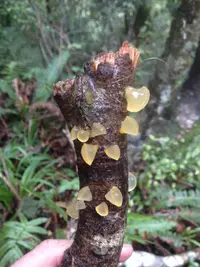
Heterotextus miltinus is a small, cup-shaped ascomycete fungus, often called a jelly or cup fungus, rather than a traditional leafy plant. It forms bright orange to reddish, shallow cups on decaying wood or forest debris, usually in moist, shaded habitats.

This species occurs in parts of Asia and the Pacific region, where it appears seasonally after rains and helps break down dead organic matter. It is mainly of interest to fungal enthusiasts, and how to care for Heterotextus miltinus is rarely discussed, since it is not commonly cultivated. In theory, it would need consistently damp conditions, decaying wood, and good air movement to persist.

Main Plant Requirements

Care Difficulty

Moderate Care

Light Preference

Partial Shade

Water Requirements

Moderate Water

Temperature Preference

Warm Climate

Hardiness Zone

Unknown

Soil Texture

Loamy

Soil pH

Slightly acidic (6.5–7.0)

Soil Drainage

Well-drained

Fertilization

Minimal (feed rarely)

Get Personalized Care Plan

Scan your plant to receive care tips personalized for your specific plant

Available on iOS and Android

How to Care for the Heterotextus miltinus

This fungus prefers bright, soft forest light rather than harsh, open sun.

  • Provide dappled or filtered light equivalent to 2–4 hours of weak morning sun; avoid direct midday or afternoon sun that can scorch fruiting bodies and dry the substrate too quickly.
  • Allow partial shade or full shade under shrubs, trees, or on the north side of structures, which better mimics natural woodland conditions for Heterotextus miltinus.
  • In summer, increase shading during heat waves; in cooler months, slightly thinner canopy cover or lighter mulch can help maintain enough light while keeping the substrate evenly moist.

Moist but not waterlogged substrate is essential for reliable fruiting.

  • Aim for consistently damp leaf litter or decaying wood; the top 2–3 cm should feel moist but not soggy when pinched between fingers.
  • Increase watering or misting during dry, hot periods so the substrate does not fully dry out; reduce added moisture in cool, wet seasons to avoid standing water and anaerobic conditions.
  • Watch for sour or rotten odors and slimy growth as signs of overwatering, and for brittle, shrinking fruiting bodies and cracked substrate as signs of underwatering in Heterotextus miltinus habitats.

This species thrives in mild, consistently cool to warm conditions typical of sheltered forest floors.

  • Maintain an active growth range around 60–77°F (16–25°C), where mycelium and fruiting are usually most stable.
  • Protect from cold below about 40°F (4°C), since repeated exposure near freezing or frost can damage fruiting bodies and slow or halt mycelial activity.
  • Limit exposure to heat above 86°F (30°C); during hot, dry spells, extra shading and moisture help prevent overheating and desiccation of the substrate through seasonal fluctuations.

This fungus prefers moderately moist air but tolerates typical indoor humidity if the substrate stays evenly damp.

  • Maintain 50–70% air humidity around Heterotextus miltinus, especially in heated or air-conditioned rooms.
  • Watch for dried, pale, or cracked fruiting bodies as signs of low humidity stress.
  • Increase humidity locally with a nearby open tray of water, grouped plants, or a small humidifier rather than misting directly.

This species needs a loose, aerated, organic-based substrate that drains quickly yet holds steady moisture.

  • Use a mix such as 50–60% fine composted organic matter with 20–30% perlite and 10–20% fine bark or coco coir to keep structure open.
  • Aim for slightly acidic to neutral conditions, roughly pH 6.0–7.0, avoiding strongly alkaline substrates that can slow growth.
  • Ensure rapid drainage so water does not pool; excess free water around the base encourages anaerobic conditions and decay of the mycelium.
  • Avoid dense garden soil, heavy clay, or peat-only mixes, which compact easily and restrict air movement through the substrate.

This species can be grown in containers when moisture and airflow in the substrate are carefully managed.

  • Choose a wide, shallow container to encourage lateral spread of the substrate-colonizing mycelium rather than deep rooting space.
  • Select a rigid pot material that does not flex, helping the substrate stay evenly packed while still allowing gas exchange at the surface.
  • Elevate the container on small feet or a slatted stand so drainage holes stay clear and air can move under the base after watering.

This terrestrial fungus benefits only from very light feeding when grown in controlled or indoor culture.

  • Use a mild, balanced NPK liquid fertilizer at 1/4 strength for Heterotextus miltinus grown in pots or on sterile substrate.
  • Apply during active growth in spring–summer every 4–6 weeks, never at every watering.
  • Avoid feeding in late fall and winter when growth slows or fruiting bodies are absent.
  • Do not fertilize directly on the fungus; apply to the growing medium and flush occasionally with plain water.

Pruning is generally unnecessary because this fungus produces short-lived fruiting bodies that decompose naturally.

Transplanting is only relevant when Heterotextus miltinus is maintained in culture or in a designed substrate setup.

  • Consider moving to fresh substrate if growth slows, contamination appears, or the medium is fully colonized.
  • Time any transfer for stable mild conditions, typically spring or early fall, to reduce environmental stress.
  • Shift to a clean container with fresh, well-draining organic medium, keeping the mycelium block intact.
  • Handle gently, minimize exposure to direct sun and drafts, and maintain consistent moisture after transfer.

Propagation focuses on maintaining and spreading the mycelium rather than the short-lived fruiting bodies.

  • Use clean mycelium pieces or tissue culture from healthy specimens as the primary propagation method.
  • Carry out transfers in late winter to early spring under stable 60–70°F conditions with moderate humidity.
  • Place mycelium into fresh, pasteurized or sterile, well-draining organic substrate for best colonization.
  • Limit handling, work with disinfected tools, and avoid overwatering to prevent bacterial or fungal contamination.

Outdoor populations are generally hardy in mild climates and usually need no targeted winter care.

  • In colder regions, maintain a stable leaf-litter or mulch layer 3–5 cm thick over the colonized soil.
  • Avoid disturbing the substrate during freezing periods so the mycelium remains insulated and stable.
  • If grown in containers, move cultures to a frost-free, cool, shaded area and keep the medium just lightly moist.

Care Tips

Use breathable containers

Grow this fungus in low, wide, well-ventilated trays or baskets lined with a coarse mesh so air can move freely around the substrate and reduce the risk of bacterial rot.

Rotate culture trays

Quarter-turn the trays every few days so developing fruiting bodies receive even airflow and light, which encourages uniform shape and reduces leaning or crowding against tray edges.

Control surface crowding

If clusters start to form too densely, gently thin or space small primordia with sterilized tweezers so remaining fruiting bodies have enough room to expand without deforming or trapping moisture between caps.

Refresh casing layer

After a flush, scrape off any visibly spent or slimy surface material and apply a thin, clean casing layer of moist, pasteurized medium to support new fruiting cycles when growing Heterotextus miltinus.

Targeted hygiene checks

Inspect the culture surface and tray edges weekly with a hand lens, immediately removing any discolored, fuzzy, or foul-smelling patches and wiping edges with 70% isopropyl alcohol to prevent contaminant spread.

Common Pests and Diseases

Fungus gnat larvae

This pest targets the moist, organic substrate in which Heterotextus miltinus is cultivated, and the larvae can damage fine mycelial strands that support fruiting. Symptoms include slow or reduced fruit body development and visible tiny black gnats flying near the substrate surface.

Solution

Reduce excess moisture at the substrate surface, improve air circulation, and allow the top layer to dry slightly between misting to interrupt the life cycle. Use yellow sticky traps to capture adults and, if needed, apply a biological control such as Bacillus thuringiensis israelensis (BTI) as a drench targeted at larvae without harming the fungus.

Mite infestation

These insects are actually tiny arachnids that feed on fungal tissues, scarring young fruit bodies and sometimes tunneling into the hymenium or cap surface. Symptoms include rough, pitted, or discolored spots and very small moving dots visible with a hand lens.

Solution

Lower mite pressure by keeping the growing area clean, quickly removing old or decaying fruit bodies, and avoiding contact with infested substrates or plants. If colonies establish, isolate the affected culture, reduce excessive humidity, and use targeted controls such as predatory mites or a light spray of food-safe mineral oil on non-fruiting surfaces, avoiding direct contact with fresh fruit bodies.

Green Trichoderma mold

This disease is caused by Trichoderma species that aggressively colonize the same substrate, outcompeting the mycelium and suppressing normal fruiting. Symptoms include dense white patches that rapidly turn bright green and may emit a strong earthy or musty odor.

Solution

Immediately remove and discard heavily contaminated substrate blocks or trays, as recovery is rare. For mild contamination, cut away affected sections, lower humidity slightly, increase fresh air exchange, and sanitize the growing area between batches to prevent spores from carrying over, which is essential for reliable Heterotextus miltinus care instructions.

Bacterial blotch

This disease develops on wet fruit surfaces when free water remains on the cups for extended periods, especially under poor air circulation. Symptoms include greasy, water-soaked spots that may turn yellow-brown and soften, making fruit bodies unattractive or unusable.

Solution

Manage blotch by avoiding overhead spraying directly on fruit bodies, instead humidifying the air and substrate around them. Increase gentle air movement to dry excess surface water, promptly remove affected fruit, and disinfect tools and trays between cycles to reduce bacterial load.

Interesting Facts

Bright coral coloration

This fungus is notable for its vivid orange to coral-red fruiting bodies, which are caused by carotenoid pigments similar to those found in many plants and algae.

Tropical Asia specialist

The species is most frequently recorded from humid tropical and subtropical forests in East and Southeast Asia, often fruiting on decaying wood or plant debris after periods of sustained moisture.

Cup-like fruiting bodies

It produces small, cup- to disc-shaped structures with a smooth inner surface and often slightly roughened outer surface, a typical form for many members of the family Sarcoscyphaceae.

FAQs about Heterotextus miltinus

This fungus produces small, cup- to disc-shaped fruiting bodies, usually appearing in damp seasons when humidity and substrate moisture are high. Colors range from pale to more vivid tones, often forming scattered or clustered patches on decaying material.

Grow Healthy Plants with Botan Care

Keep your plants happy and healthy with plant identification, disease detection, and easy care guidance.

Botan plant care app — identify plants on mobile

Explore More Plants