

Cutback for Vigor
Shear plants back by about one-third immediately after the main flowering flush to encourage dense new growth and a lighter repeat bloom rather than letting stems sprawl and exhaust the plant.

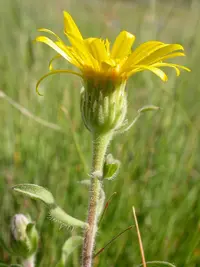
Hairy false goldenaster (Heterotheca villosa) is a hardy perennial wildflower in the aster family, valued for its resilience and long bloom season. It forms low, bushy clumps with gray-green, softly hairy foliage and bright yellow, daisy-like flower heads.
This species is native to dry prairies, open slopes, and roadsides across much of western and central North America. Its tolerance of drought, poor soils, and wind makes it suitable for low-maintenance gardens and naturalistic plantings.
Gardeners who care for hairy false goldenaster usually find it easy to establish in sunny, well-drained sites with moderate to low moisture once rooted.

Care Difficulty
Easy Care

Light Preference
Full Sun

Water Requirements
Low Water

Temperature Preference
Cold Hardy

Hardiness Zone
3–8

Soil Texture
Sandy, Loamy, Rocky

Soil pH
Slightly acidic (6.5–7.0), Neutral (7.0)

Soil Drainage
Well-drained

Fertilization
Minimal (feed rarely)
Scan your plant to receive care tips personalized for your specific plant
Available on iOS and Android
This sun-loving prairie perennial performs best in open, bright conditions outdoors.
This drought-adapted species prefers infrequent, deep watering in fast-draining soil.
This hardy North American perennial tolerates a wide temperature range once established.
This species is adapted to dry climates and rarely needs humidity adjustment indoors or outdoors.
This species prefers lean, fast-draining soil that mimics dry, rocky habitats.
This species can grow in containers if the pot and medium stay sharply drained.
This drought-tolerant native generally needs minimal feeding, especially in lean garden soils.
Pruning Heterotheca villosa is mainly used to maintain a compact form and support flowering.
This species is usually grown in the ground, so care focuses on transplanting rather than frequent repotting.
Heterotheca villosa is commonly propagated by seed and division, which suit its clumping habit.
This cold-hardy perennial generally needs minimal winter care in most temperate climates.

Plant Health Check
Not sure what's wrong with your plant? Check your plant's health inside the app.
The leaves and stems are densely covered with long hairs that trap air and reduce water loss, an adaptation that helps the plant tolerate dry, exposed sites in prairies and badlands.
This species grows naturally in sandy, gravelly, and even disturbed roadside soils, which makes Heterotheca villosa care instructions useful for erosion control and low-input restoration plantings in its native range.
It flowers from mid to late summer into early fall, providing nectar and pollen for native bees and butterflies when many other prairie plants are already past peak bloom.

Some populations of this species exhibit notable morphological variation, forming low, mat-like cushions in high-elevation or windswept habitats and taller, more upright forms on lower, richer sites, which has led botanists to describe multiple varieties within the species.
This species is highly attractive to native bees, small wasps, and many butterflies, especially in late summer and fall. Its long-lasting yellow blooms provide abundant nectar and pollen when many other wildflowers have finished.
Keep your plants happy and healthy with plant identification, disease detection, and easy care guidance.

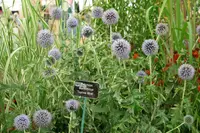
Blue Globe-thistle
Echinops bannaticus
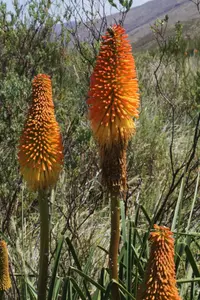
Red hot pokers
Kniphofia uvaria
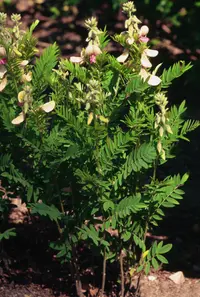
Virginia tephrosia
Tephrosia virginiana
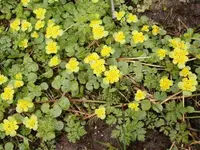
Alternate-leaved Golden-saxifrage
Chrysosplenium alternifolium
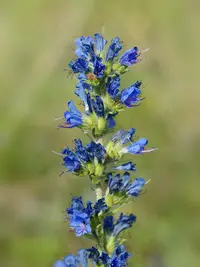
viper's bugloss
Echium vulgare
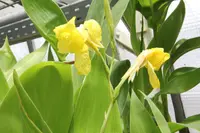
Bandanna-of-the-Everglades
Canna flaccida
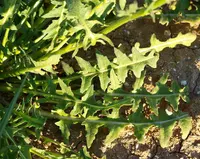
Dichasianthus runcinatus
Dichasianthus runcinatus
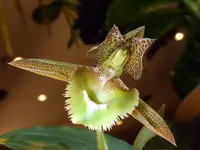
fringed catasetum
Catasetum fimbriatum